
Escorted Small Group Mobile & Lodge Safari Sept 2026 - 13 nights
(with Shareen Nash)

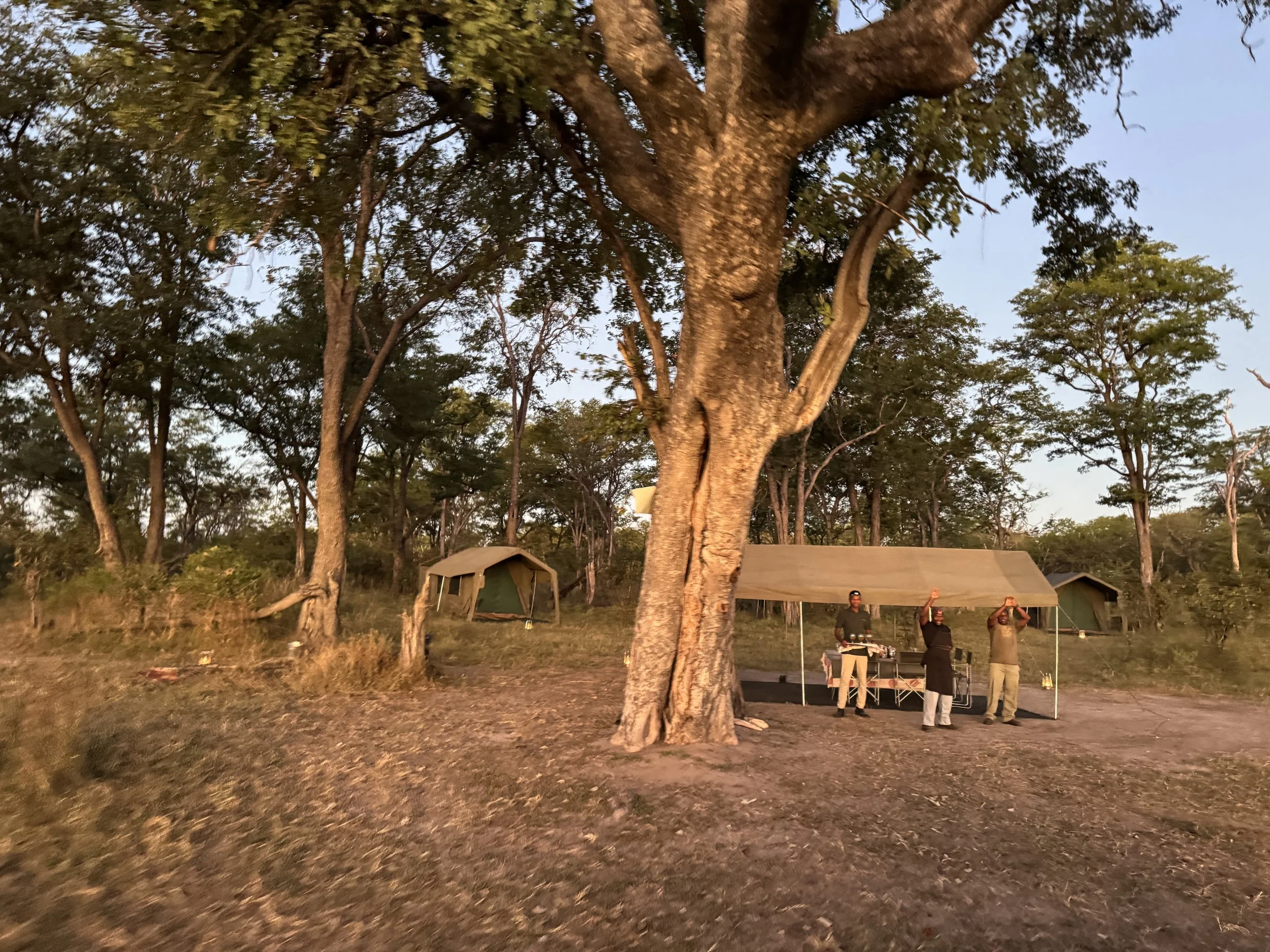
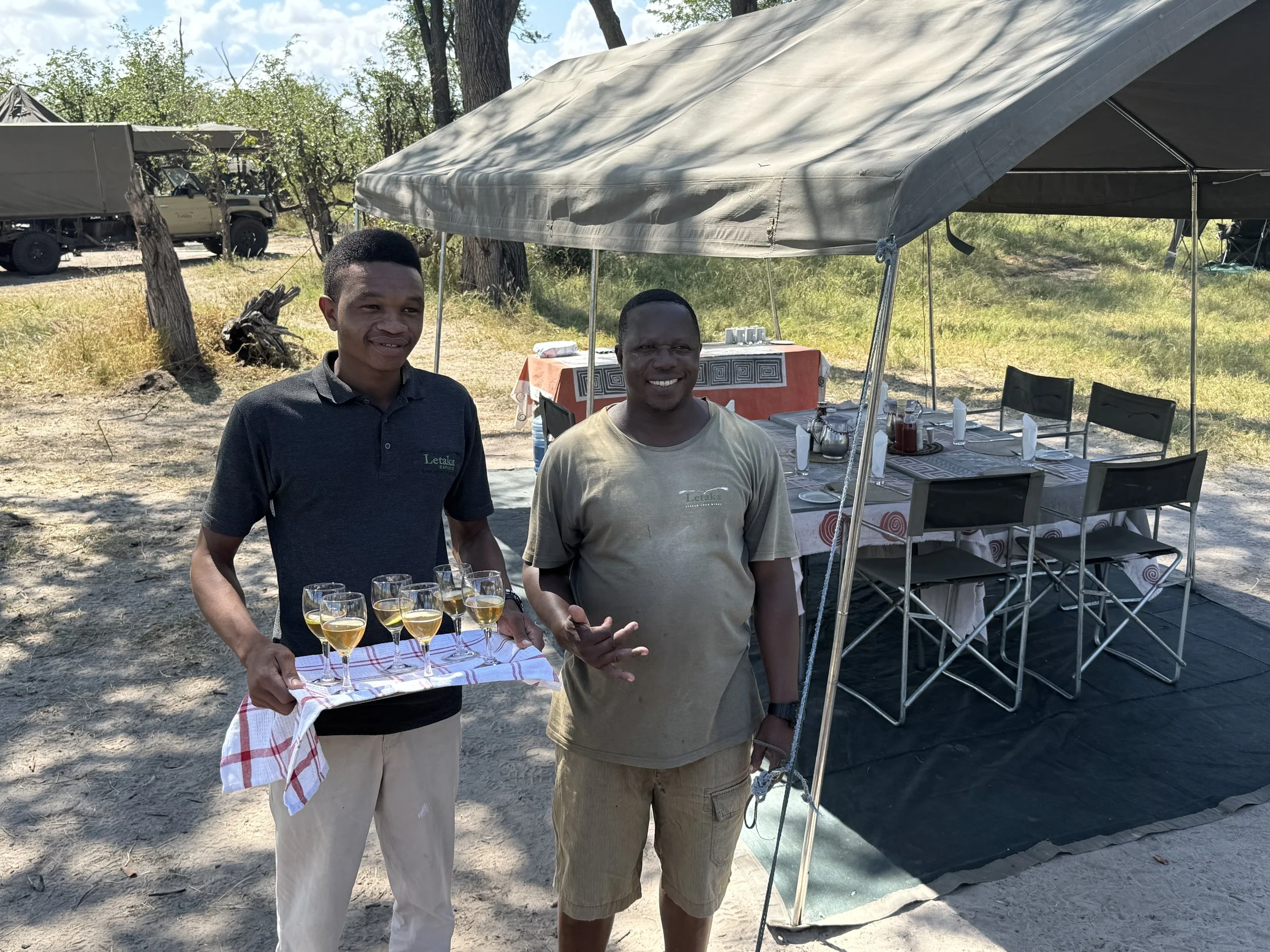
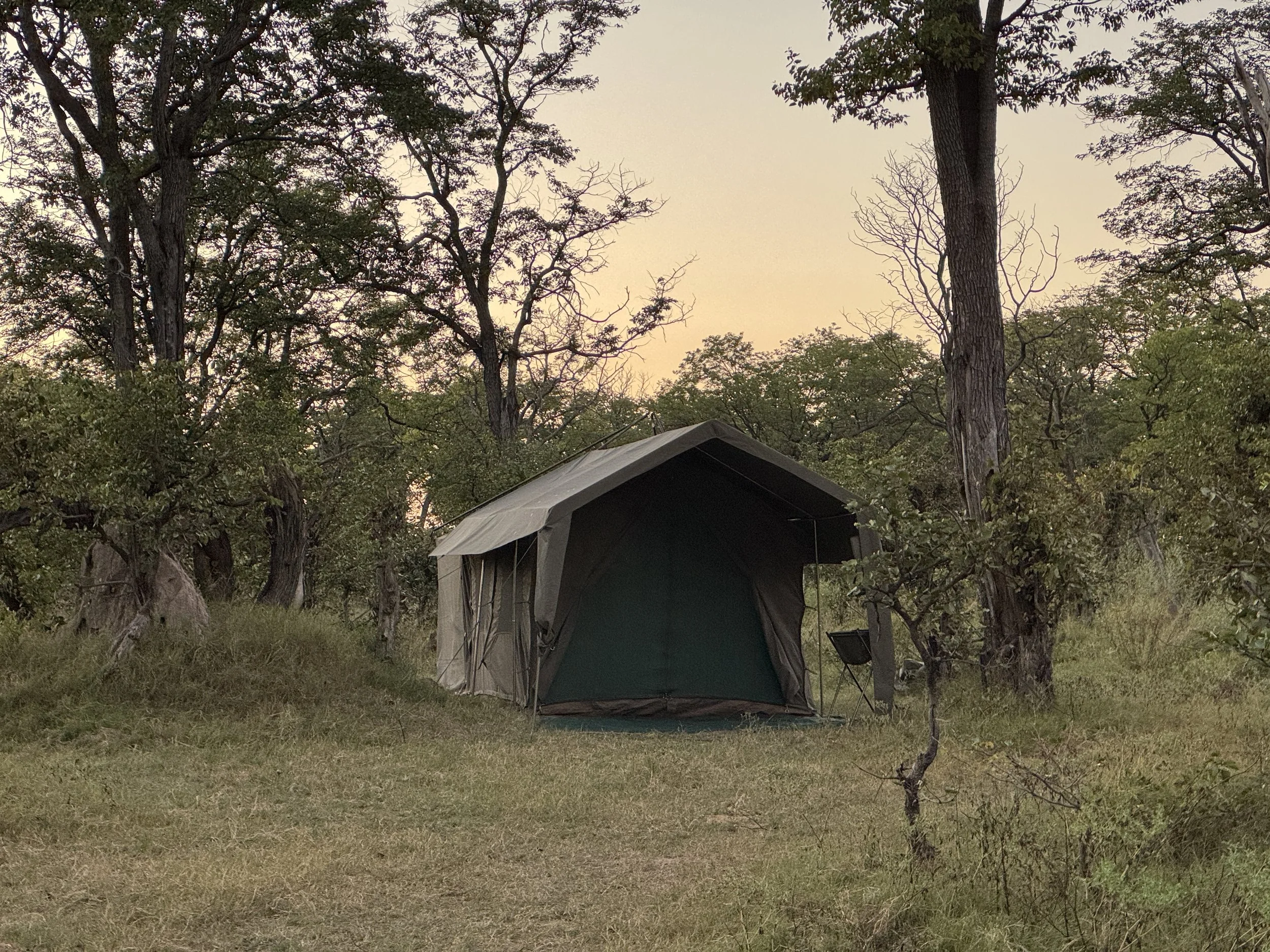
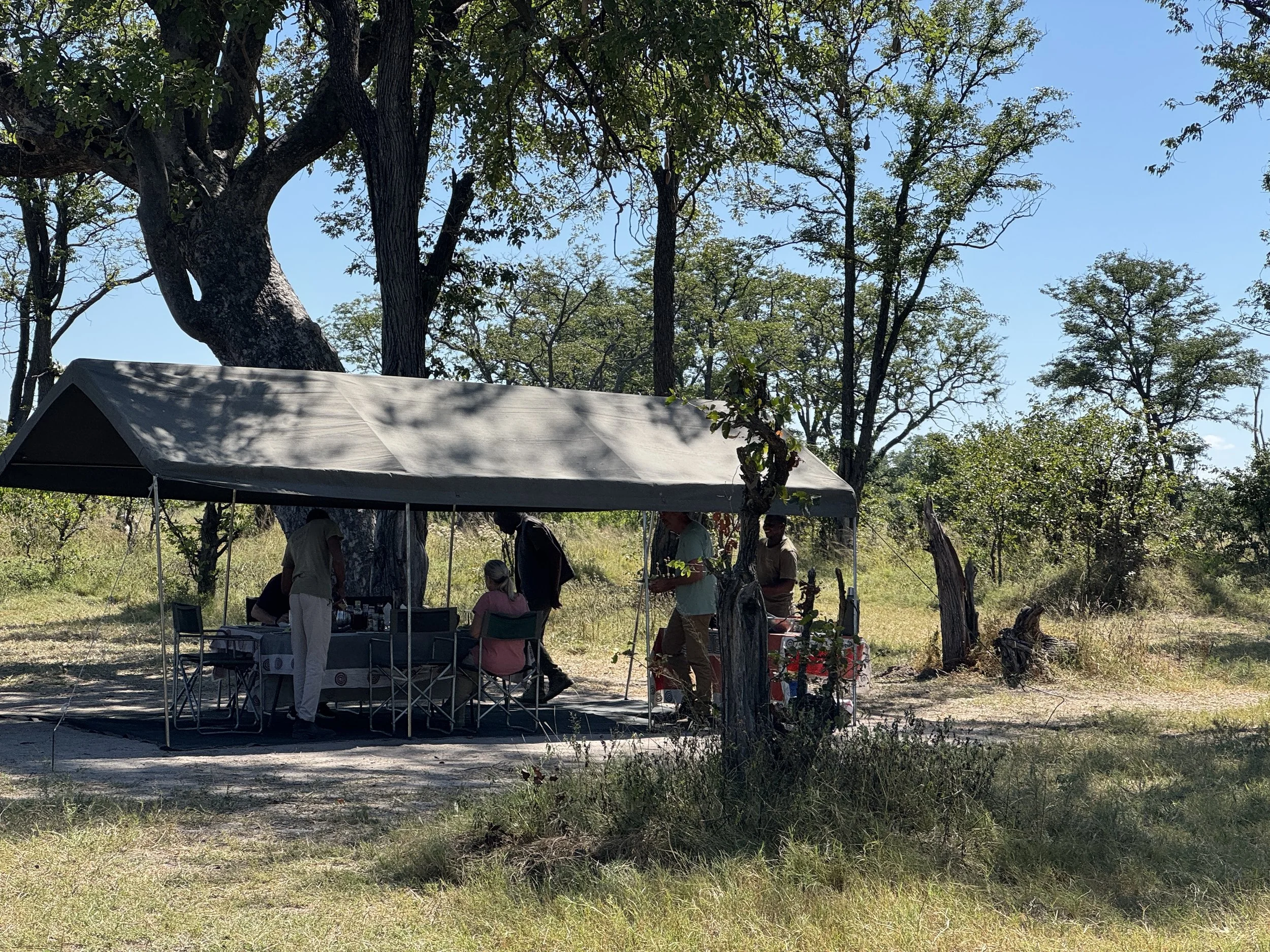
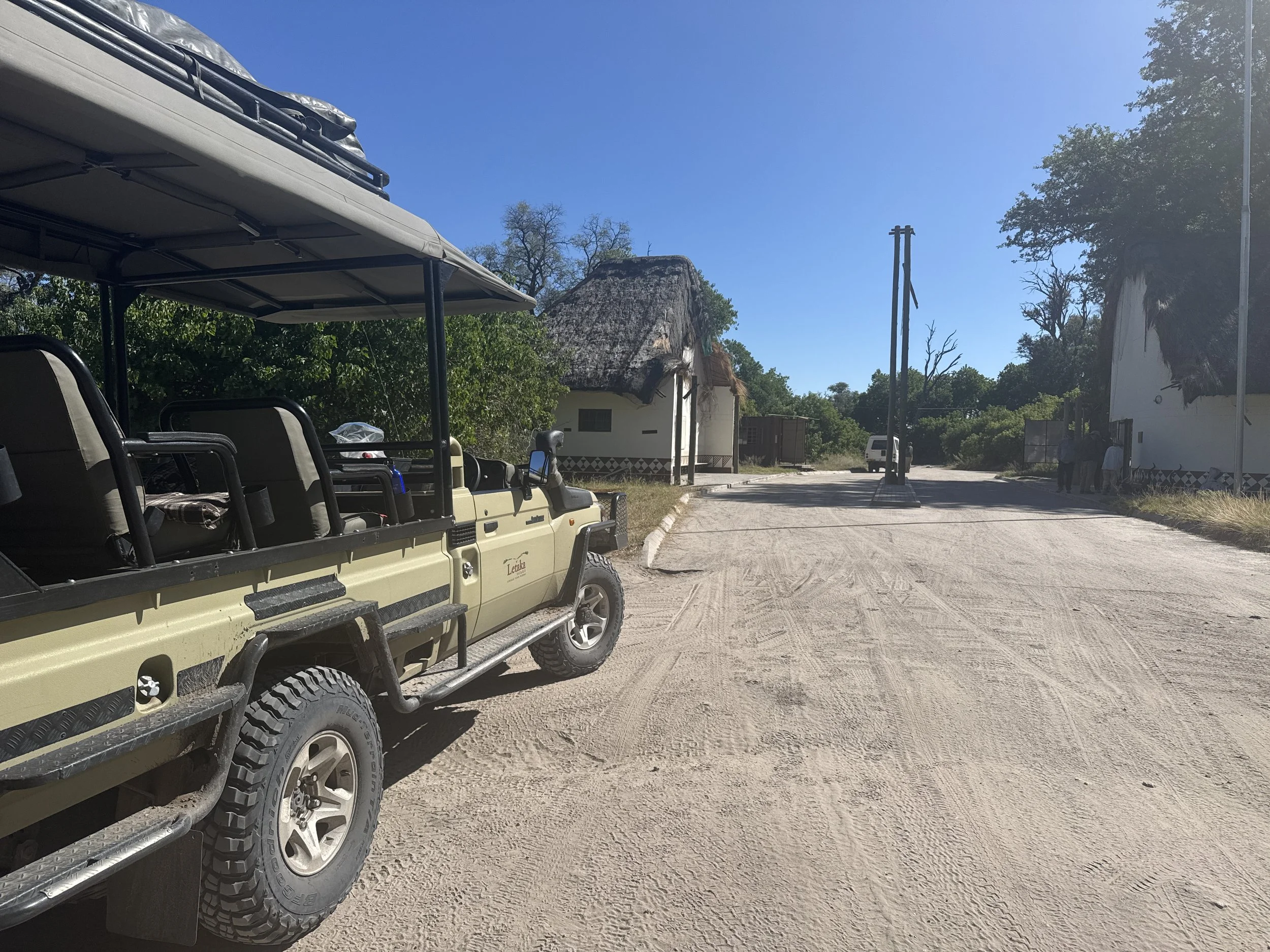
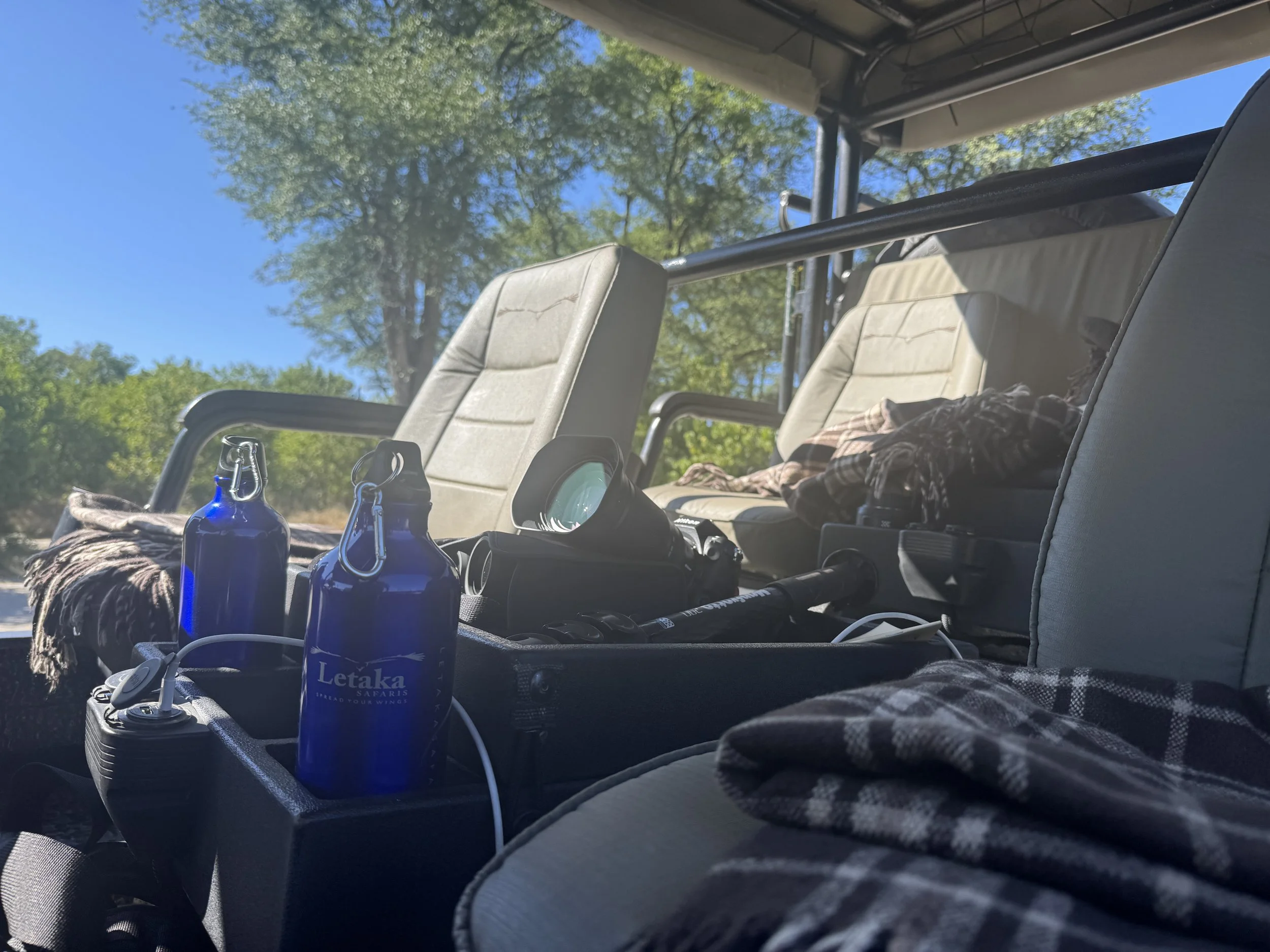
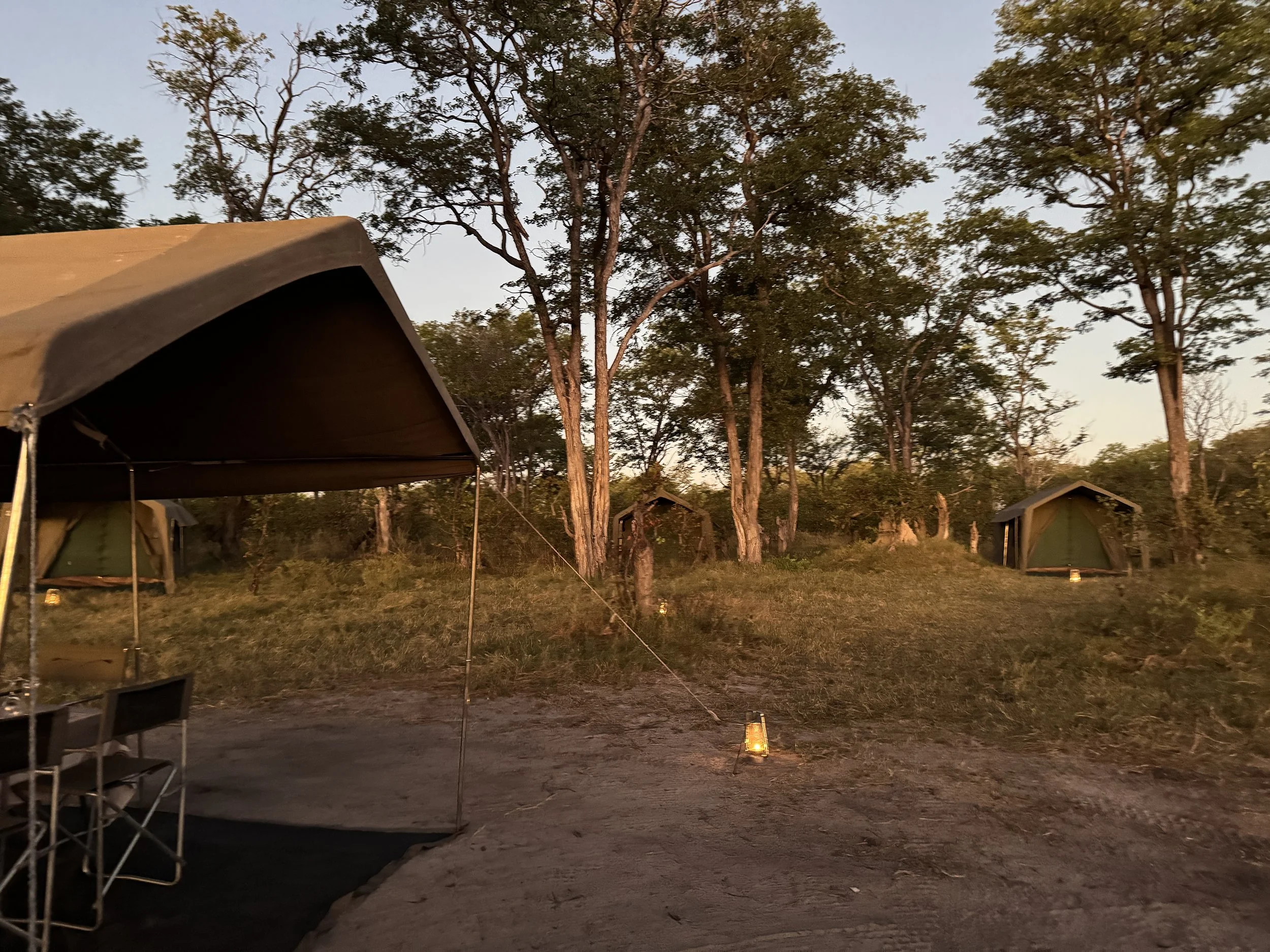
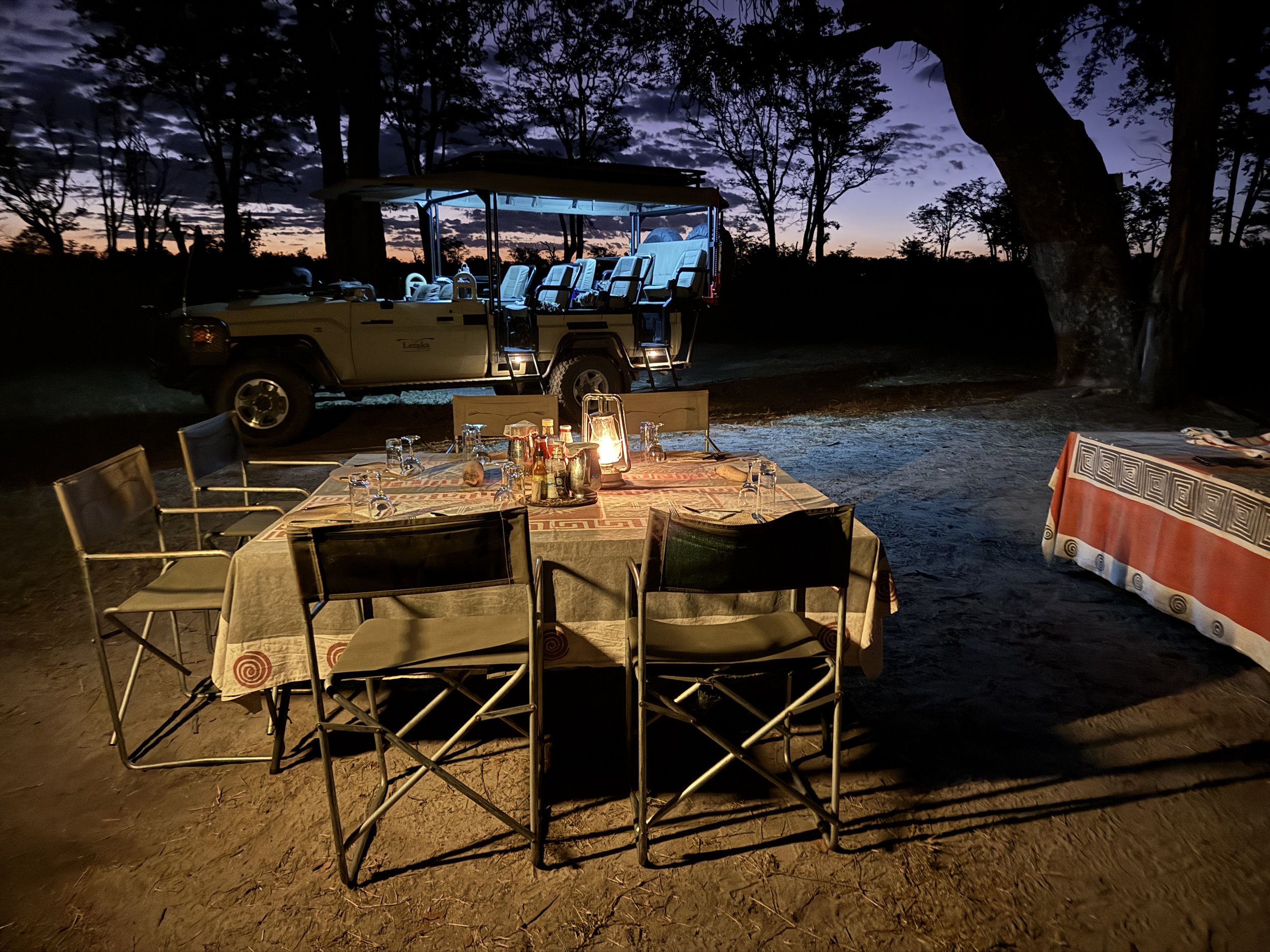
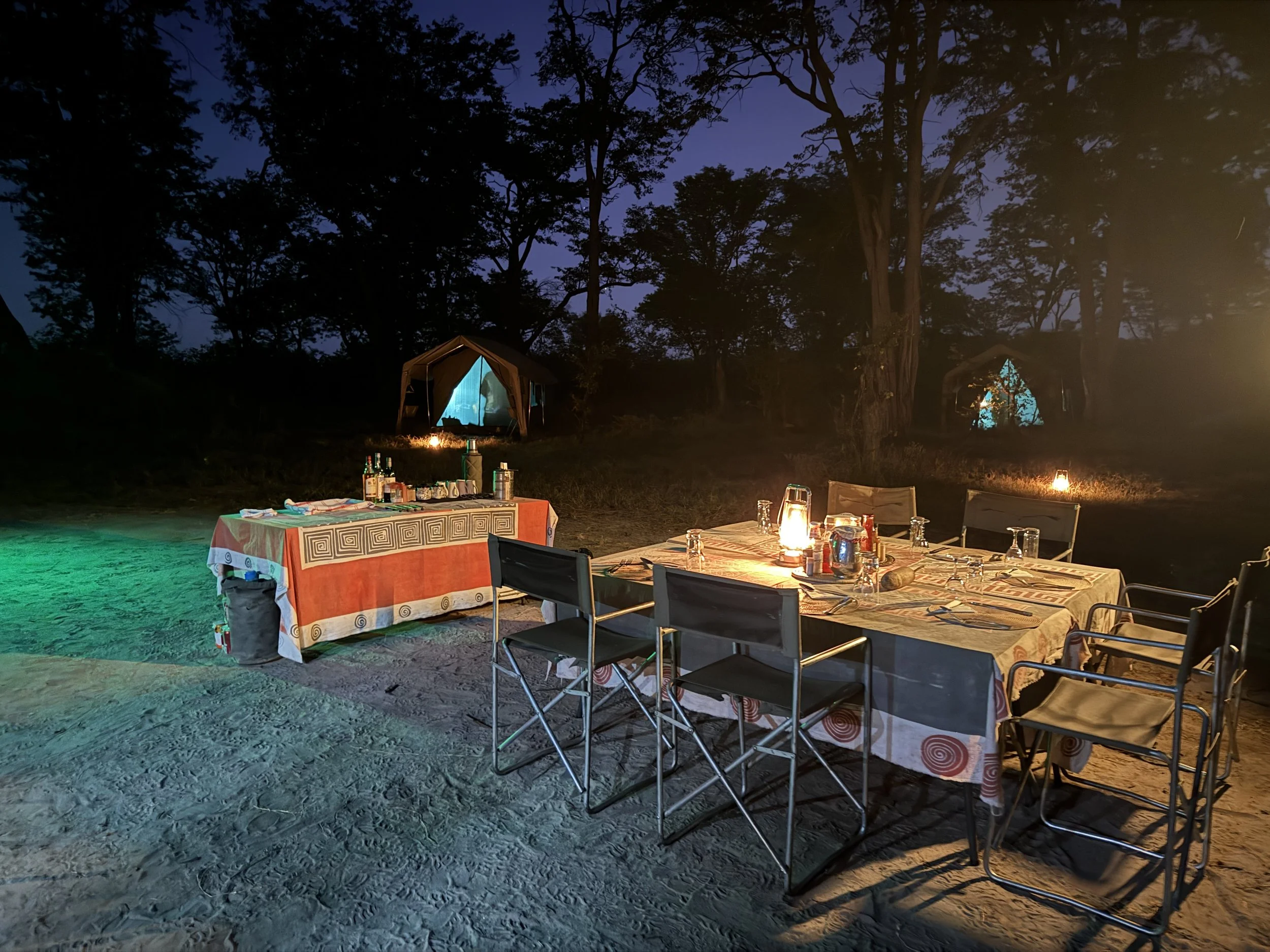
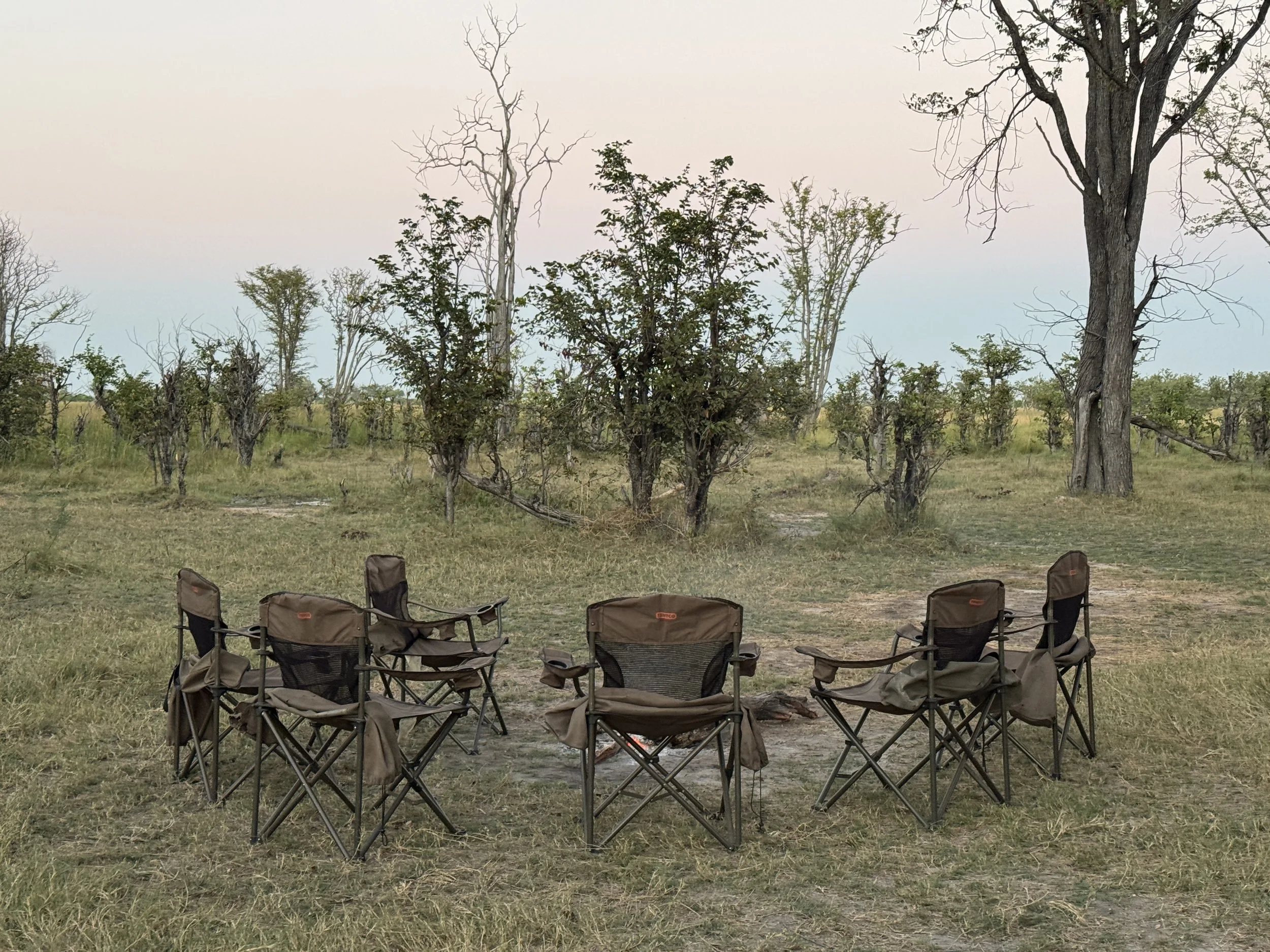
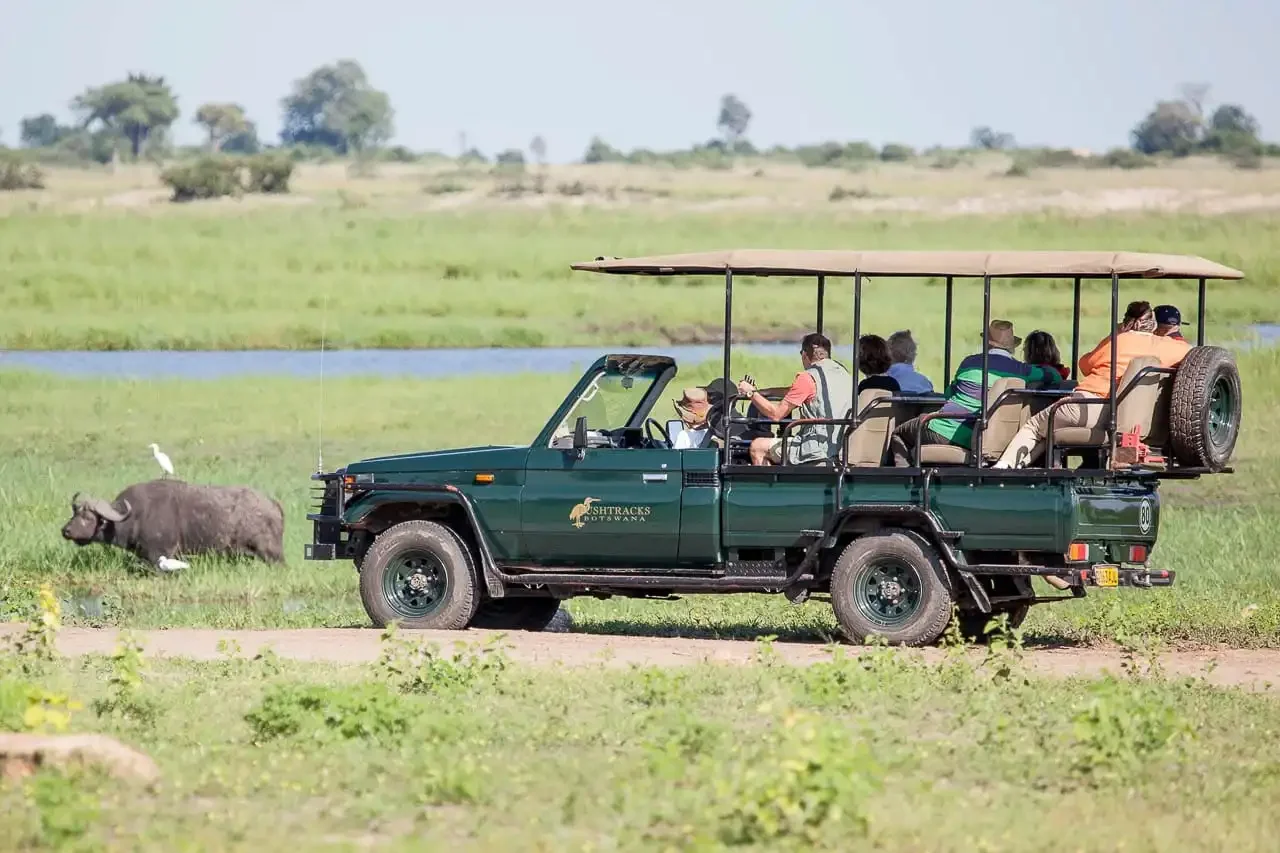
This is a 13 night / 14 day mobile & lodge safari (9 nights spacious and comfortable tented accommodation with private en-suite, 4 nights luxury lodges) that takes in the highlights of Botswana's Okavango Delta, Savuti and Chobe National Park, and Victoria Falls, Zimbabwe. I have joined with Letaka Safaris, Maun, Botswana for the mobile safari and includes 1 x open vehicle, 1 x Professional Guide and camp staff who arrange all meals and camp movement during your safari. This is a high season safari with drier landscapes and wildlife are concentrated around the waterholes & rivers.
We spend the last 4 nights in luxury lodges, chosen for their location, comfort, style and atmosphere.
Itinerary Outline (6 - 19 September)
Charter flight over the Okavango Delta (Maun to Xakanaxa)
3 Nights Letaka Tented Camp (FI) – Moremi Game Reserve, Botswana
Activity guide: Game drives + drive to Mababe
3 Nights Letaka Tented Camp (FI) - Mababe Private Reserve, Botswana.
Activity guide: Game drives, night drives, guided walks, mokoro + drive to Savuti 3 Nights Letaka Tented Camp (FI) - Savuti, Chobe National Park, Botswana Activity guide: Game drives + drive to Kasane 2 Nights Chobe Safari Lodge (DBB +2 Activities) - Kasane, Chobe River, Botswana. Activity guide: Game drive, river cruise + road transfer to Victoria Falls. 2 Nights Bayete Guest Lodge (B&B) - Victoria Falls, Zimbabwe Activity guide: Tour Victoria Falls + lunch, Sunset cruise + transfer to VFA airport
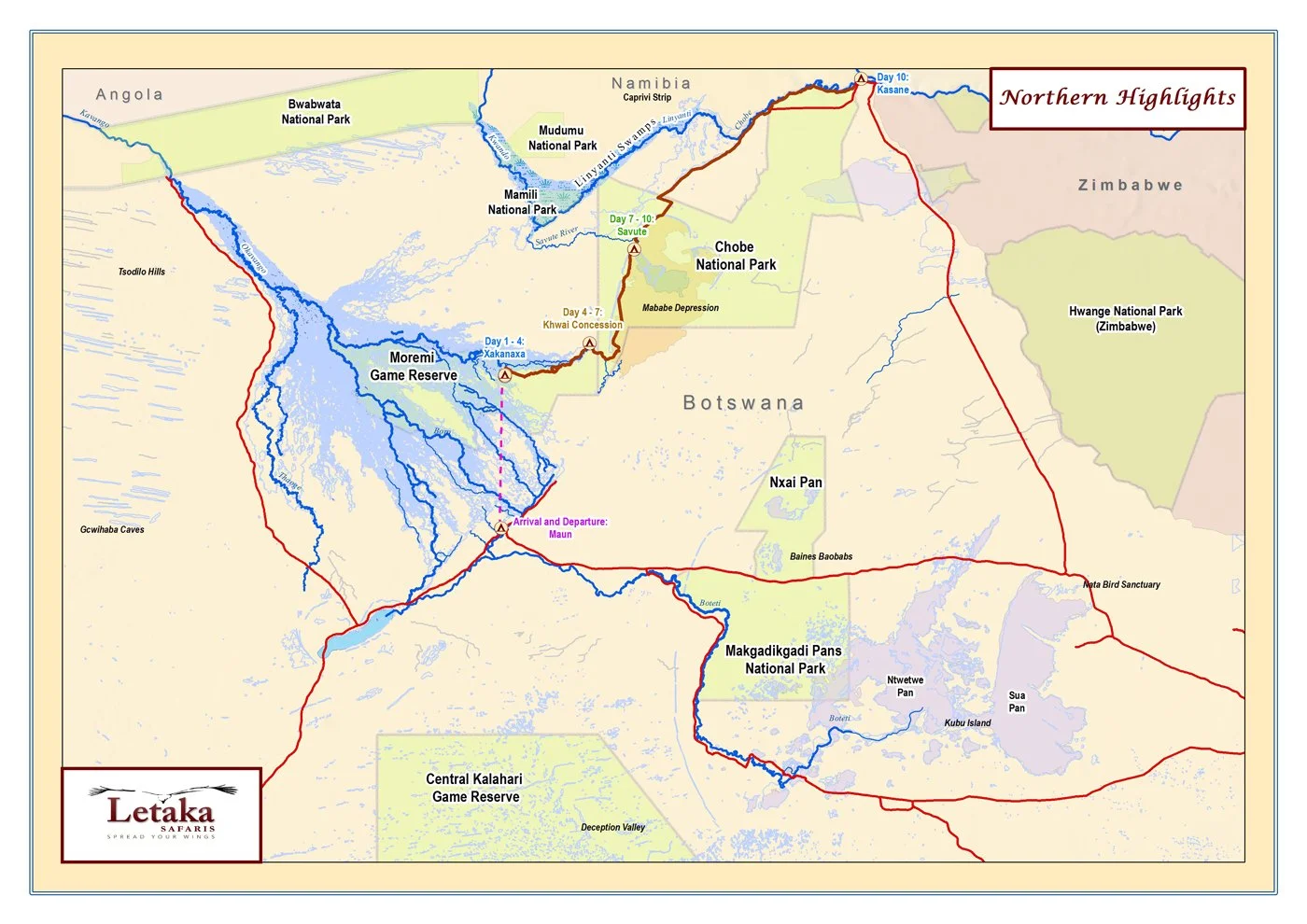
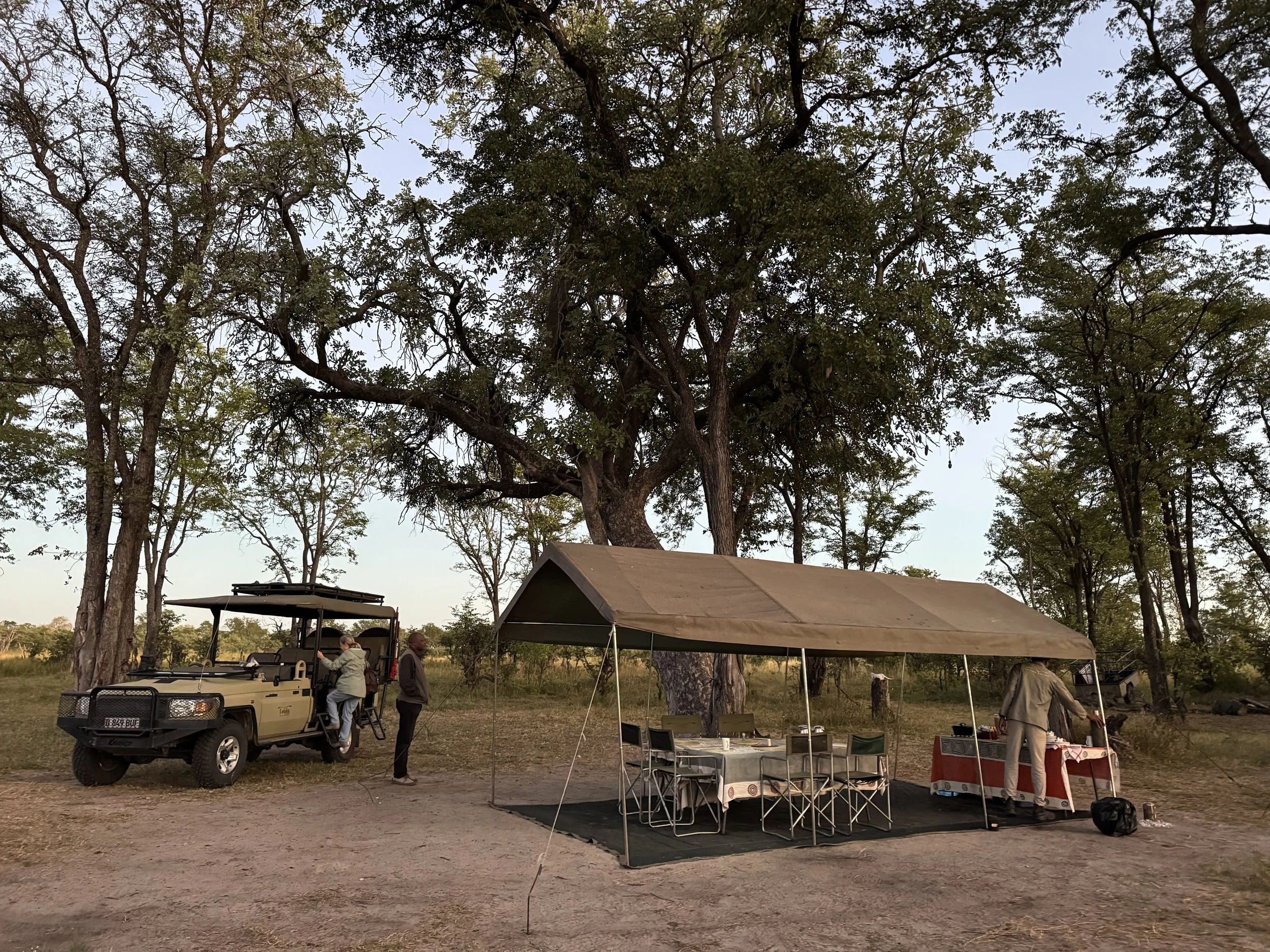
9 nights NORTHERN HIGHLIGHTS fully serviced en-suite tented private mobile safari (6 - 15 September) with Letaka Safaris
Sunday 6th September
Day 1: Maun to Xakanaxa, Moremi Game Reserve/ Travel Day /30 minute charter flight
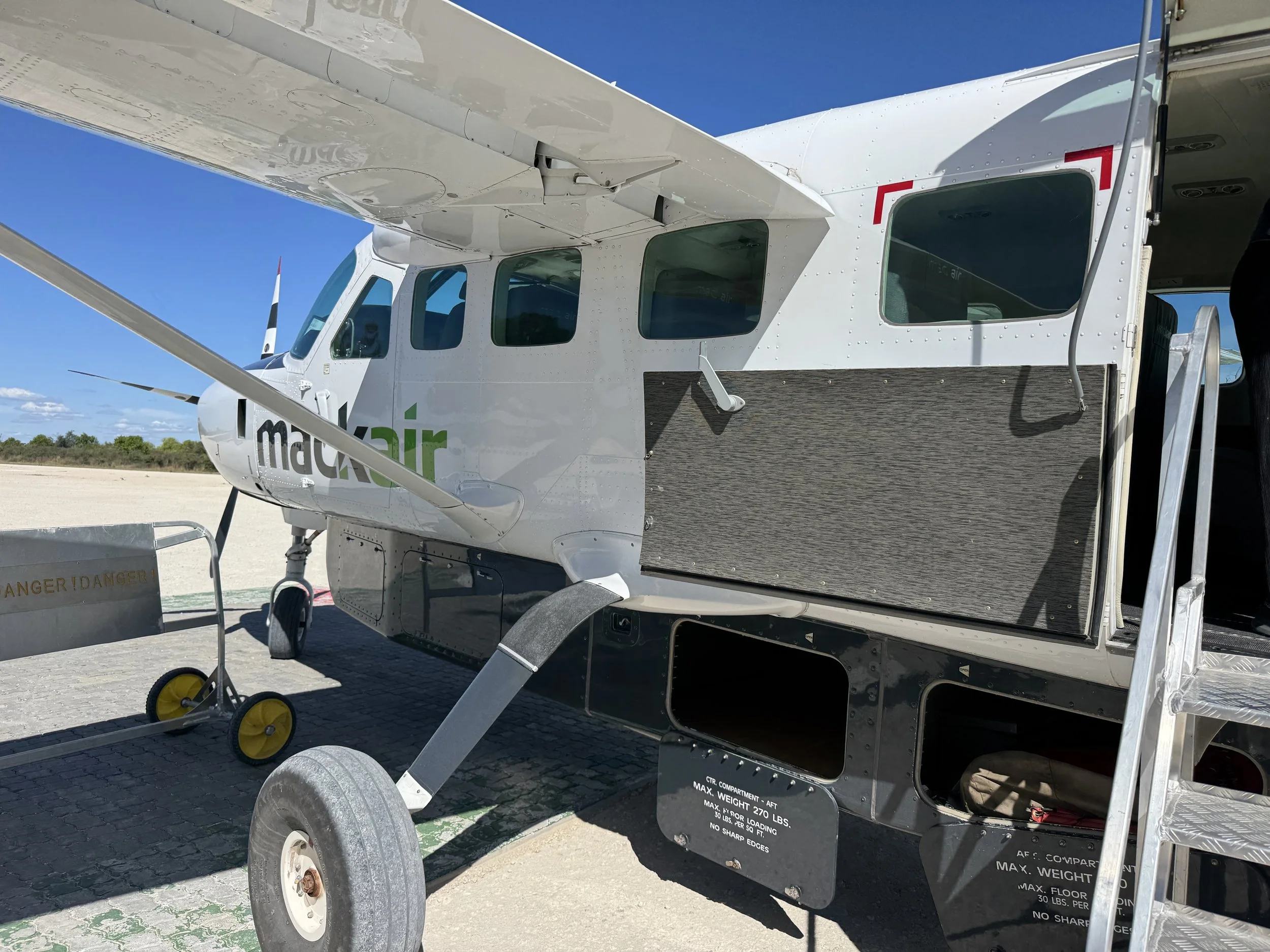
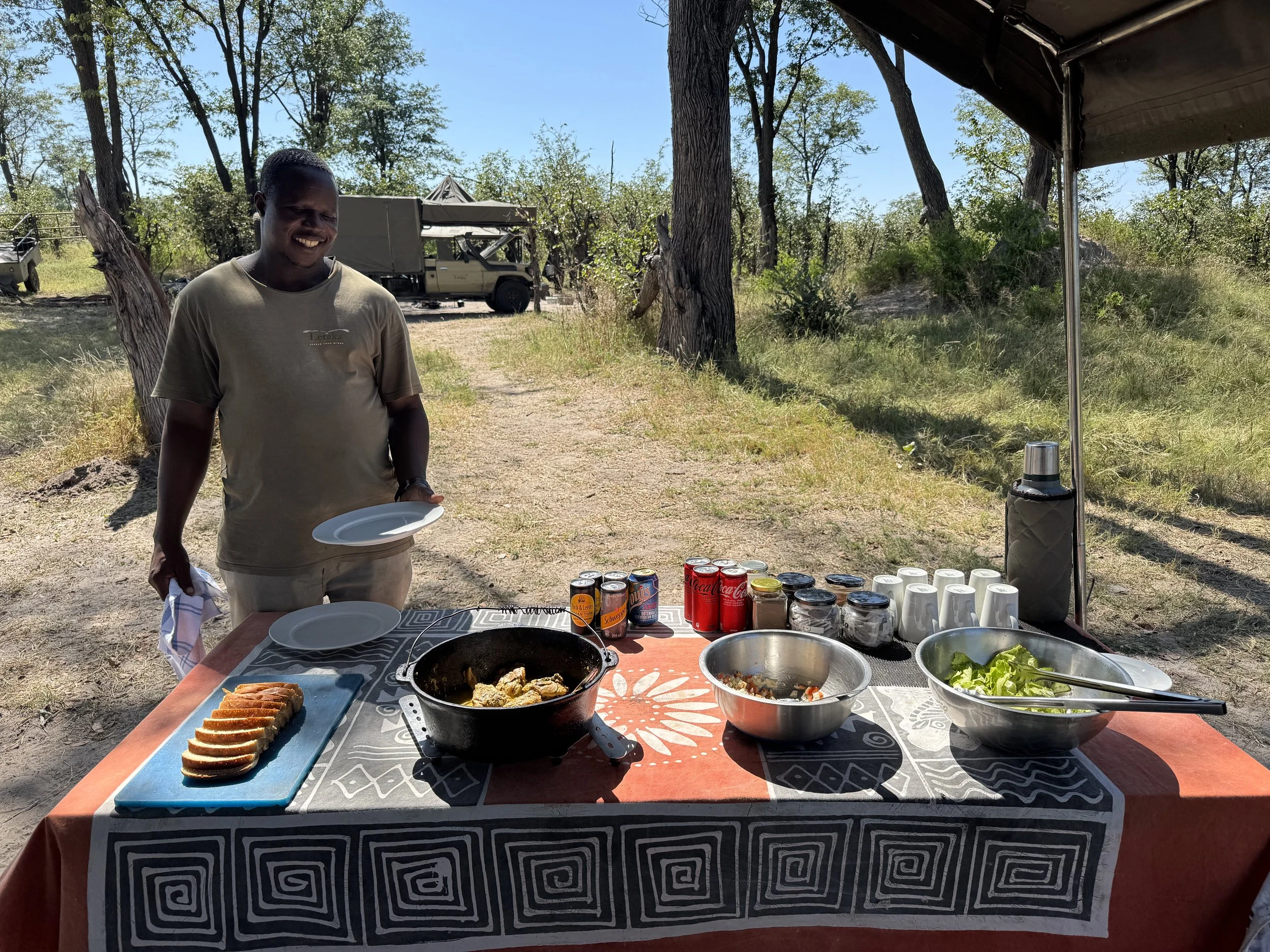
After your arrival at Maun International Airport you will be met by Mack Air for your charter flight at approximately 14h30 to the Xakanaxa airstrip in Moremi Game Reserve where you will be met by your guide and spending the first 3 nights camping. We explore the surrounding wilderness on morning and afternoon game drives.
Accommodation: Letaka Tented Camp Activities: Scenic flight, Game Drives
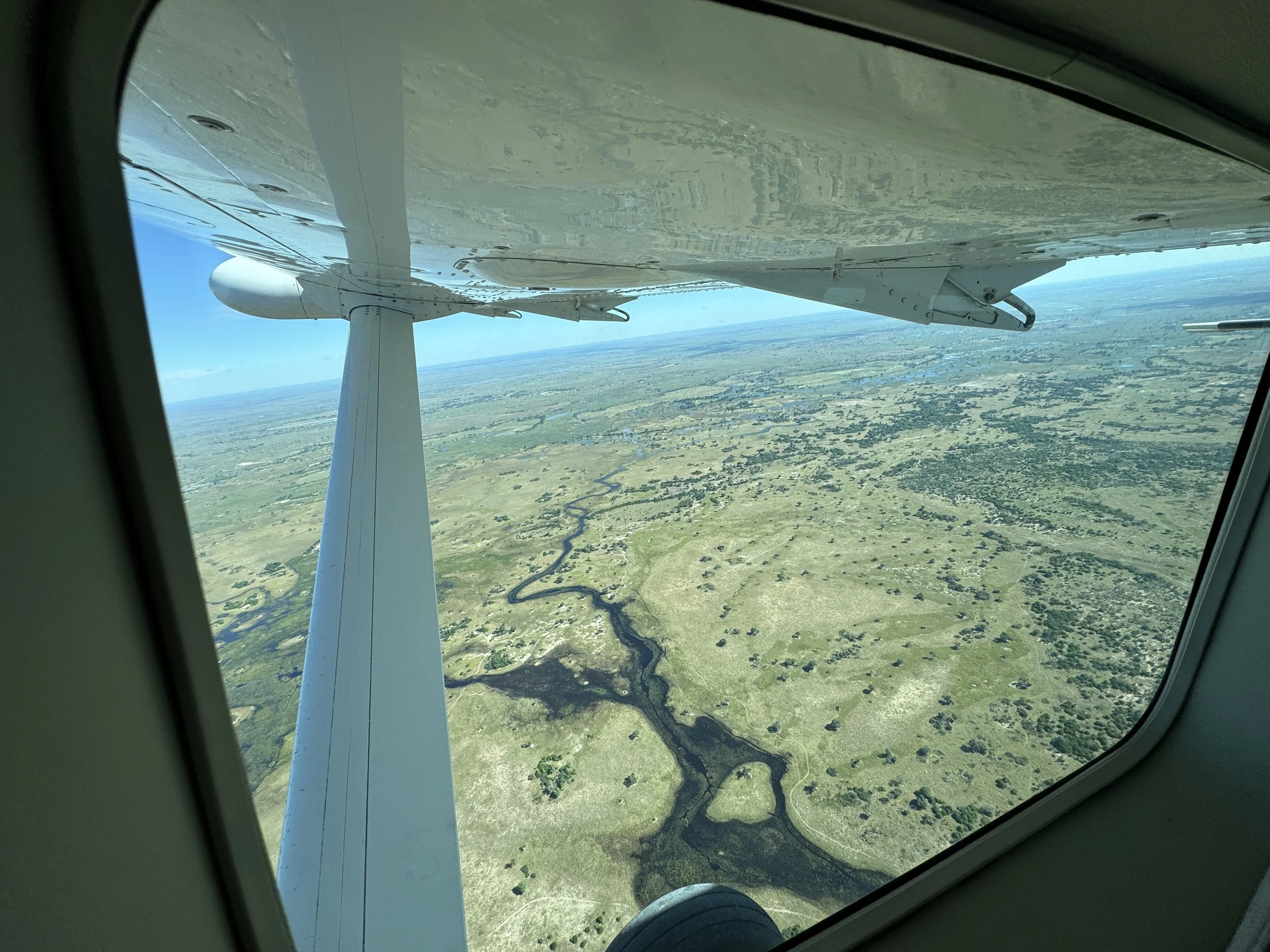
Wildlife: From the air only the larger animals are easily seen. These include large breeding herds of African elephant that live in the mopane scrub. On the open plains large herds of buffalo and lechwe can be seen and in the waterways, pods of hippopotamus are a common sight. Once you land in Xakanaxa and board your land cruiser, the smaller game animals can be found.
Birding: A good day for raptors with African Hawk-Eagle, Gabar Goshawk, Shikra, Little Sparrowhawk, Dark Chanting Goshawk, Tawny Eagle, Lesser Spotted Eagle* and Steppe Eagle* all inhabiting the mopane and adjacent woodlands. Other birds common along this route includes most of Botswana’s hornbills including Red-billed, Southern Yellow-billed, African Grey, Bradfield’s and the Southern Ground Hornbills. A large number of brood-parasites may also be seen. Diederick Cuckoo*, Levaillant’s Cuckoo*, Jacobin Cuckoo*, Great-spotted Cuckoo*, African Cuckoo*, Common Cuckoo*, Shaft-tailed Whydah, Pin-tailed Whydah, Eastern Paradise Whydah, Greater Honeyguide, and Lesser Honeyguide.
Monday 7th & Tuesday 8th September
Days 2 & 3: Xakanaxa Exploration Days - Moremi Game Reserve
Habitat: Moremi lies on the eastern extremity of the Okavango Delta. Habitats here range from wide-open floodplains, marshes, lagoons, papyrus fringed channels, vast stands of Miscanthus and Phragmites, woodland and savannah. As a result of the extremely variable habitat the diversity of both wildlife and birdlife is excellent.
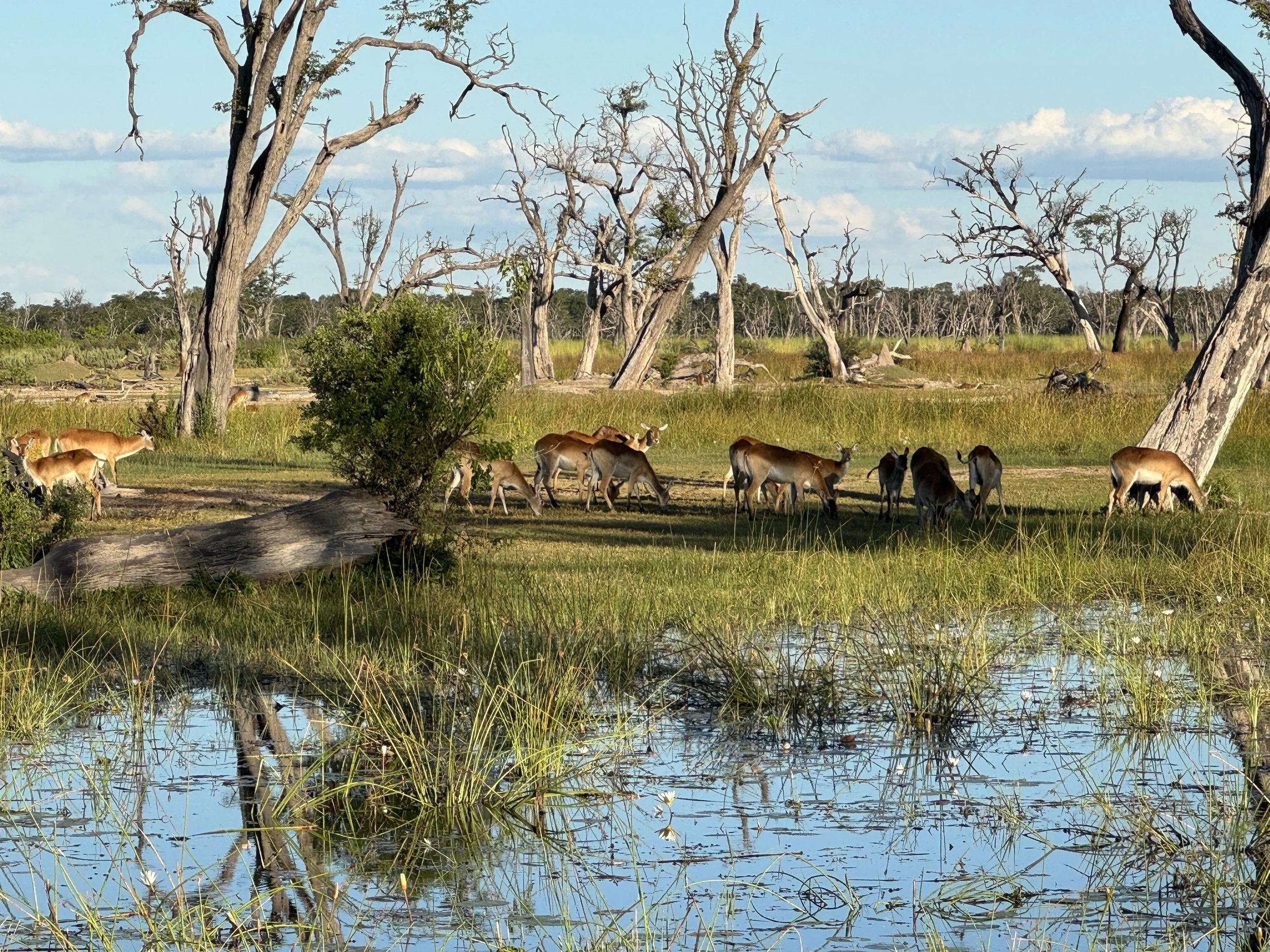
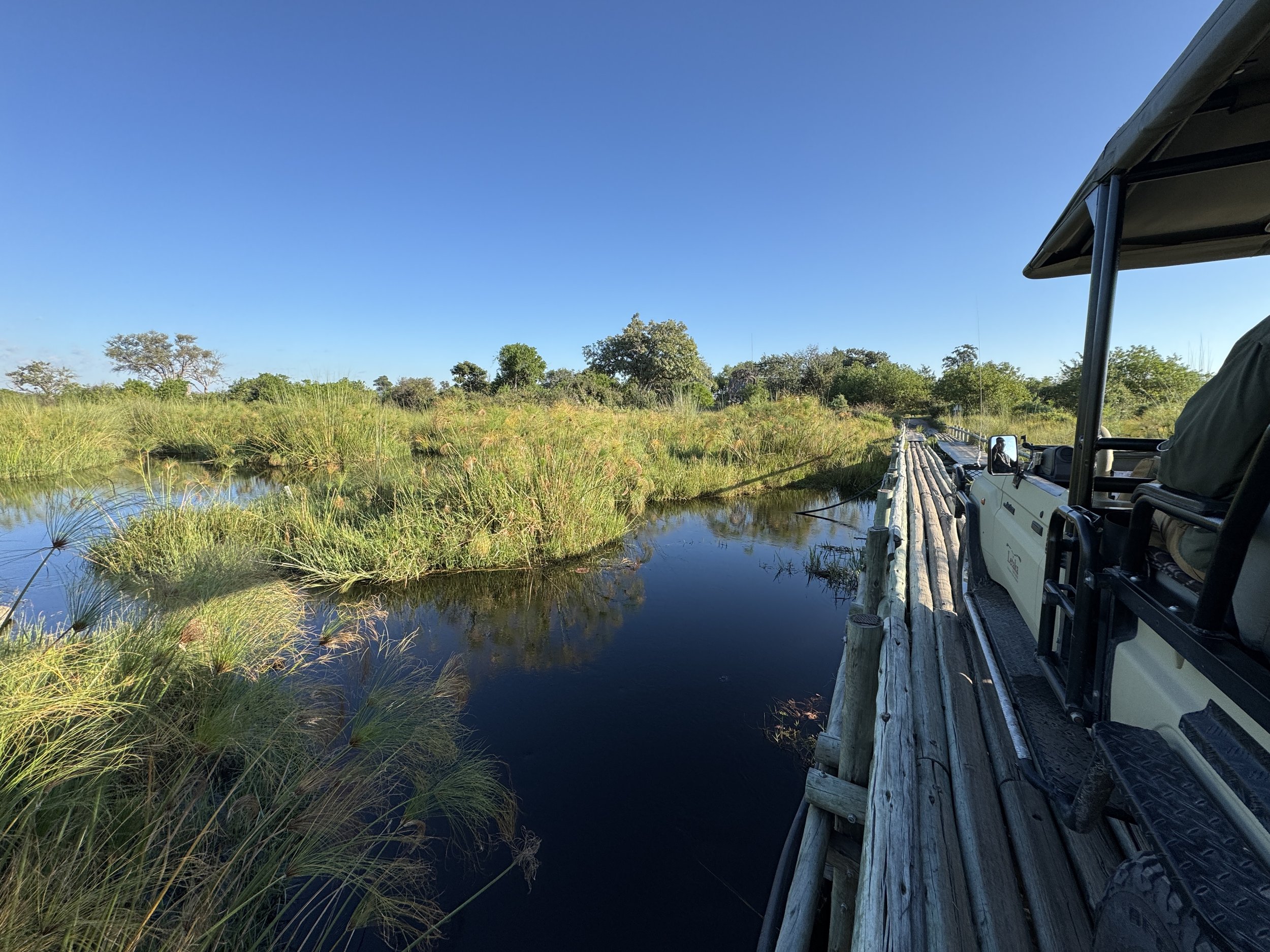
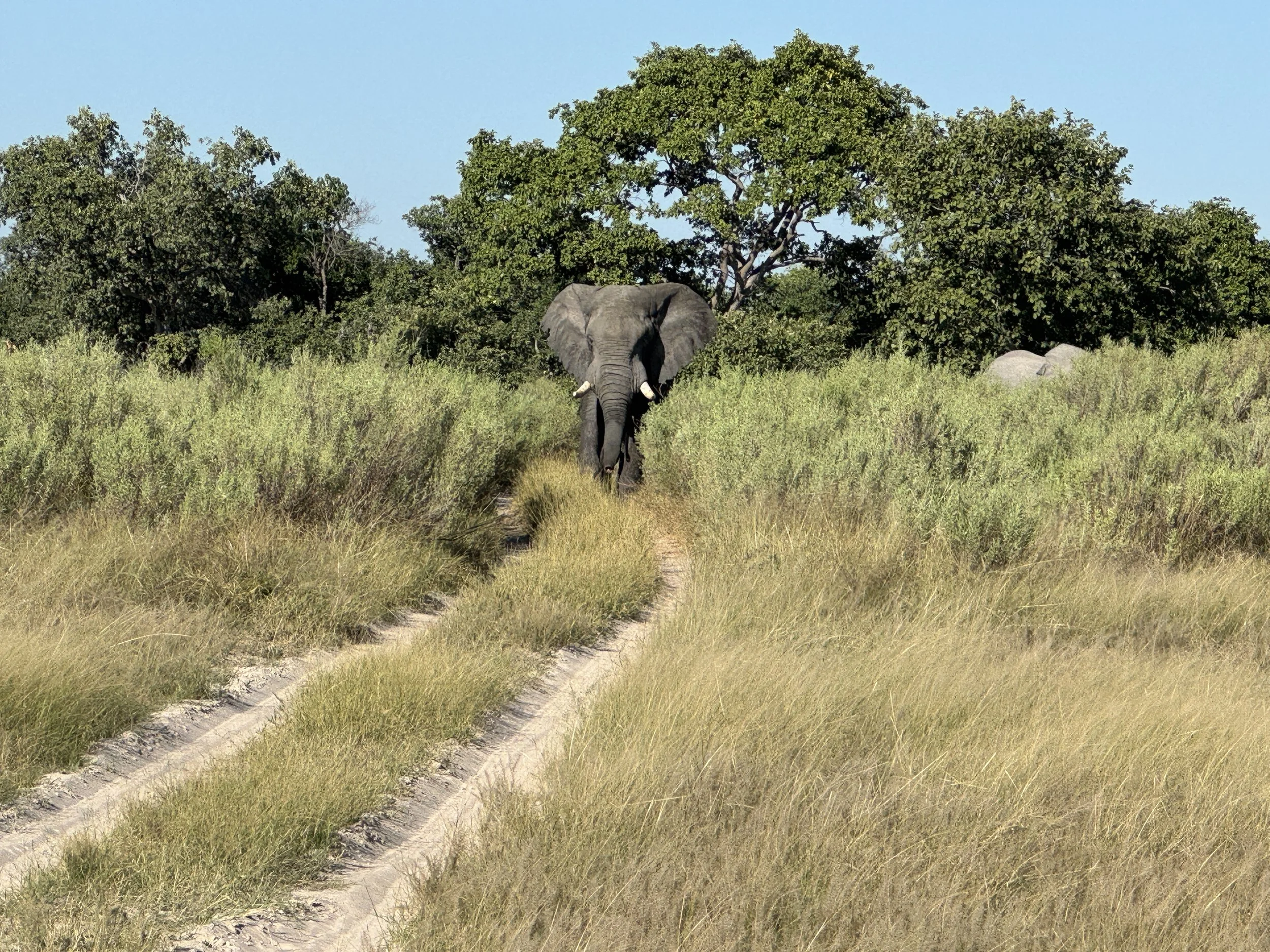
Wildlife: Moremi is amongst the best game reserves in Africa for viewing the endangered African wild dog. Xakanaxa is home to a resident herd of several hundred buffalo whose range covers the territories of at least 4 prides of lion which may often be seen flanking the ever moving herd. Breeding herds of elephant move between their browsing areas in the mopane forests and the fresh water of the Okavango. Red lechwe are one of the more unusual antelope species and commonly found here.
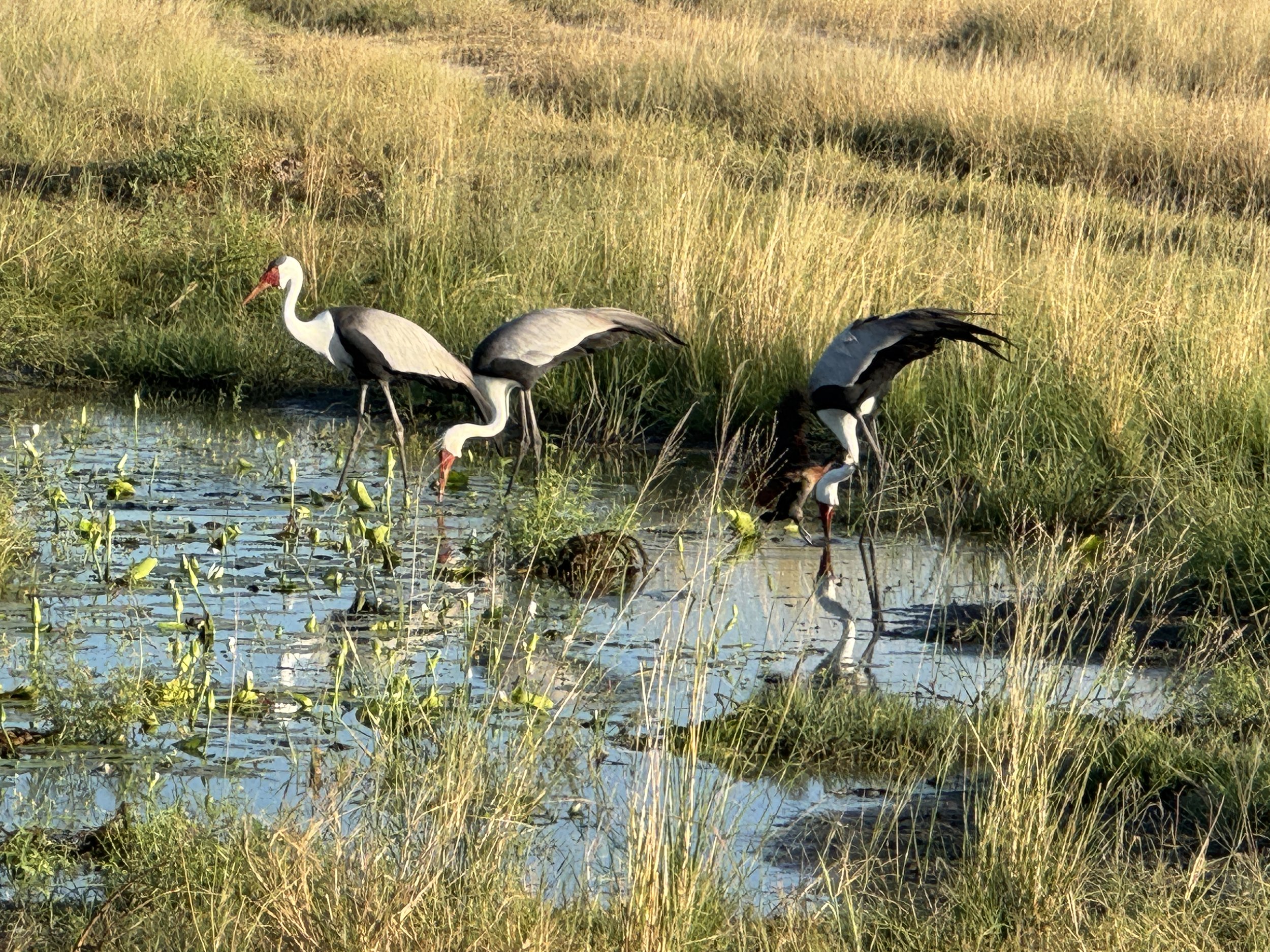
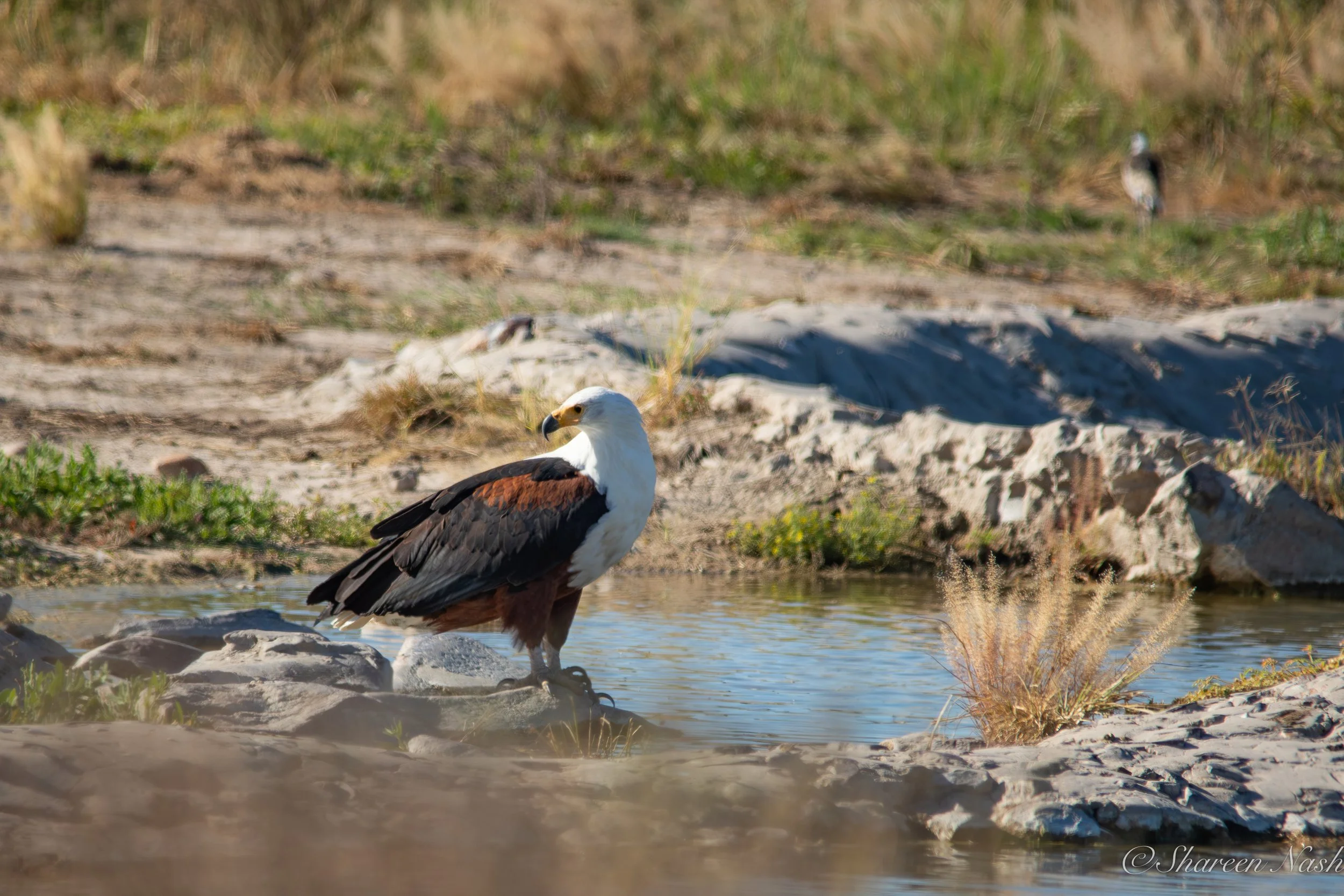
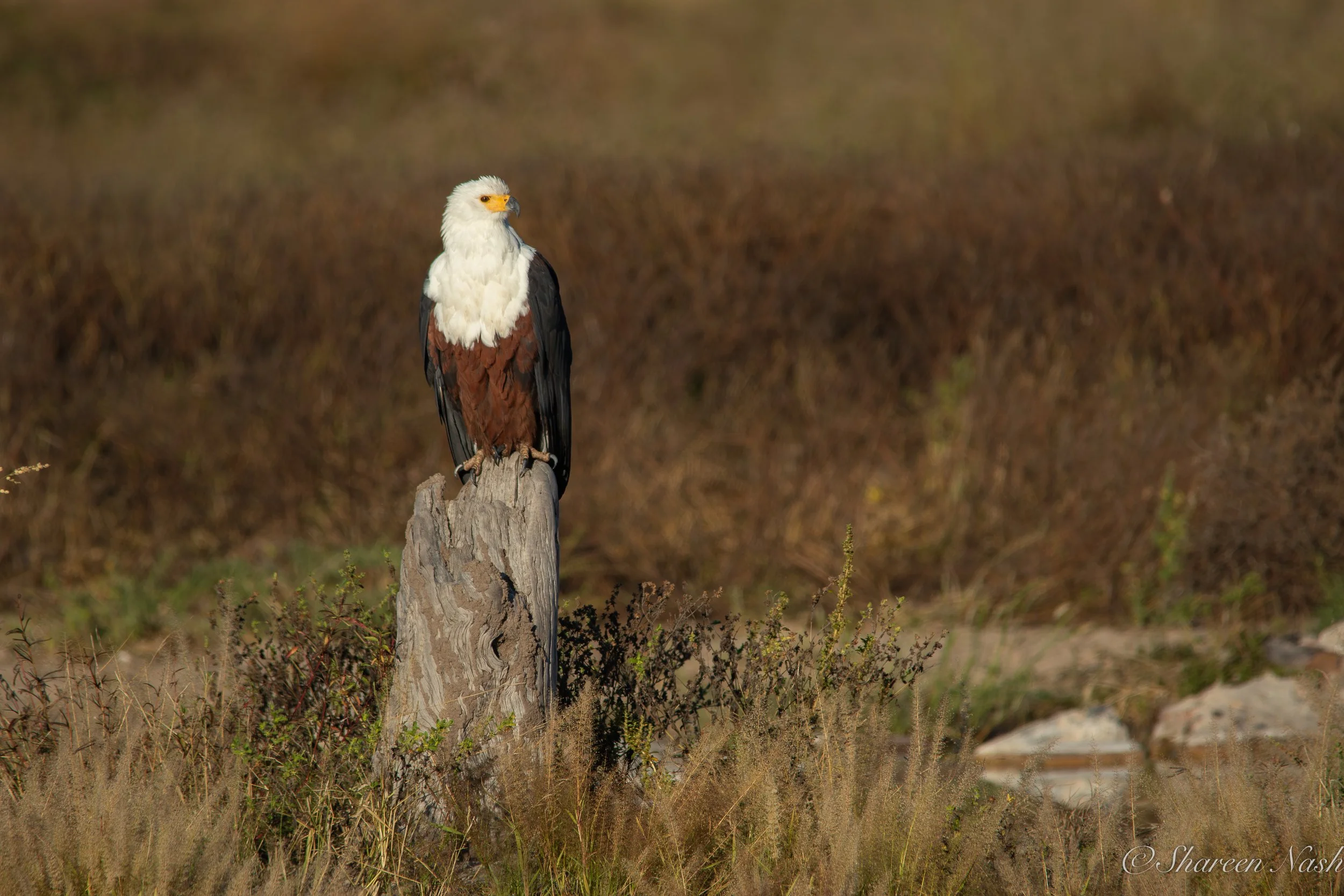
Birding: The swampy areas of Xakanaxa are home to African Rail, Coppery-tailed Coucal, Black Coucal*, Red-chested Flufftail, African Crake*, Black Crake, Chirping Cisticola, Luapula Cisticola, Purple Swamphen, Allen’s Gallinule to name but a few. The open waters attract African Skimmer, Saddle-billed Stork, Yellow-billed Stork, Intermediate Egret, Goliath Heron, African Fish Eagle as well as the globally threatened Slaty Egret and Wattled Crane.
Accommodation: Letaka Tented Camp. Activities: Game Drives
Wednesday 9th September
Day 4: Xakanaxa to Mababe Private Reserve/ Travel Day / 110km (full day of extended game drive and journey time with picnic lunch between camps
Following an early morning breakfast you take a slow drive through Moremi Game Reserve north-east towards the Khwai and Mababe Areas. On this moving day we shall do a mokoro excursion in the calmer back-waters of the Khwai and Mbudi channels as opposed to doing the mokoro in the quicker moving section of the Khwai River that runs through Mababe.
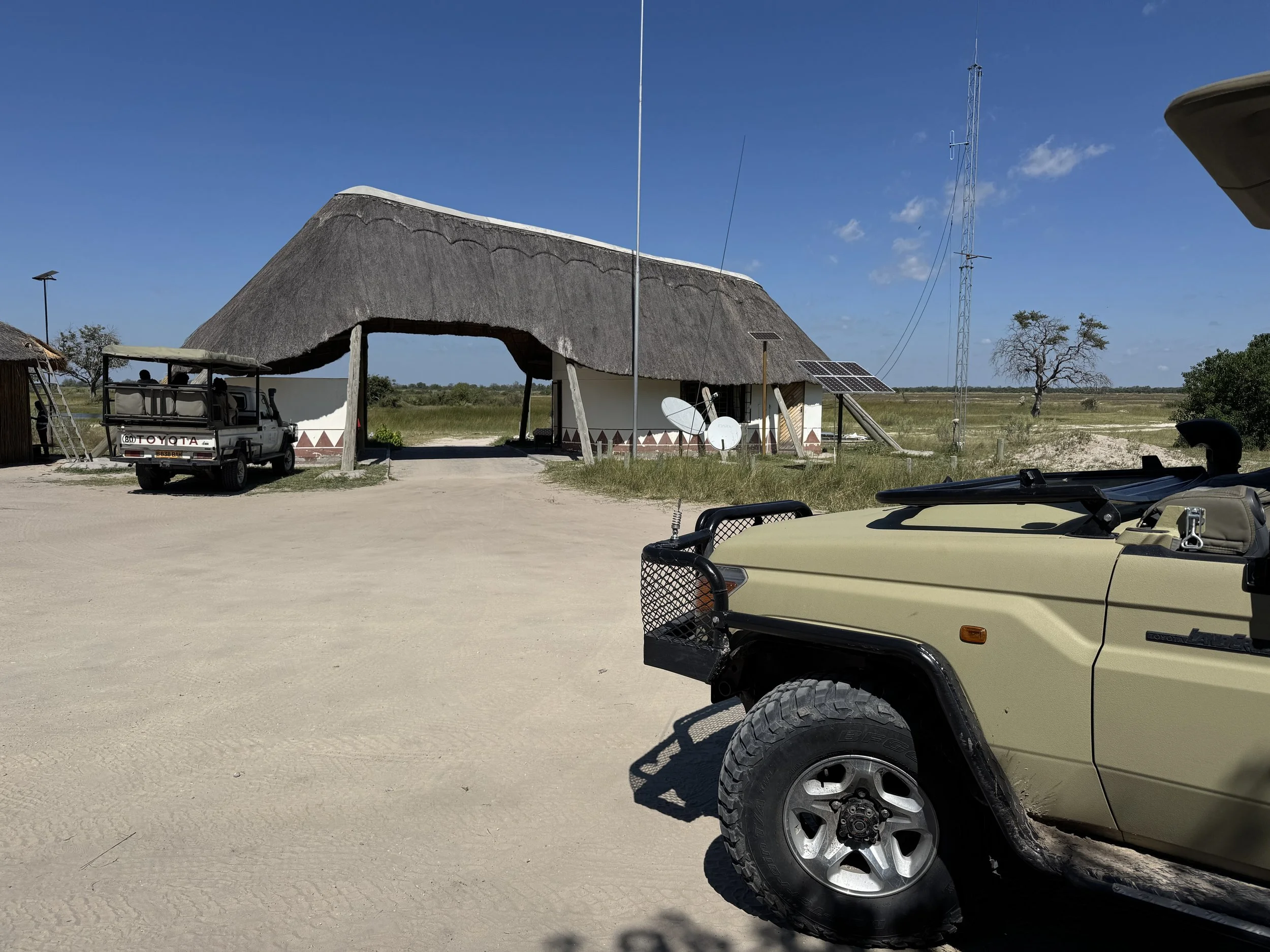
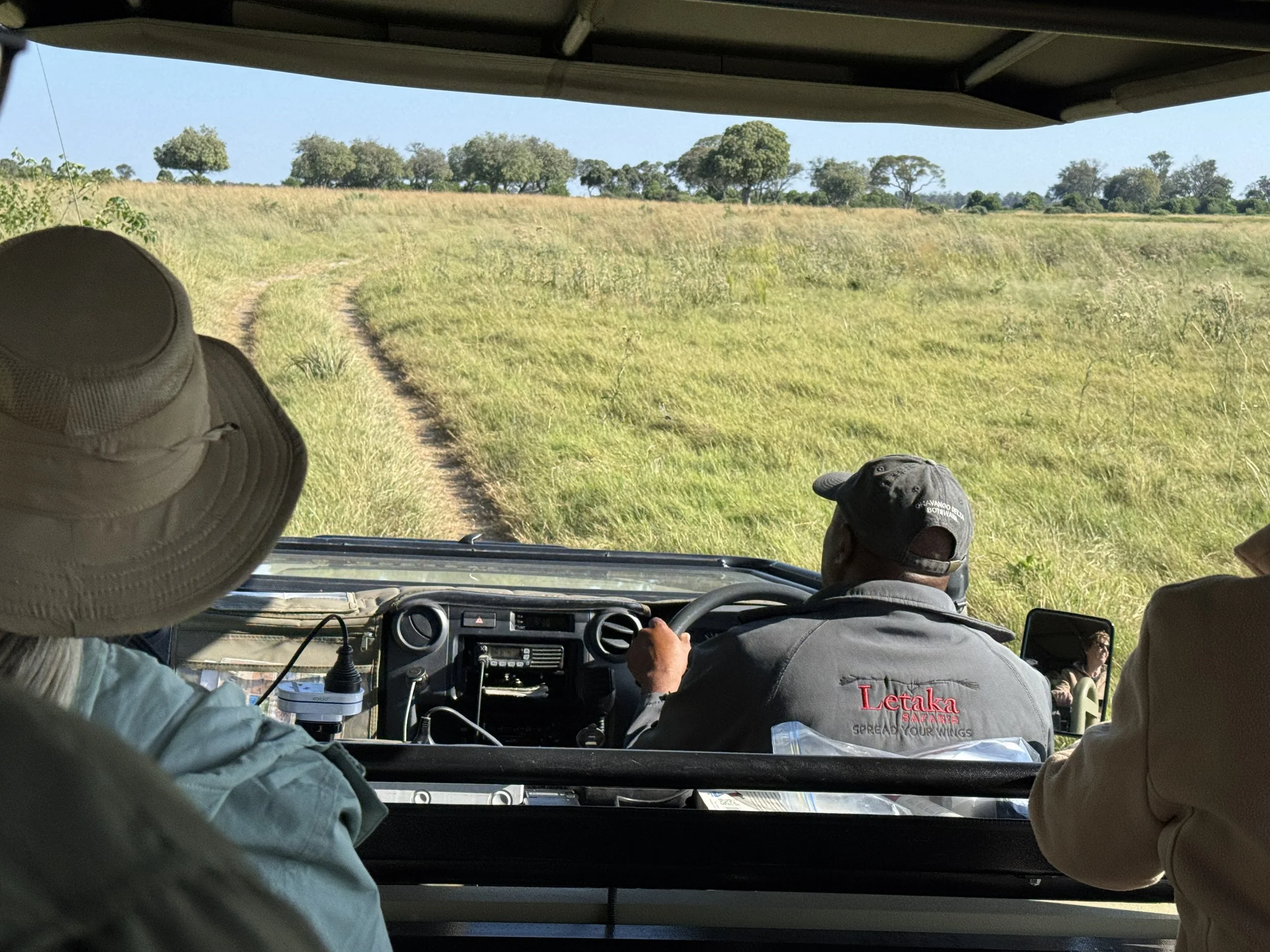
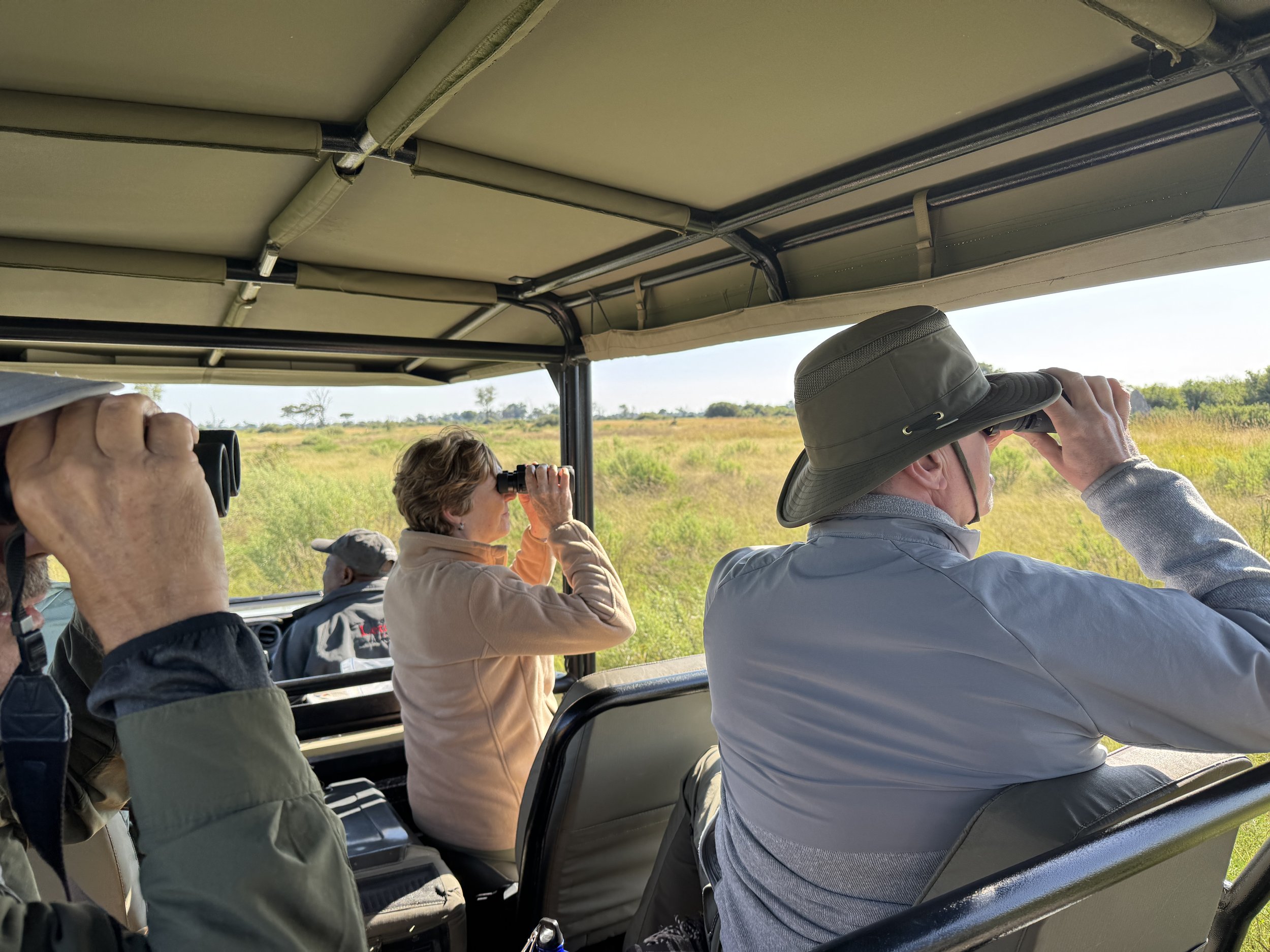
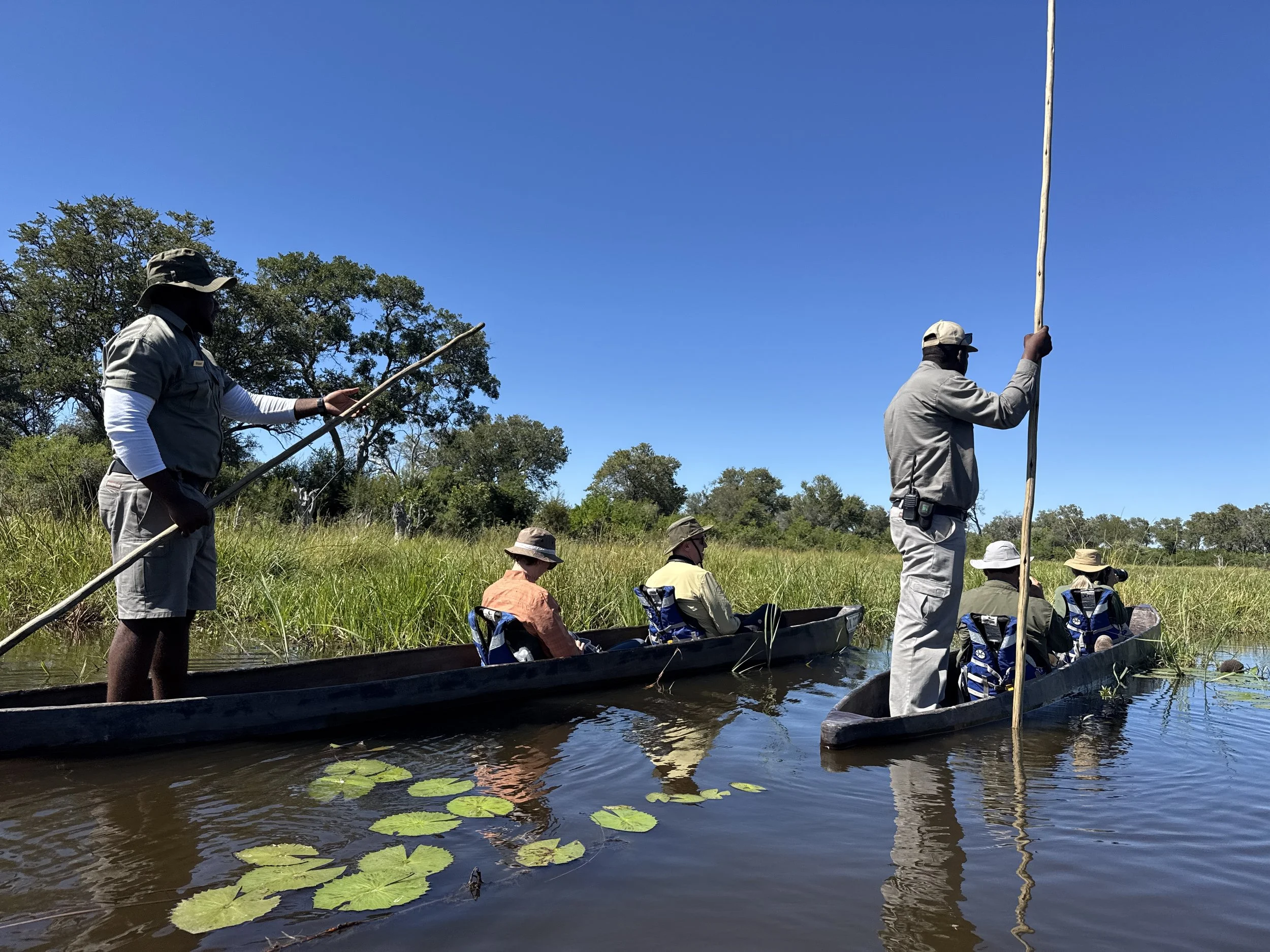
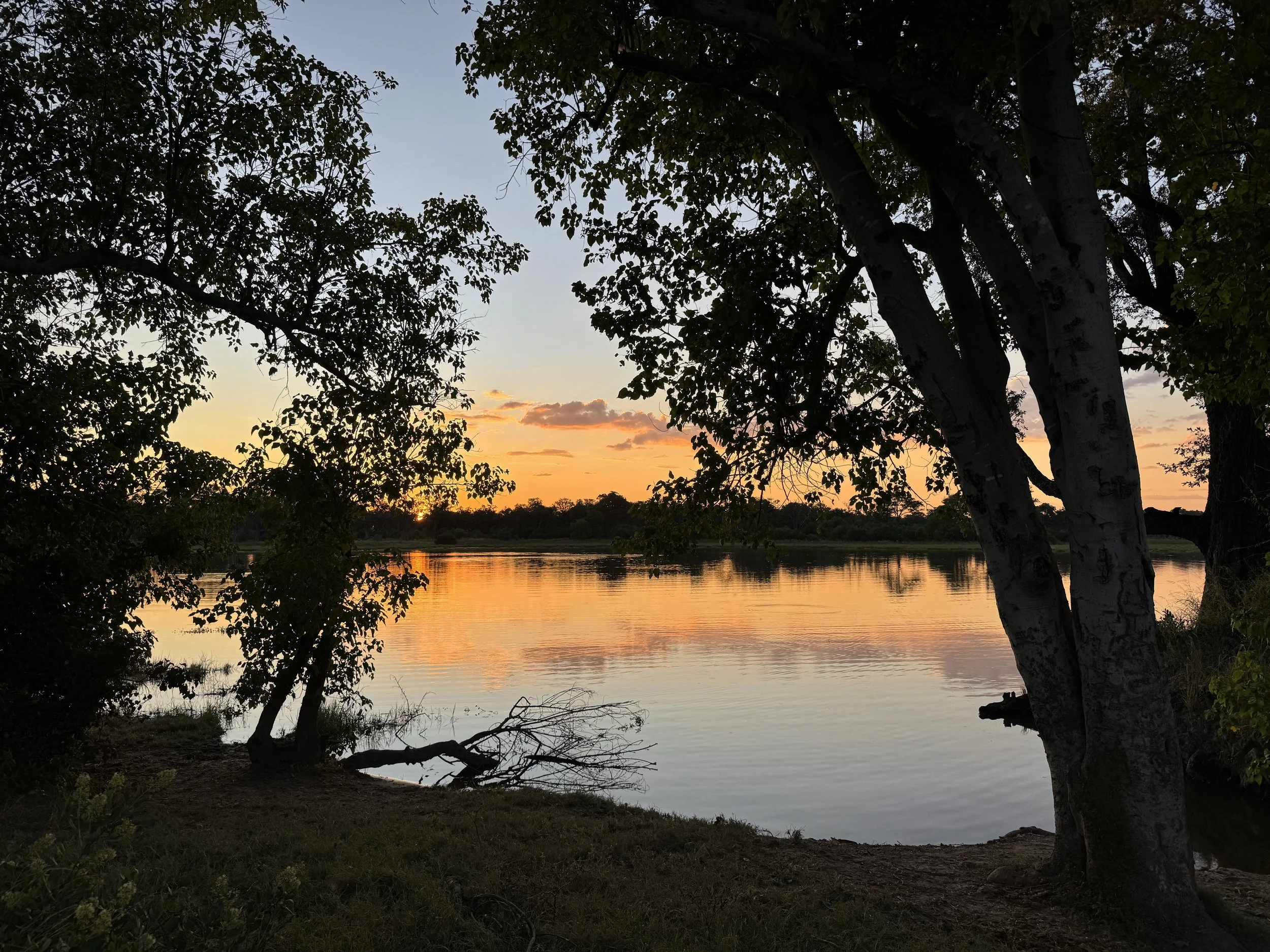
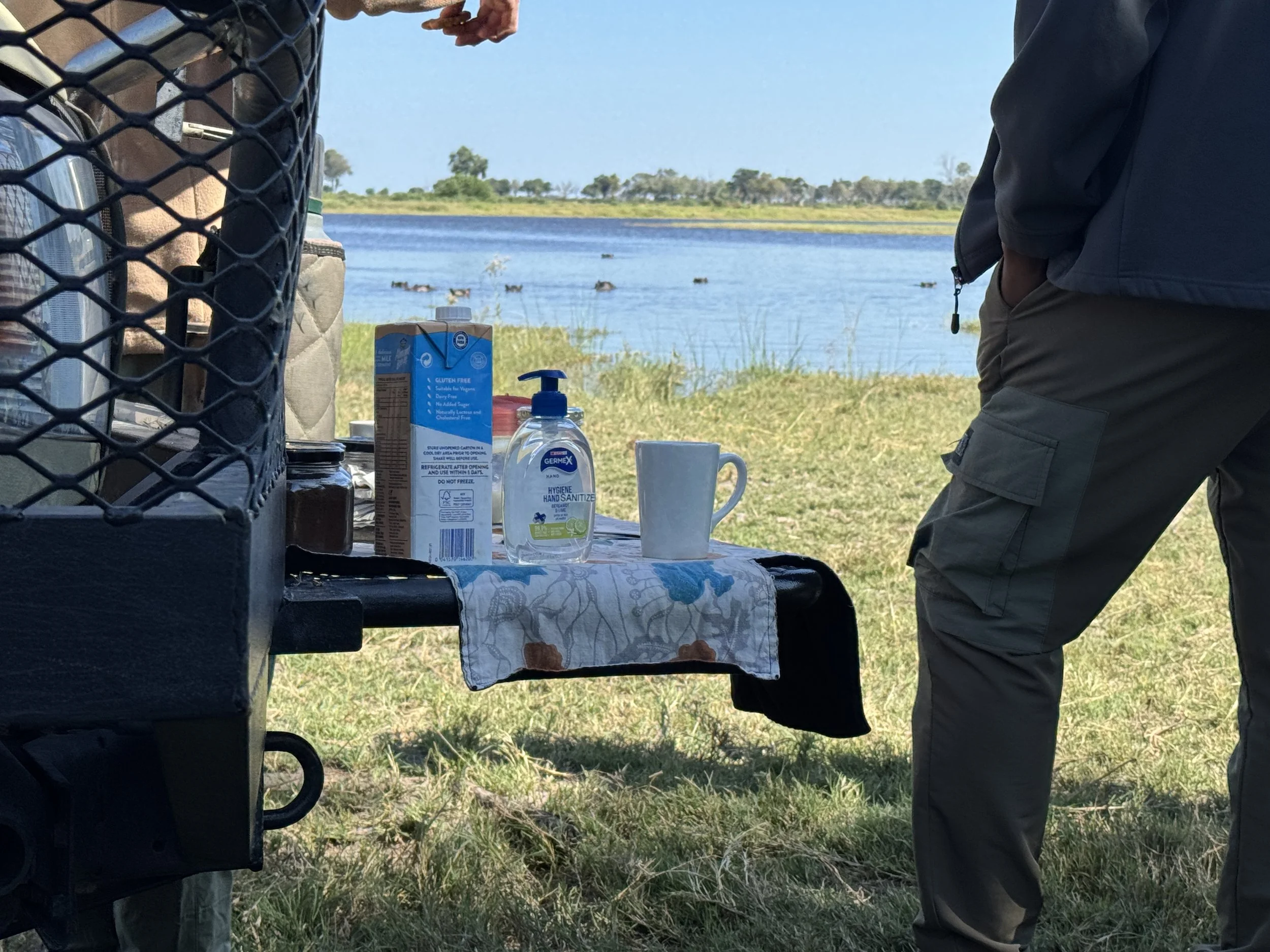
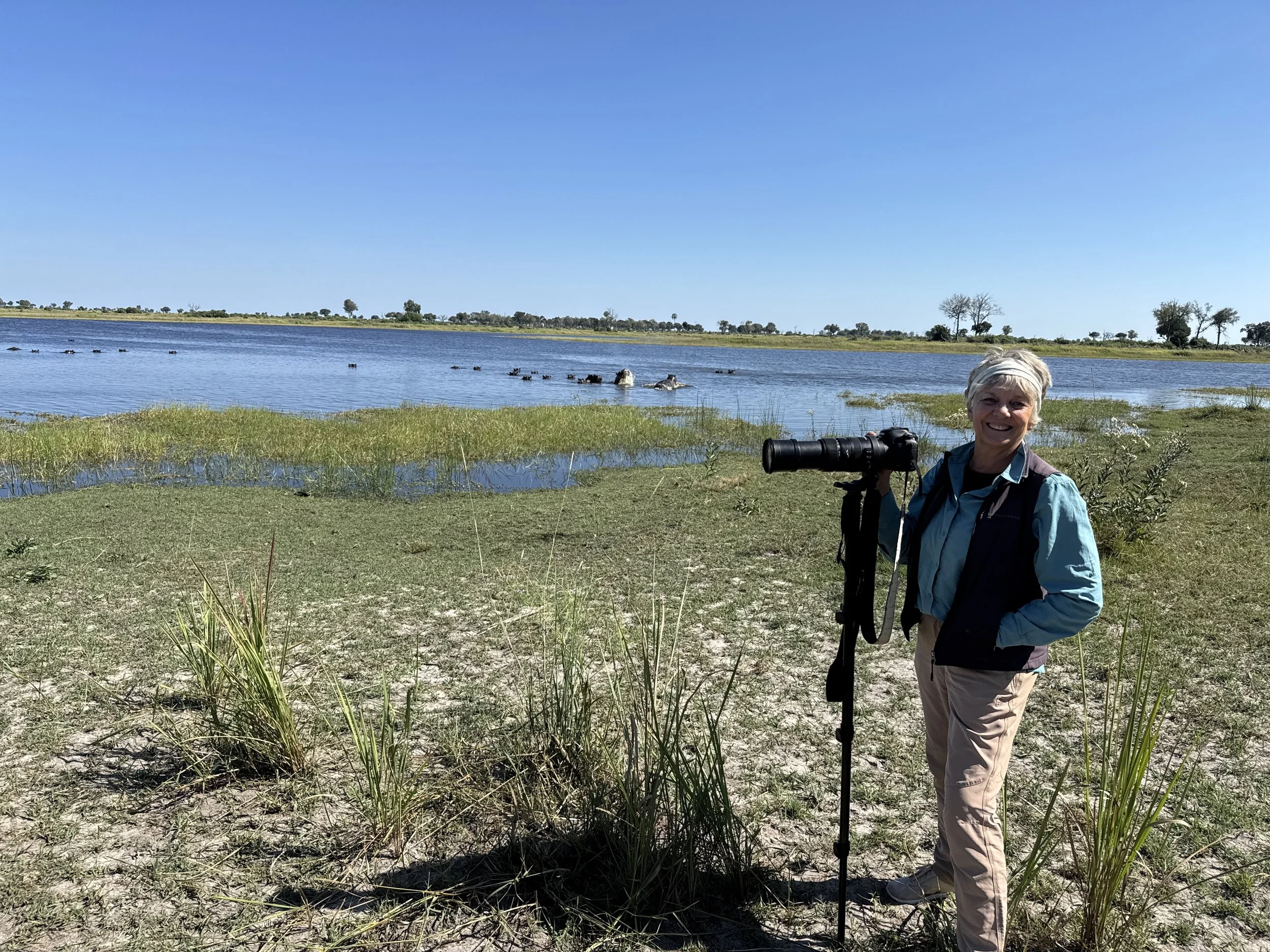
Habitat: The Manuchira Channel is known as the Khwai River at its eastern most extremity. The day’s journey follows this water course, with the track weaving from the riverside and floodplains into the mopane veld and the woodlands that to the Mababe Private Reserve where we camp on the banks of the Khwai River before it flows out and into the Mababe Depression. We pass the magnificent Dombo Hippo Pools in the morning stopping to enjoy the scenery and the antics of the resident hippo and shall game drive through Khwai until we reach Mababe.
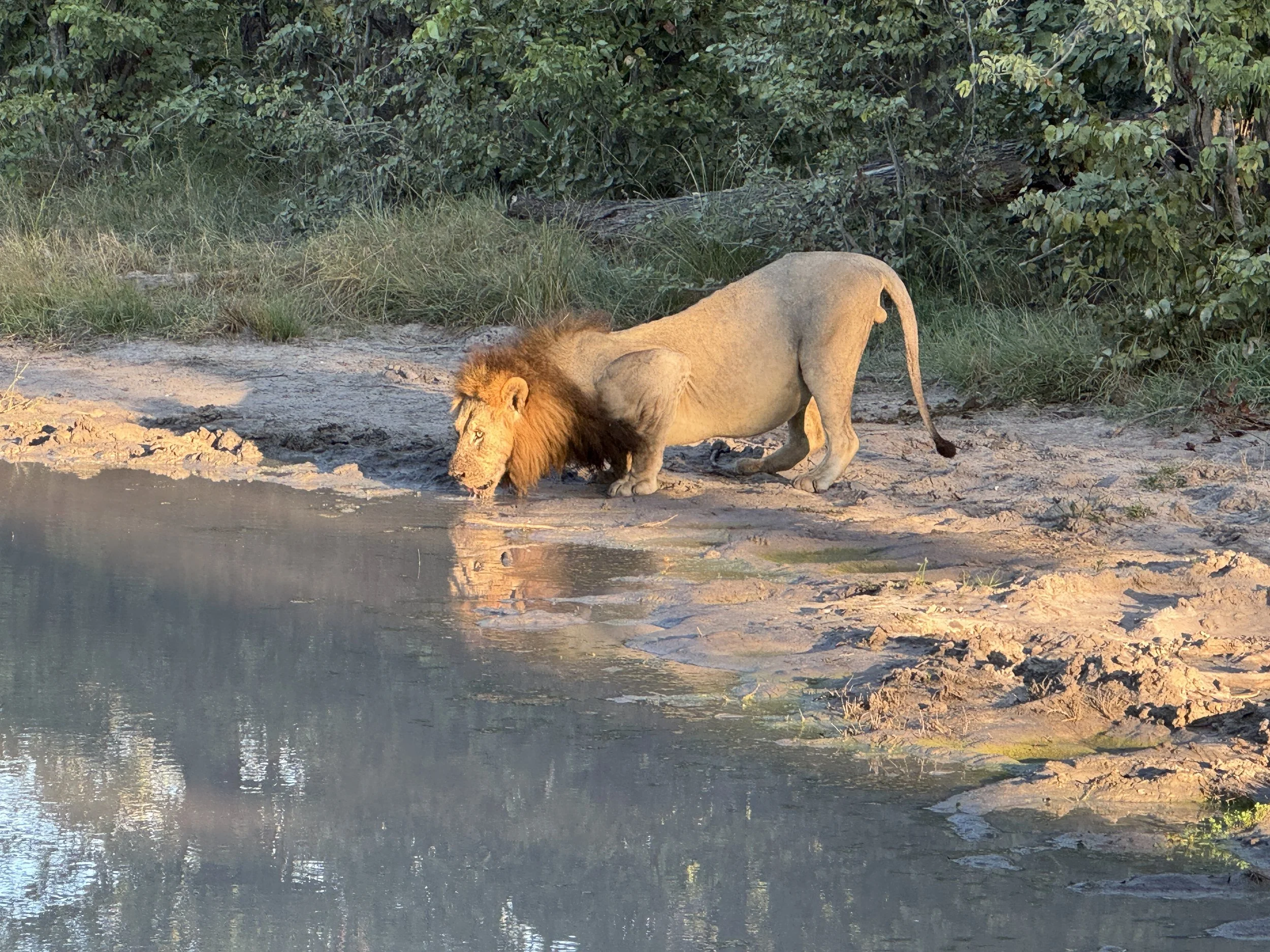
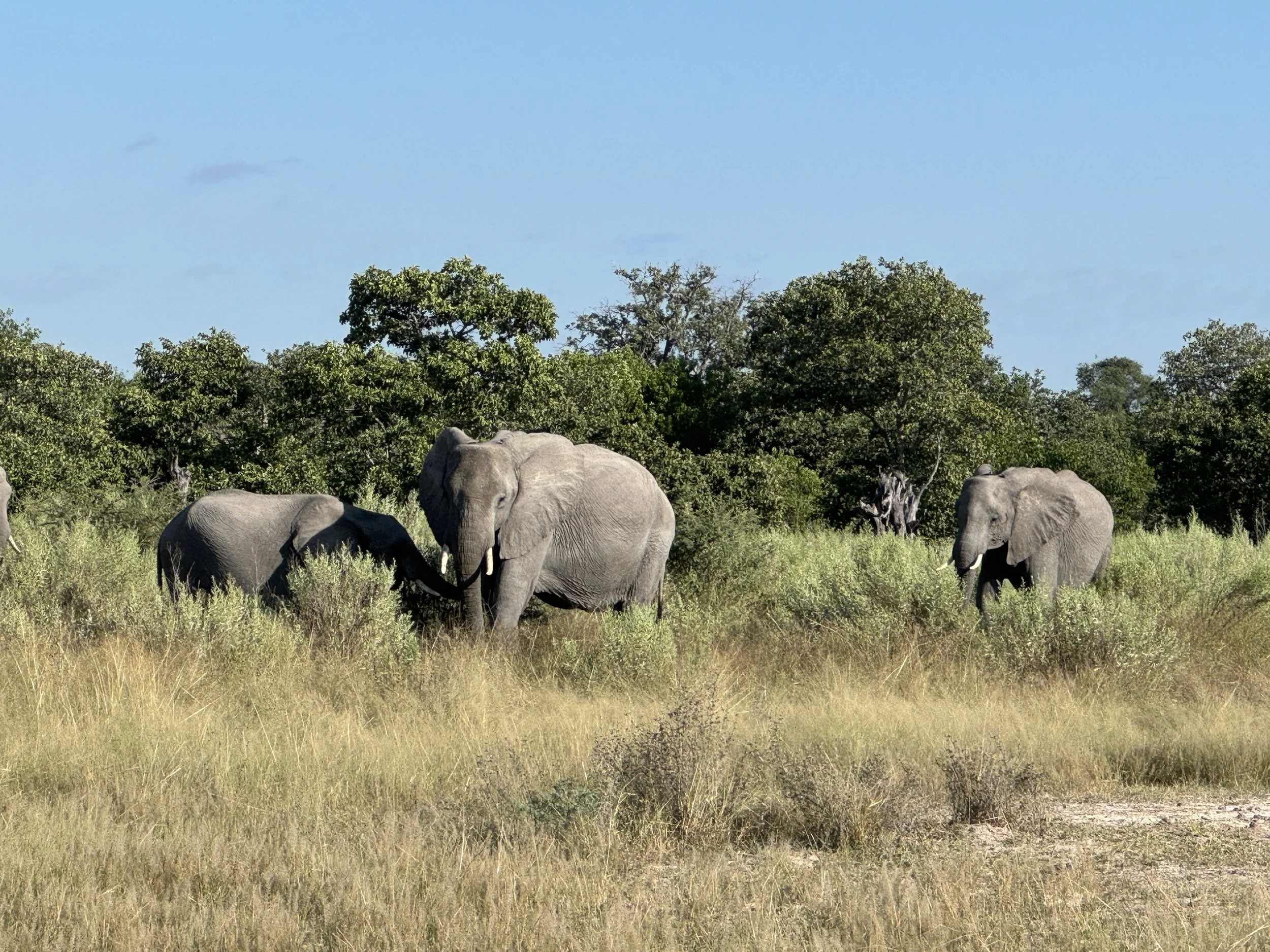
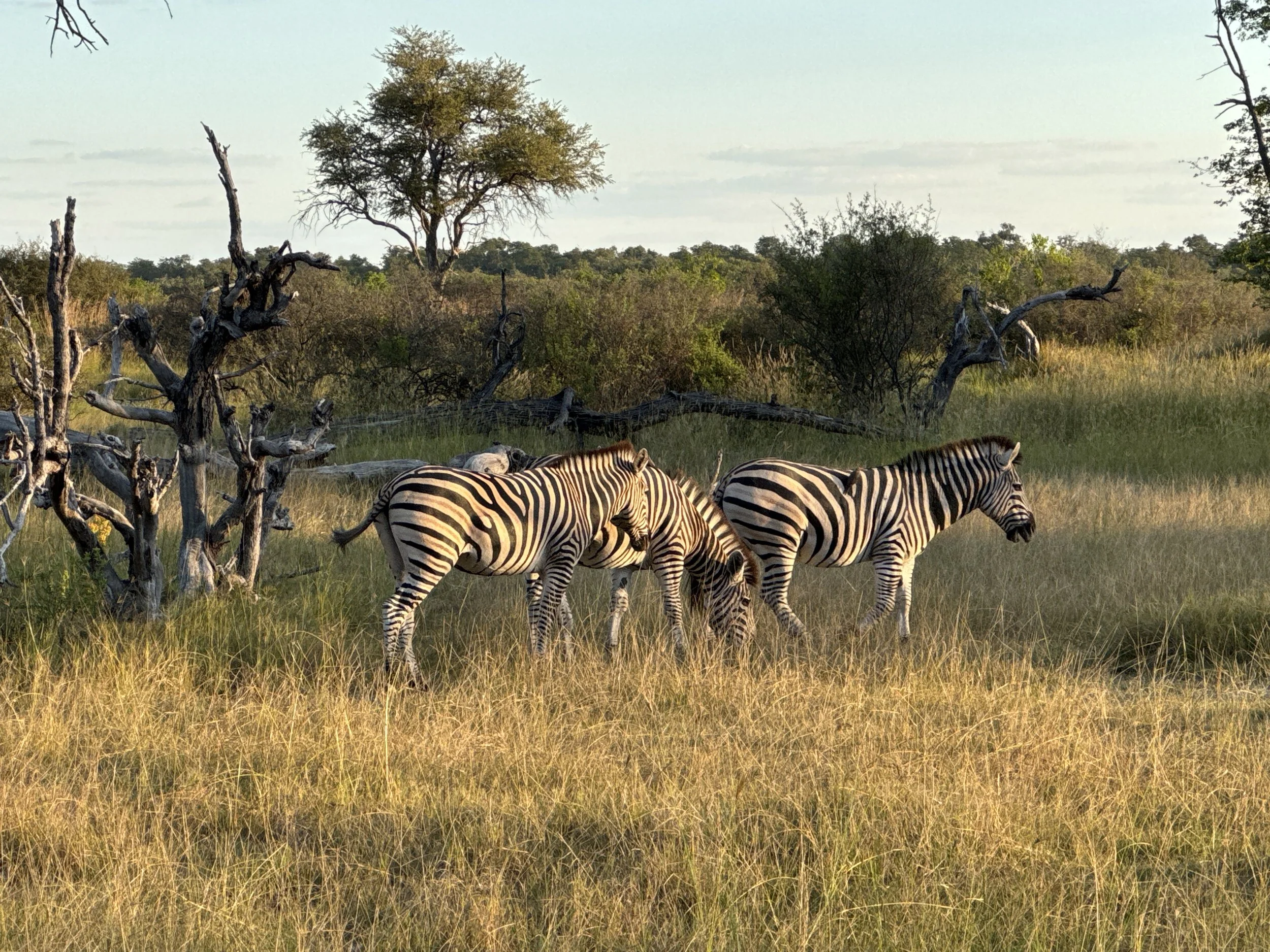
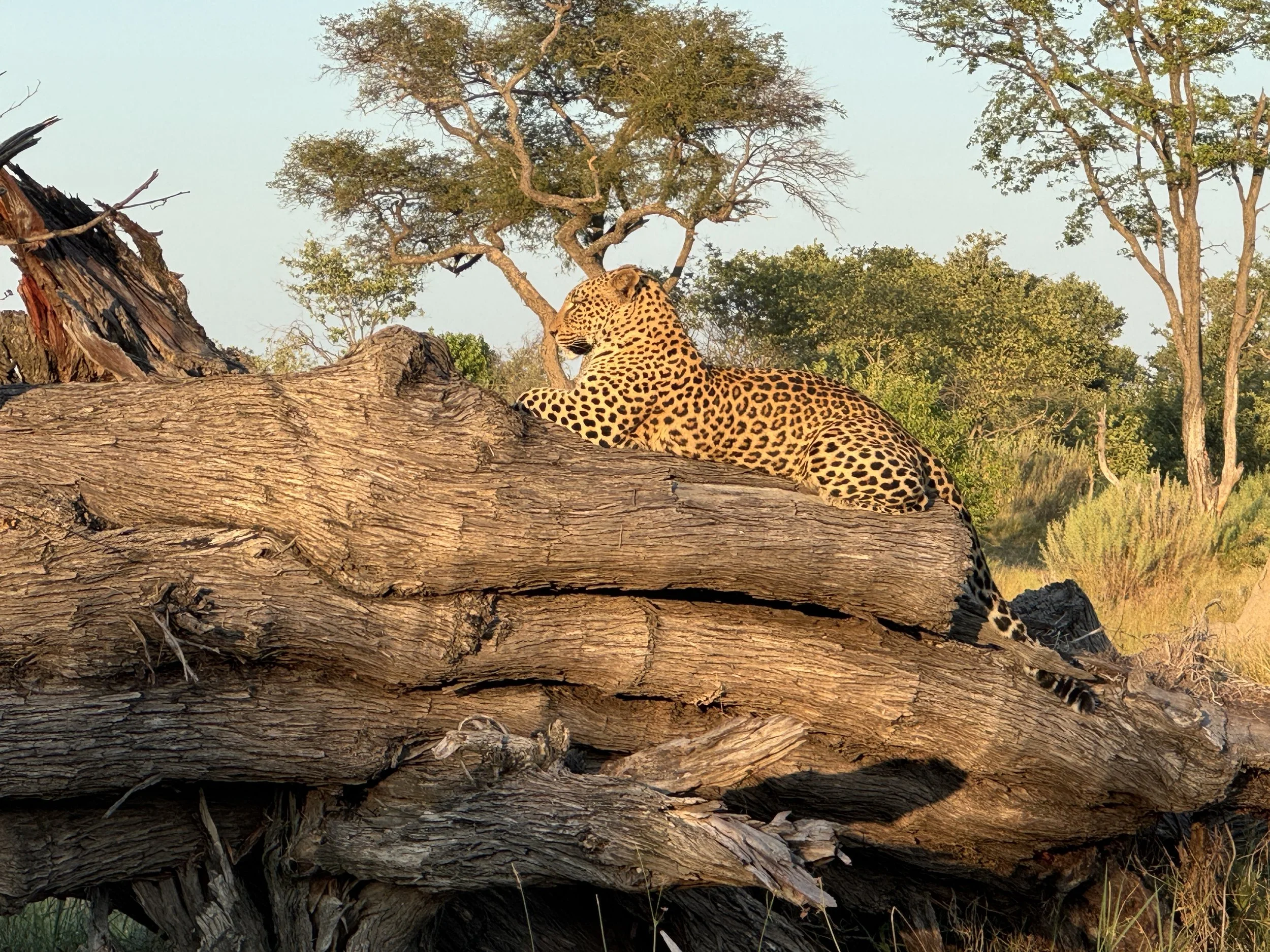
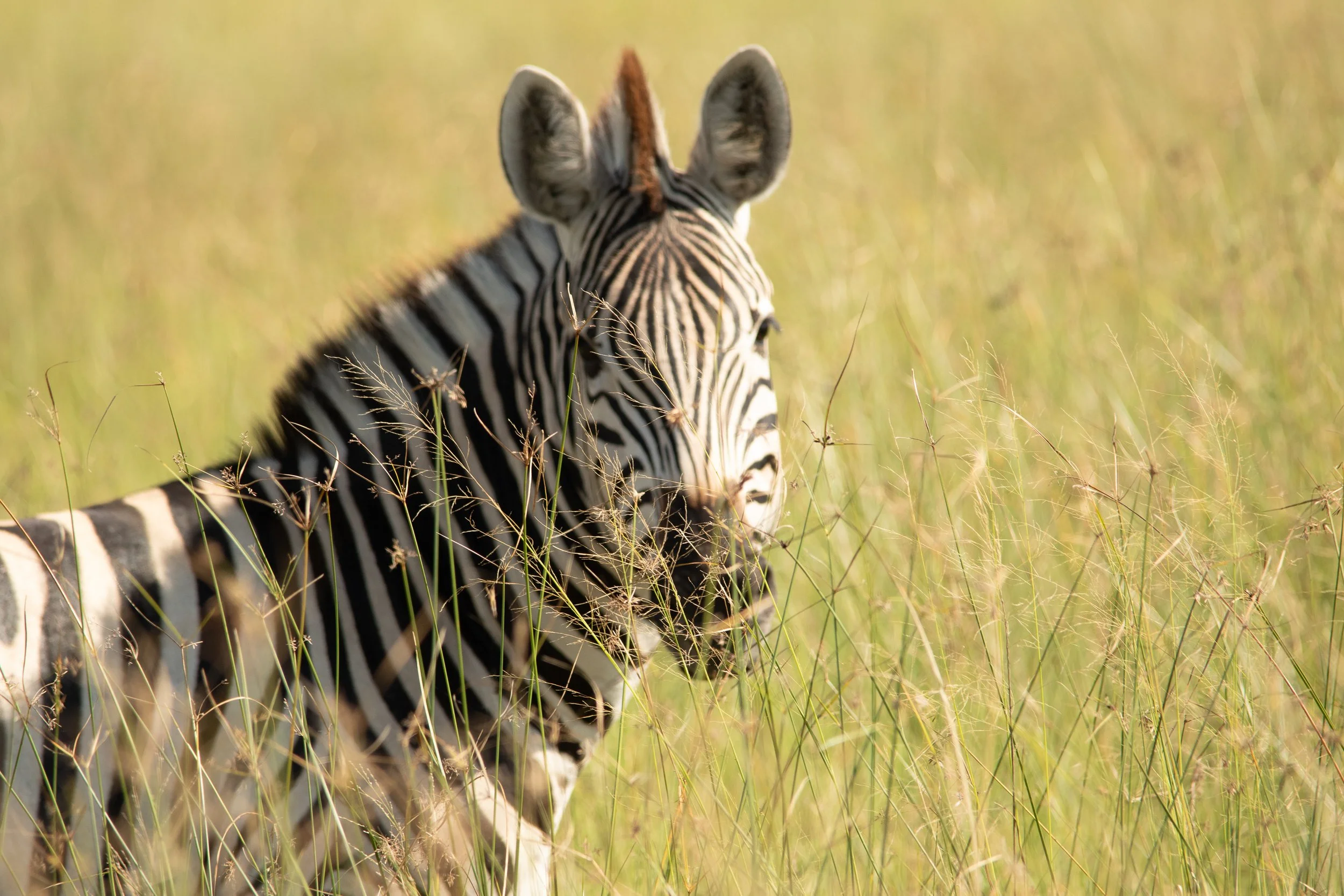
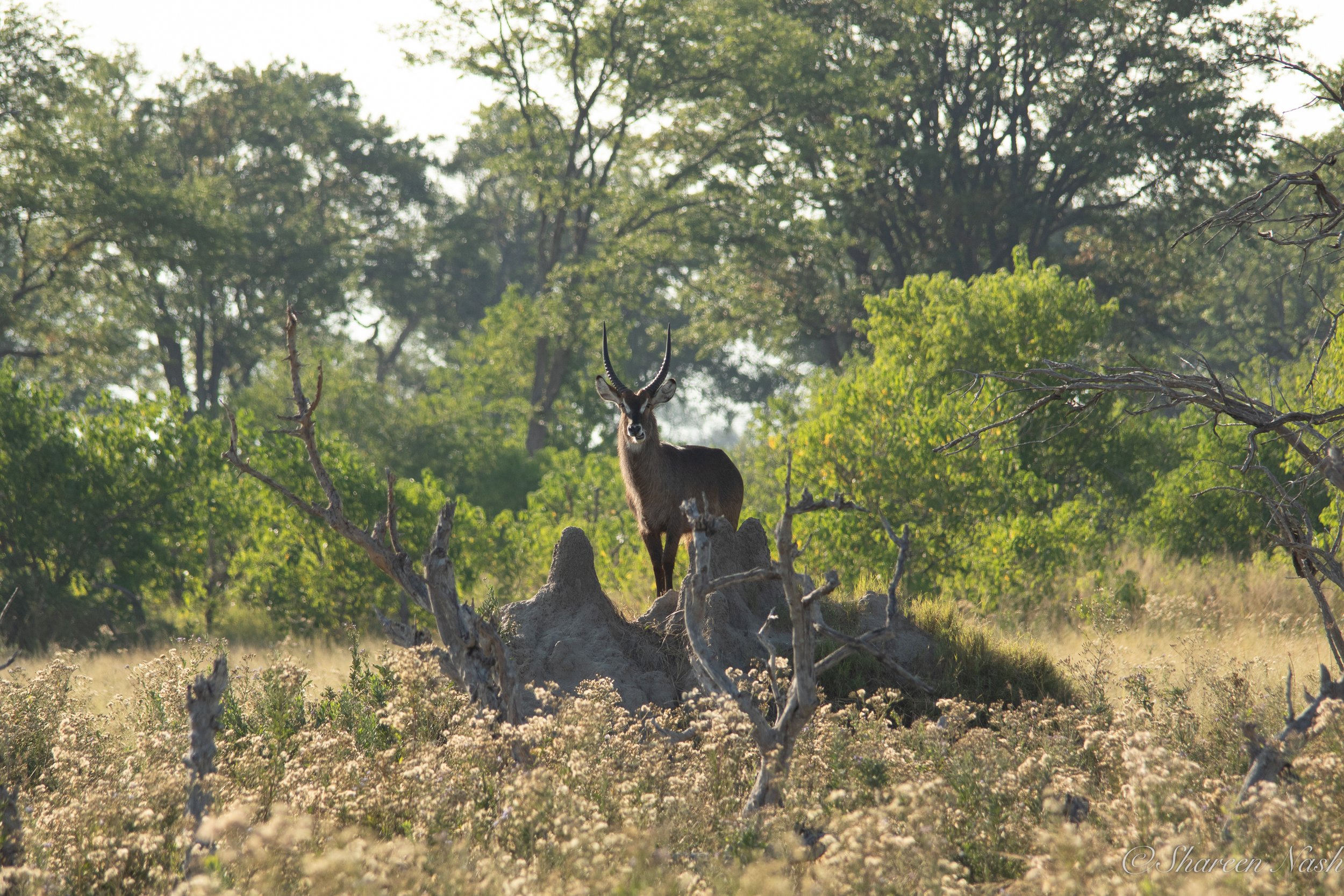
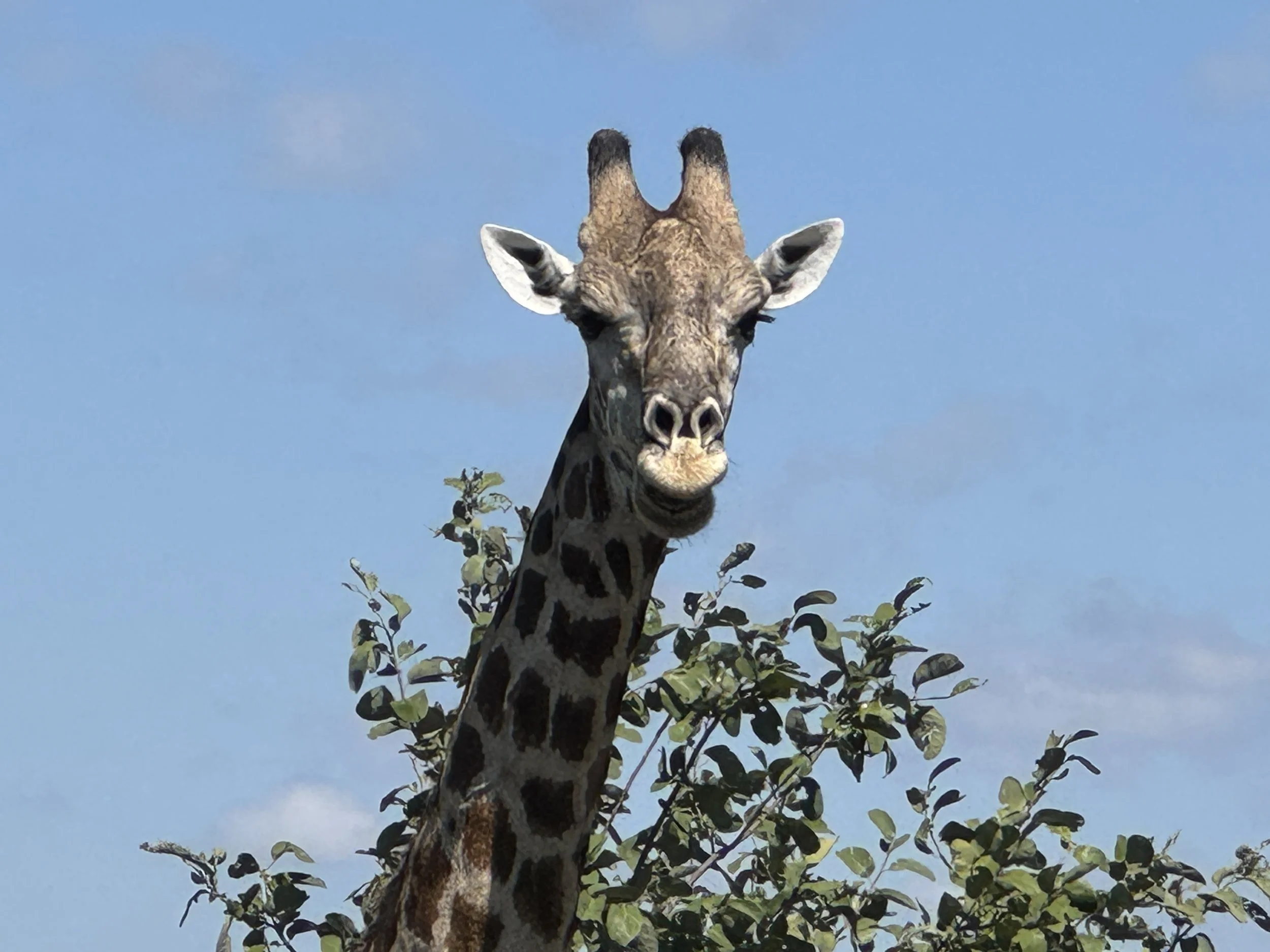
Wildlife: The south-east mopane veld is home to mostly breeding herds of elephant whilst the more northern reaches of Mababe is home to some impressive old bulls. The mature bulls revel in the cool waters of the Khwai River and are far more approachable while drinking and bathing than the breeding herds. The river has an unusually high density of hippo as well as some huge crocodile. Leopard- (western part of NG41), cheetah, serval and lion are common predators along this route and both Xakanaxa as well as Mababe are included in the home ranges of different packs of wild dog. General game includes southern giraffe, Burchell’s zebra, tsessebe and red lechwe with roan and sable antelope being less common residents.
Birding: In the mopane woodlands African Hawk-Eagle, Tawny Eagle, Gabar Goshawk, Little Sparrowhawk, African Harrier Hawk and Shikra are common raptors. Mixed bird parties move through the canopy and include Red-headed Weaver, Stierling’s Wren-Warbler, Scarlet-chested Sunbird, Neddicky, Yellow-breasted Apalis, Chin-spot Batis, Diederik Cuckoo* to name but a few. The verges of the swamp form breeding grounds for the Rosy-Longclaw, Black Coucal*, Long-legged Bustard and the African Crake*
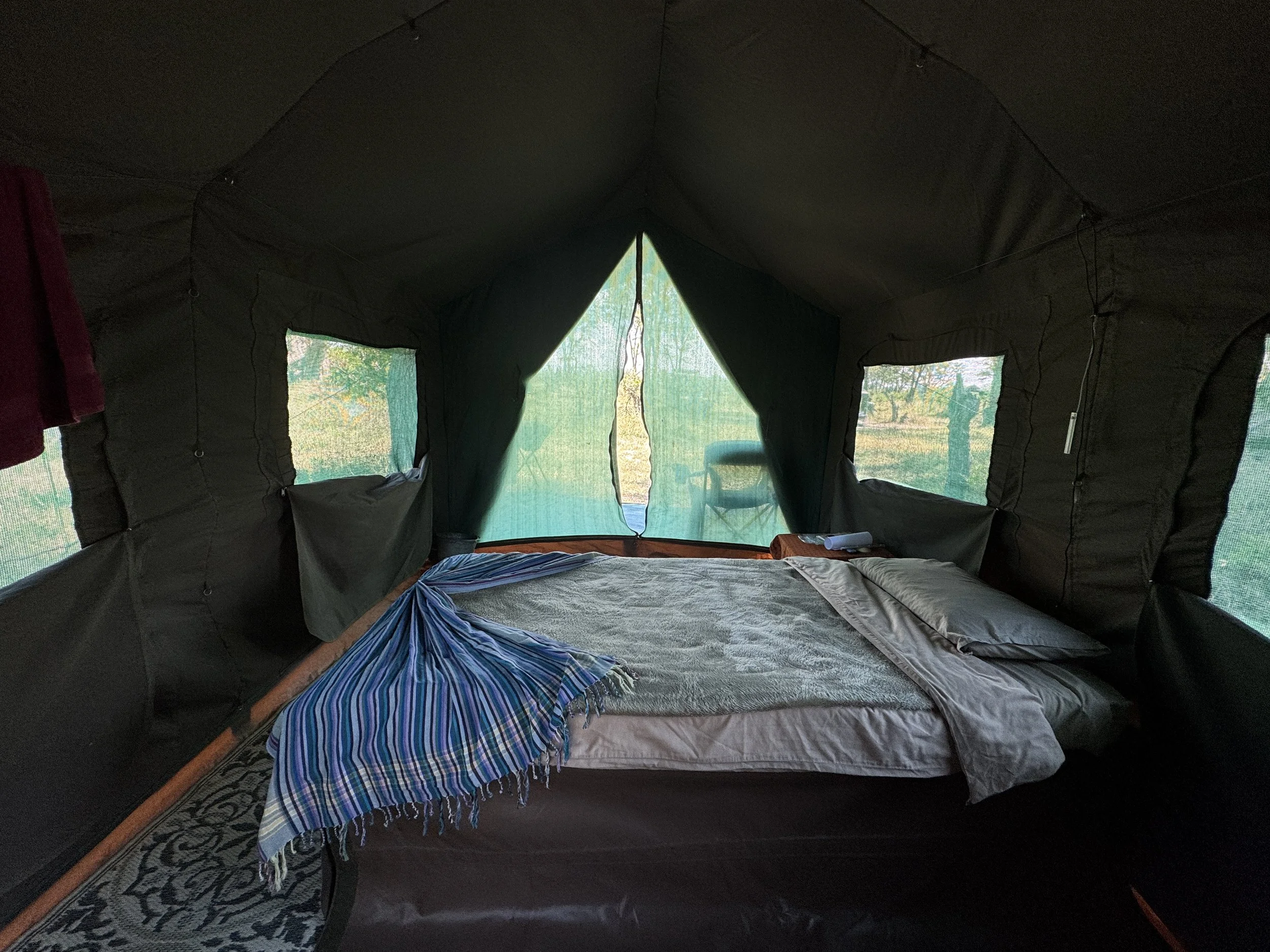
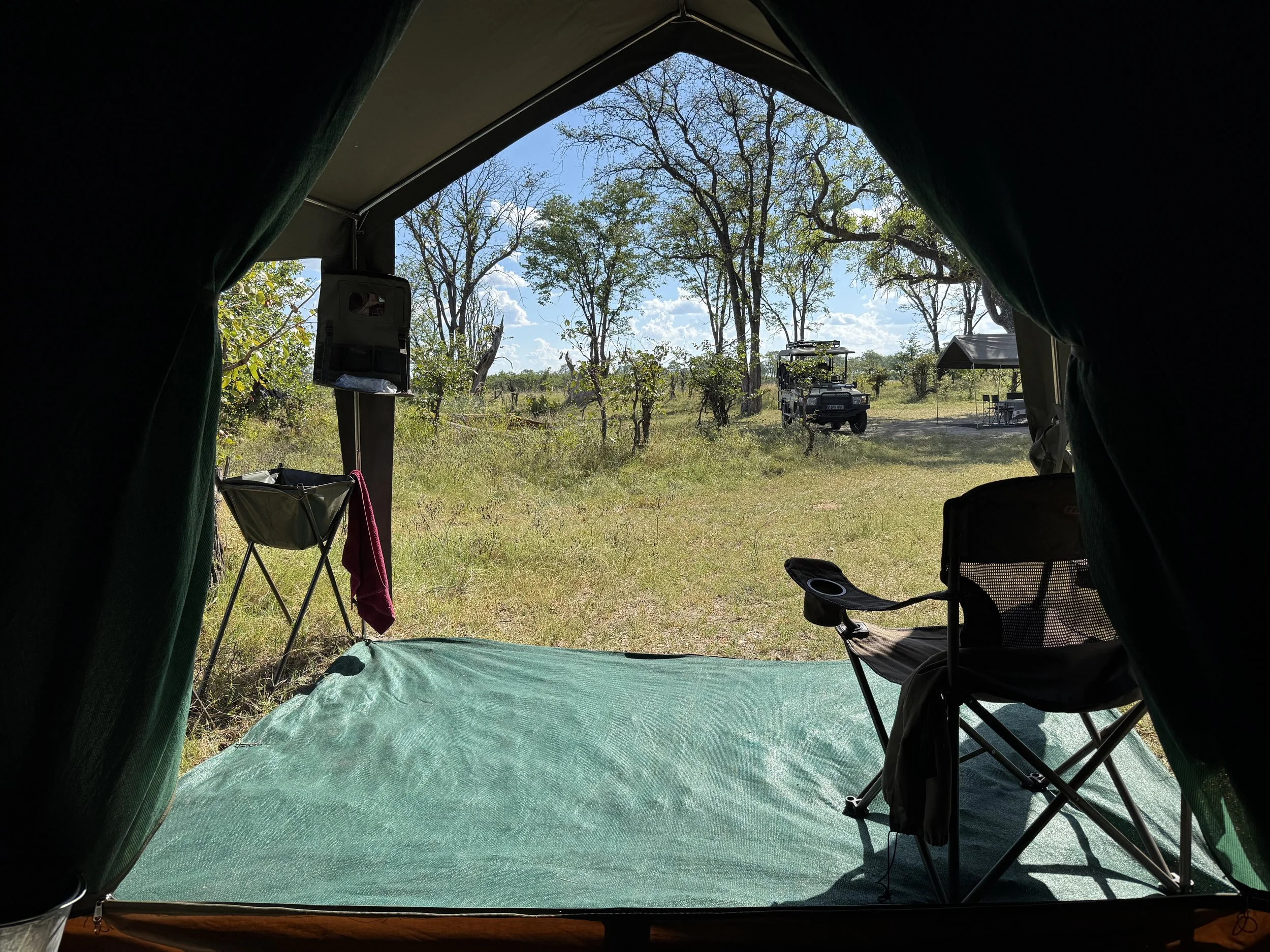
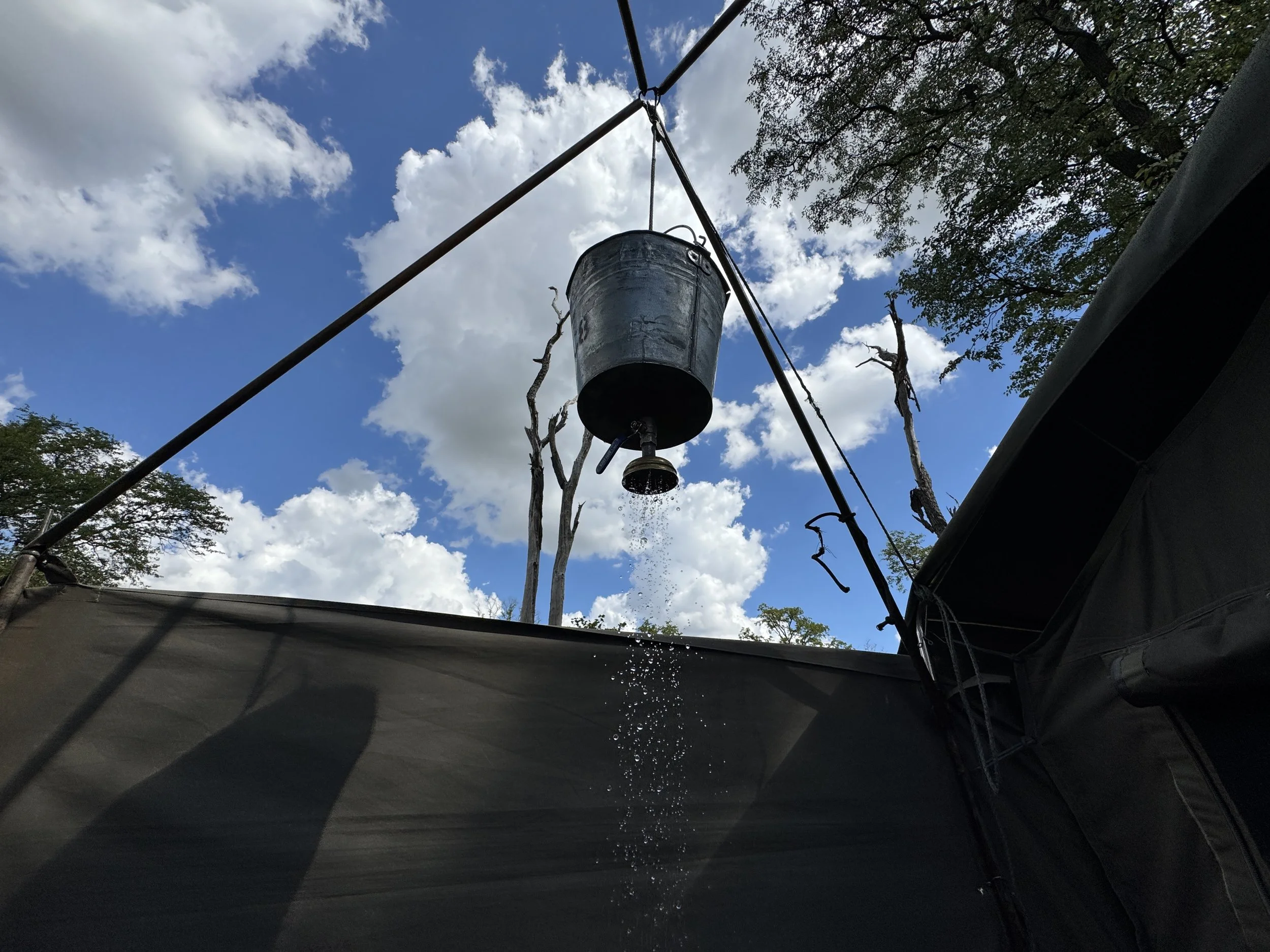
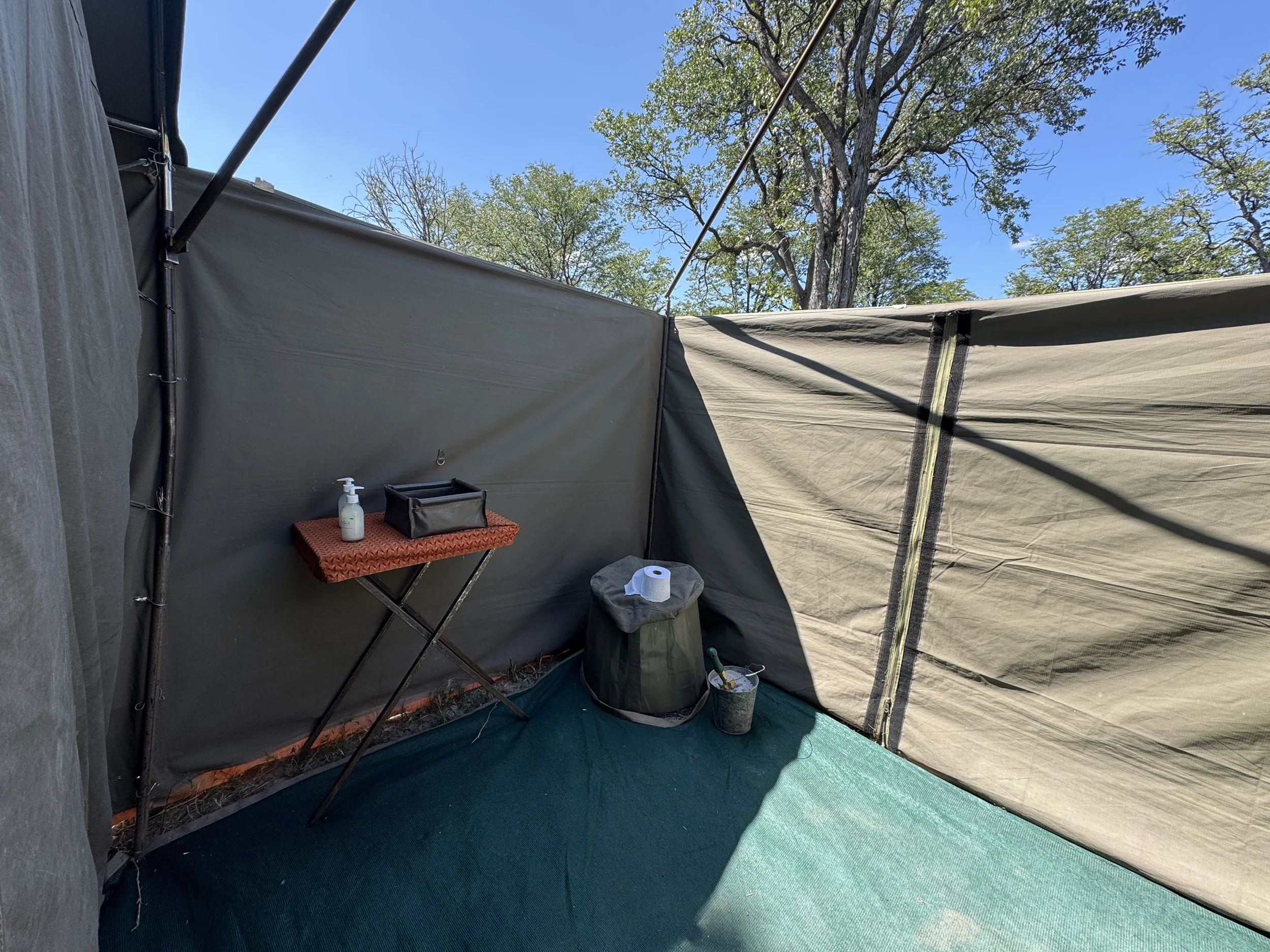
Accommodation: Letaka Tented Camp. Activities: Game drive and night drive
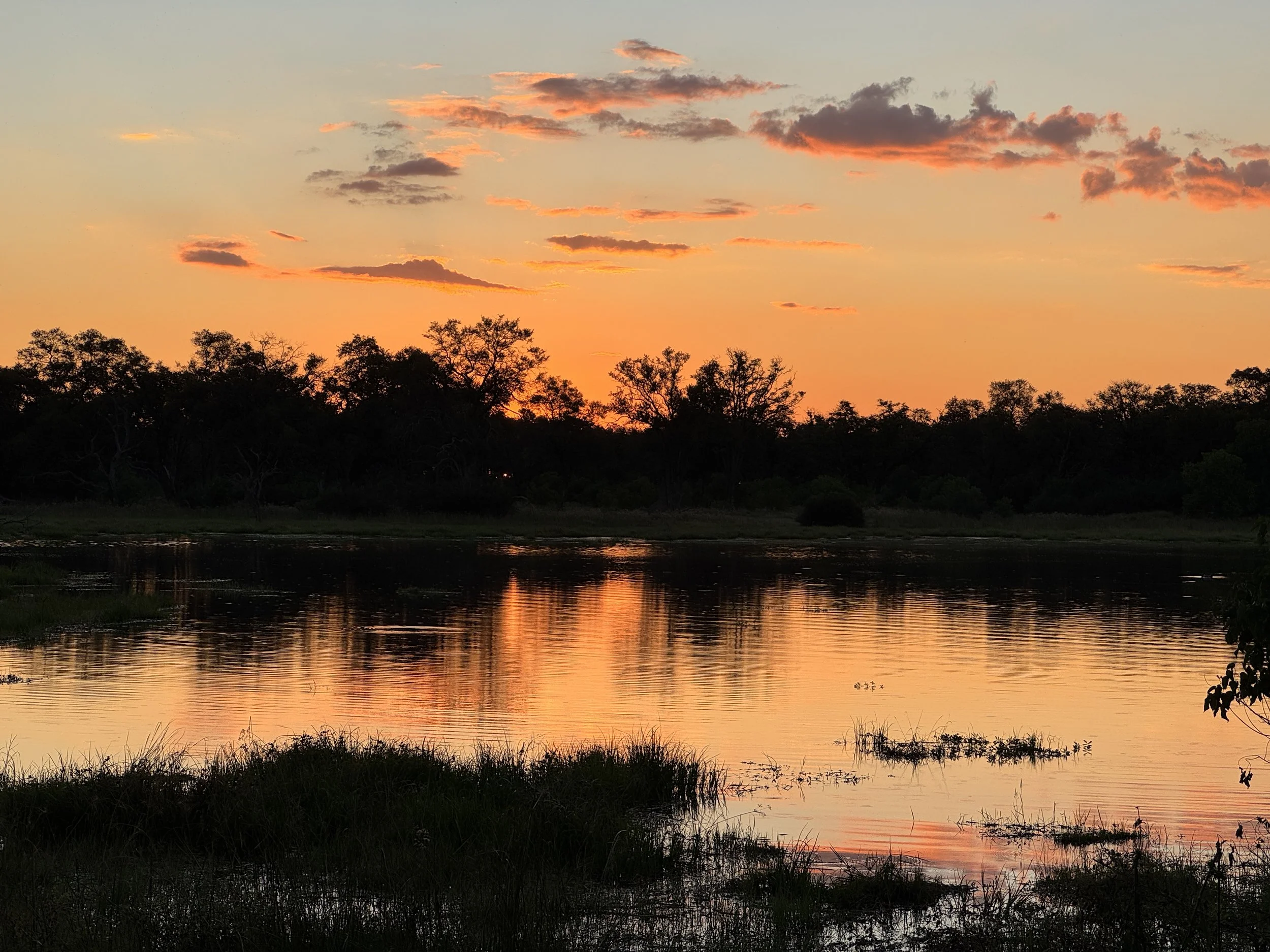
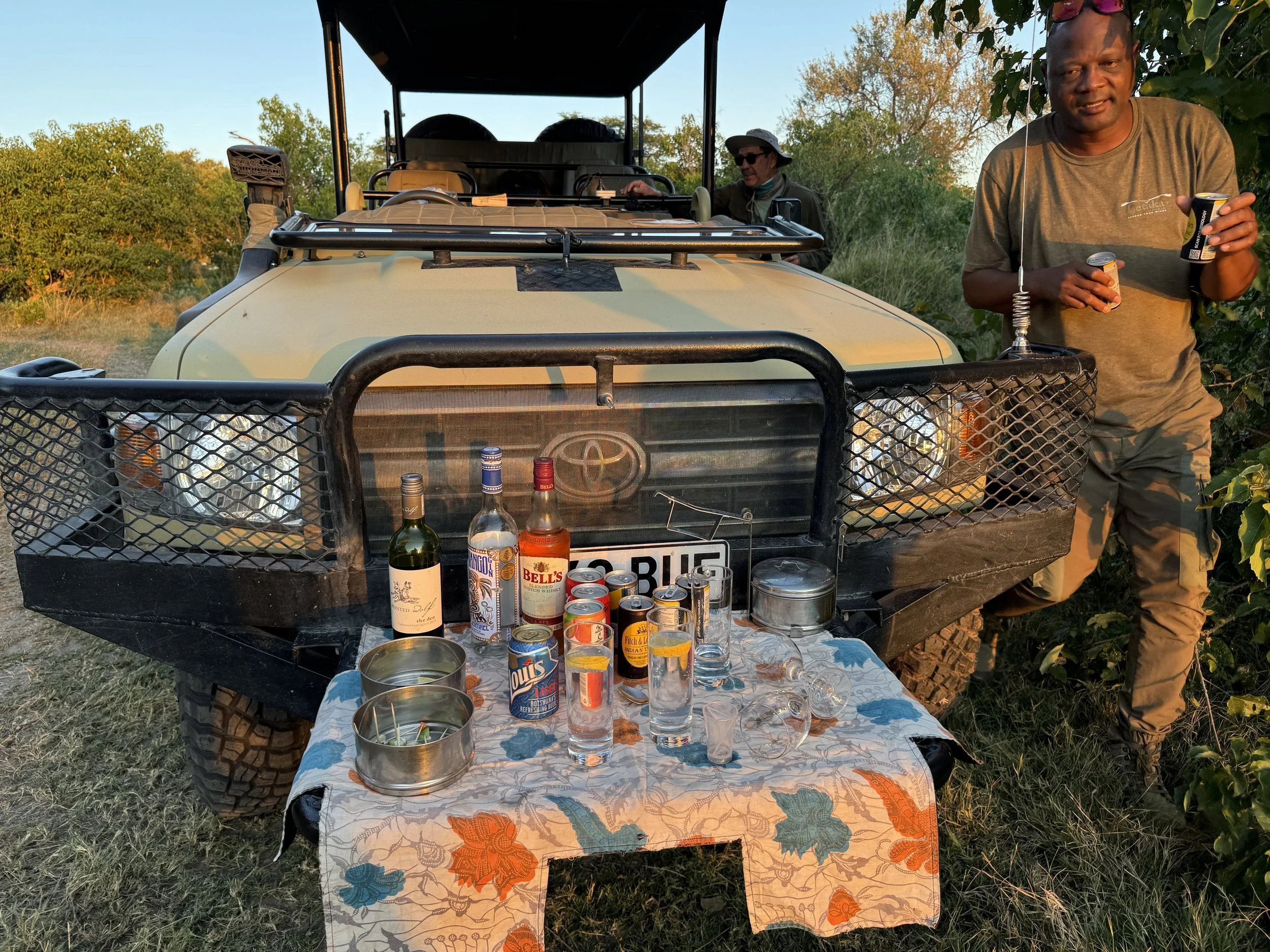
Thursday 10th & Friday 11th September
Days 5 & 6 Moremi Exploration Days – Moremi Game Reserve
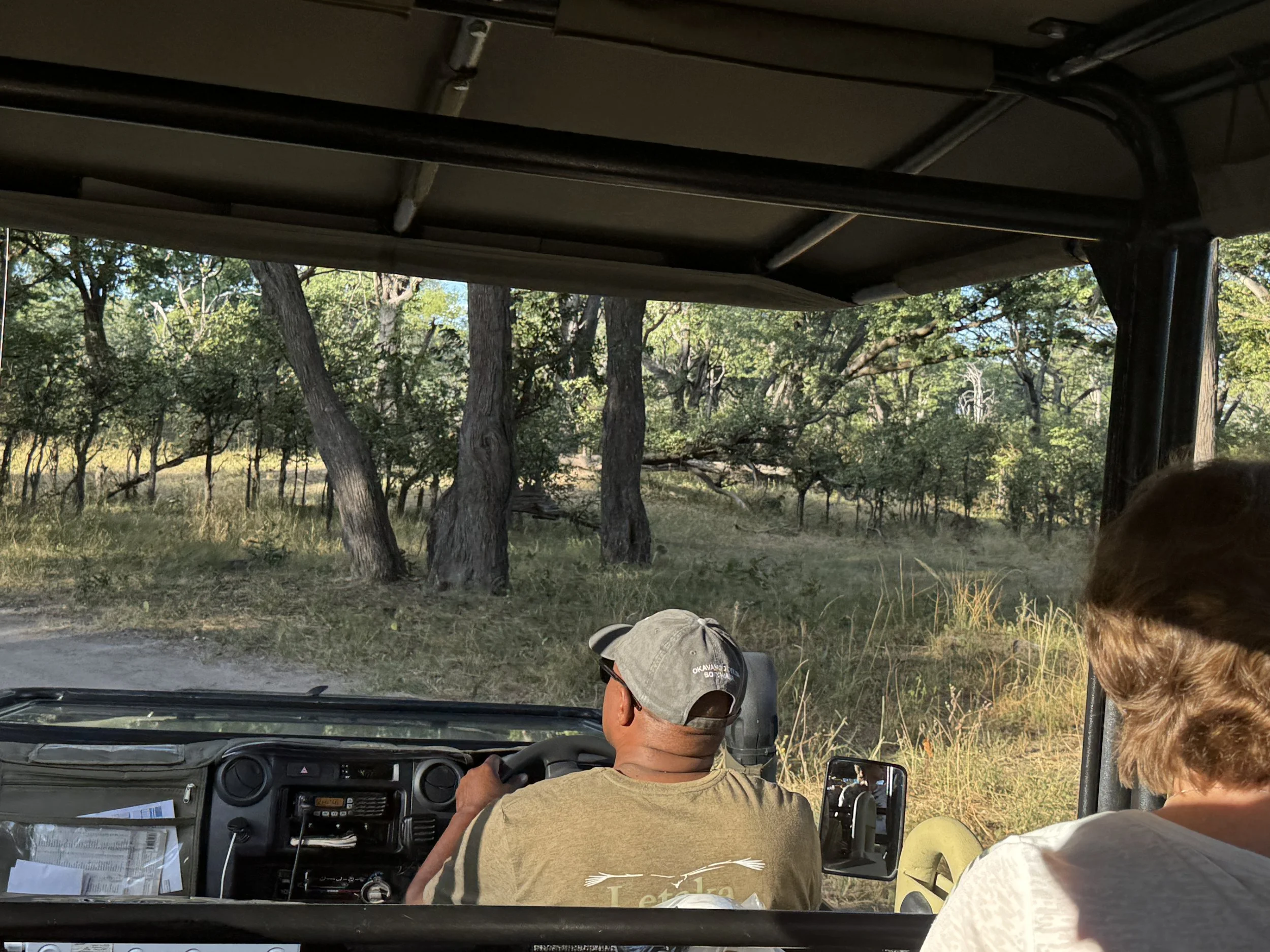
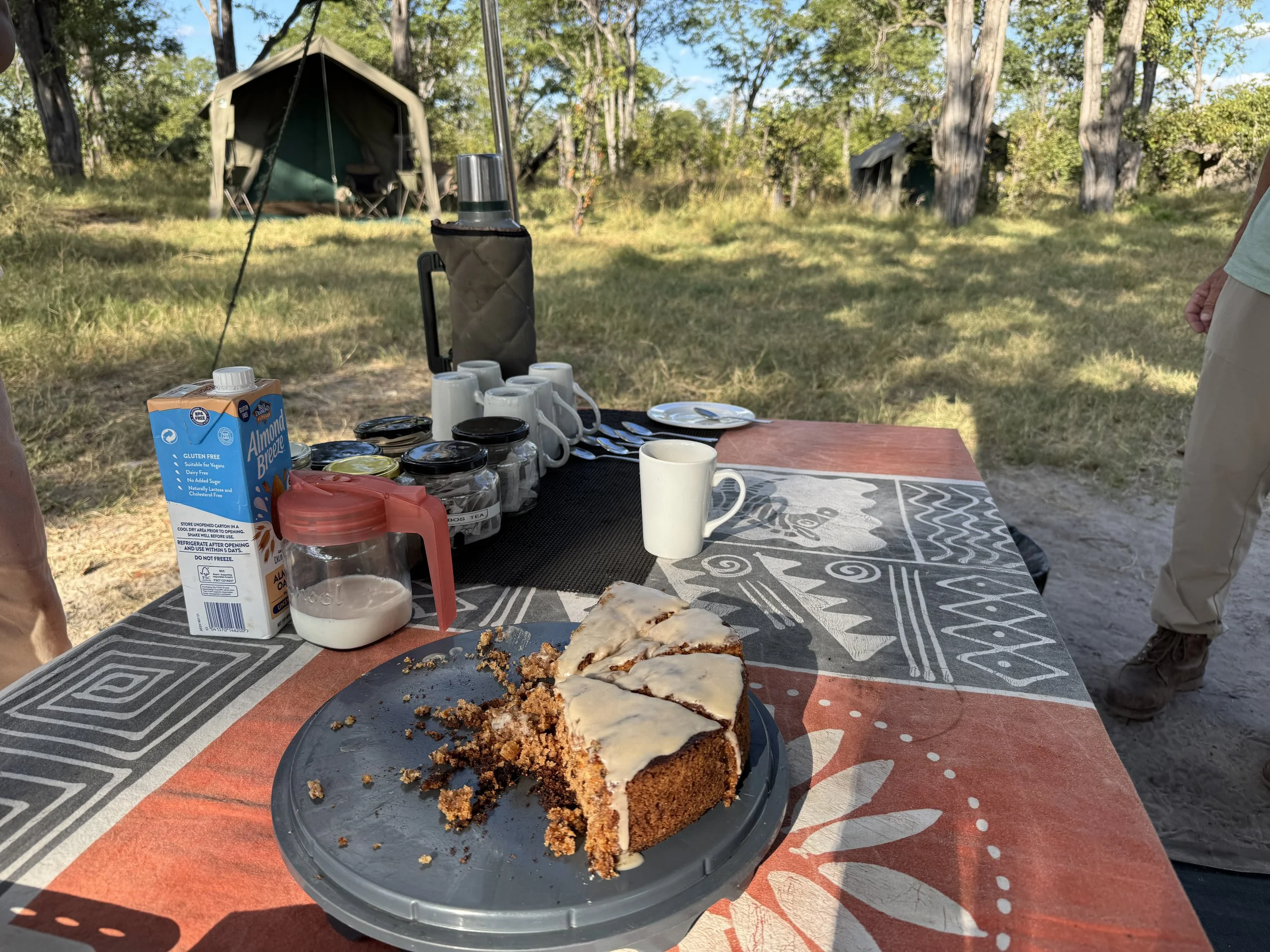
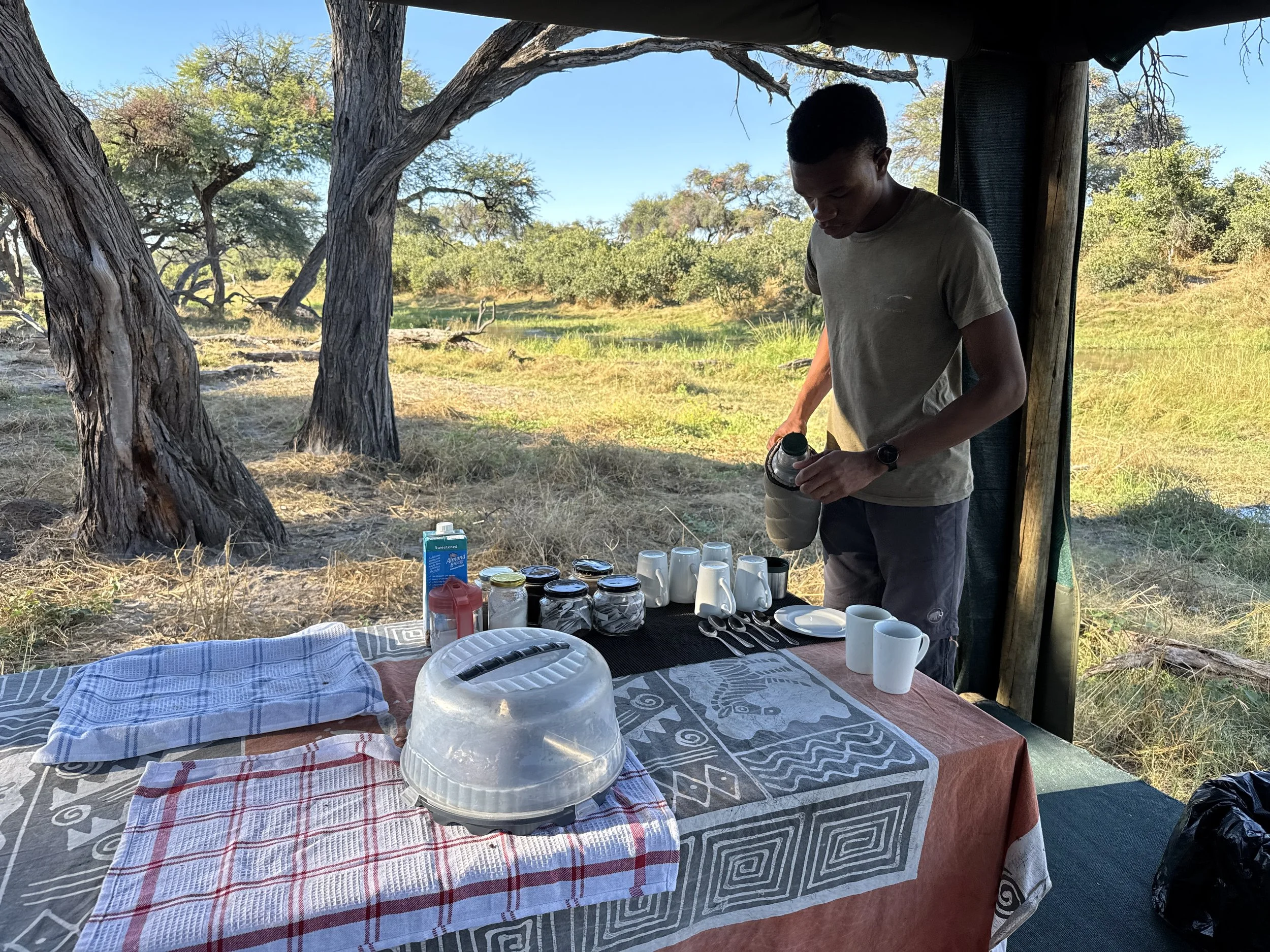
The Khwai River meanders through the concession giving ample riverside routes to explore. We spend the following two nights camping at an exclusive campsite in the Mababe concession that has a strict max of 20 vehicles for the whole concession at any given time, exploring the river banks, Kalahari shrub to the east, cathedral mopane to the south on game drives both during the day and at night. Exploring after dark with spotlights offers you an opportunity to experience some of the nocturnal animals that are rarely encountered during the day.
We will also have the opportunity to explore the surrounding wilderness on foot (please note that this activity is seasonal based on rains and grass height, your guide will determine the safety of walking in Mababe) to enjoy an up close and personal encounter with Botswana’s flora and fauna. It is important to note that night drives and guided walks are not permitted within the national parks and reserves. These activities are conducted outside the boundaries of the Moremi Game Reserve in the Mababe Private Reserve.
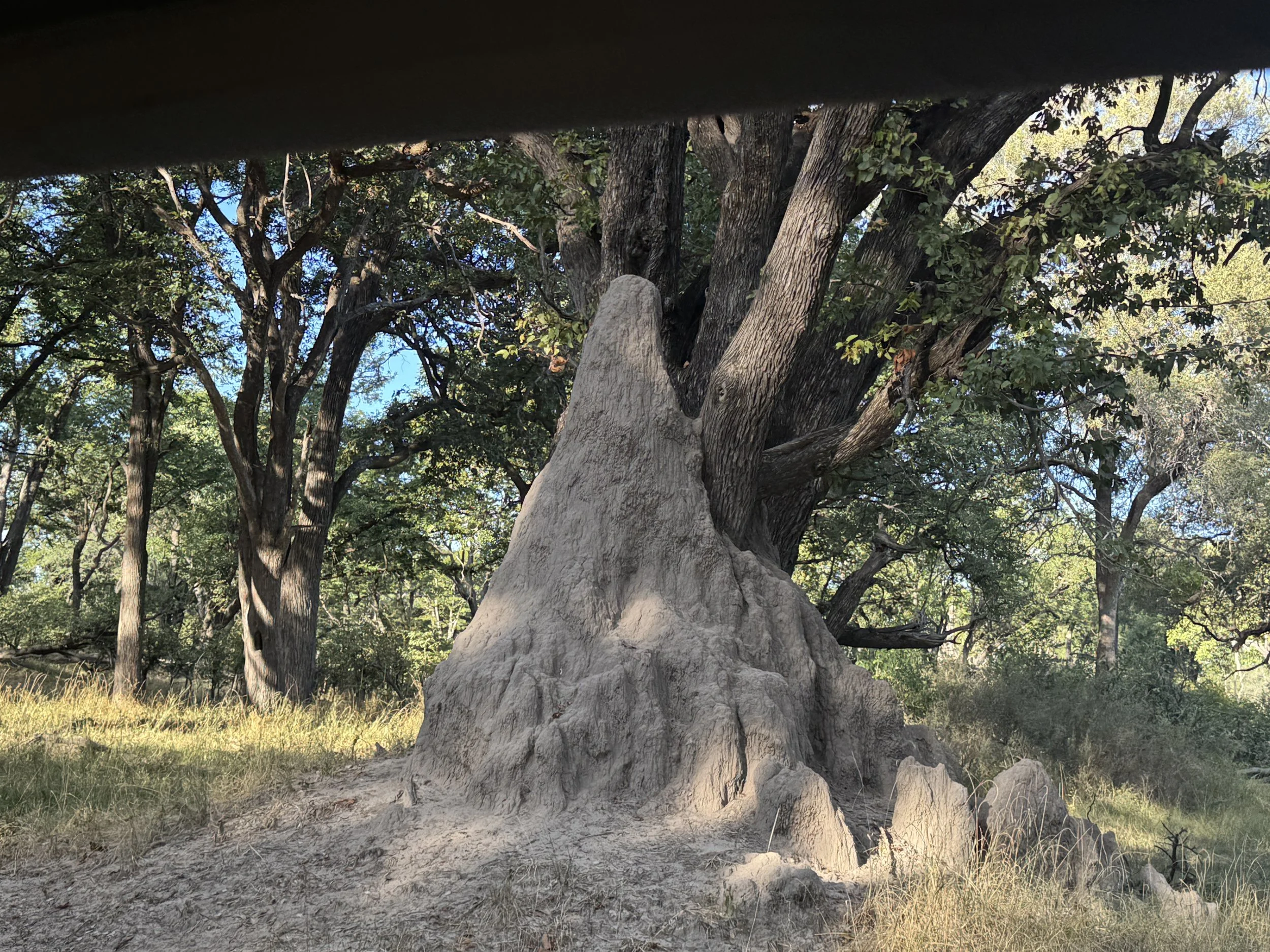
Habitat: We spend our time between the dry-land habitats of the lead-wood and camel-thorn woodlands and savannahs and the riverside banks of the Khwai River, as well as the “mini-CKGR” habitat in the western parts of the concession.
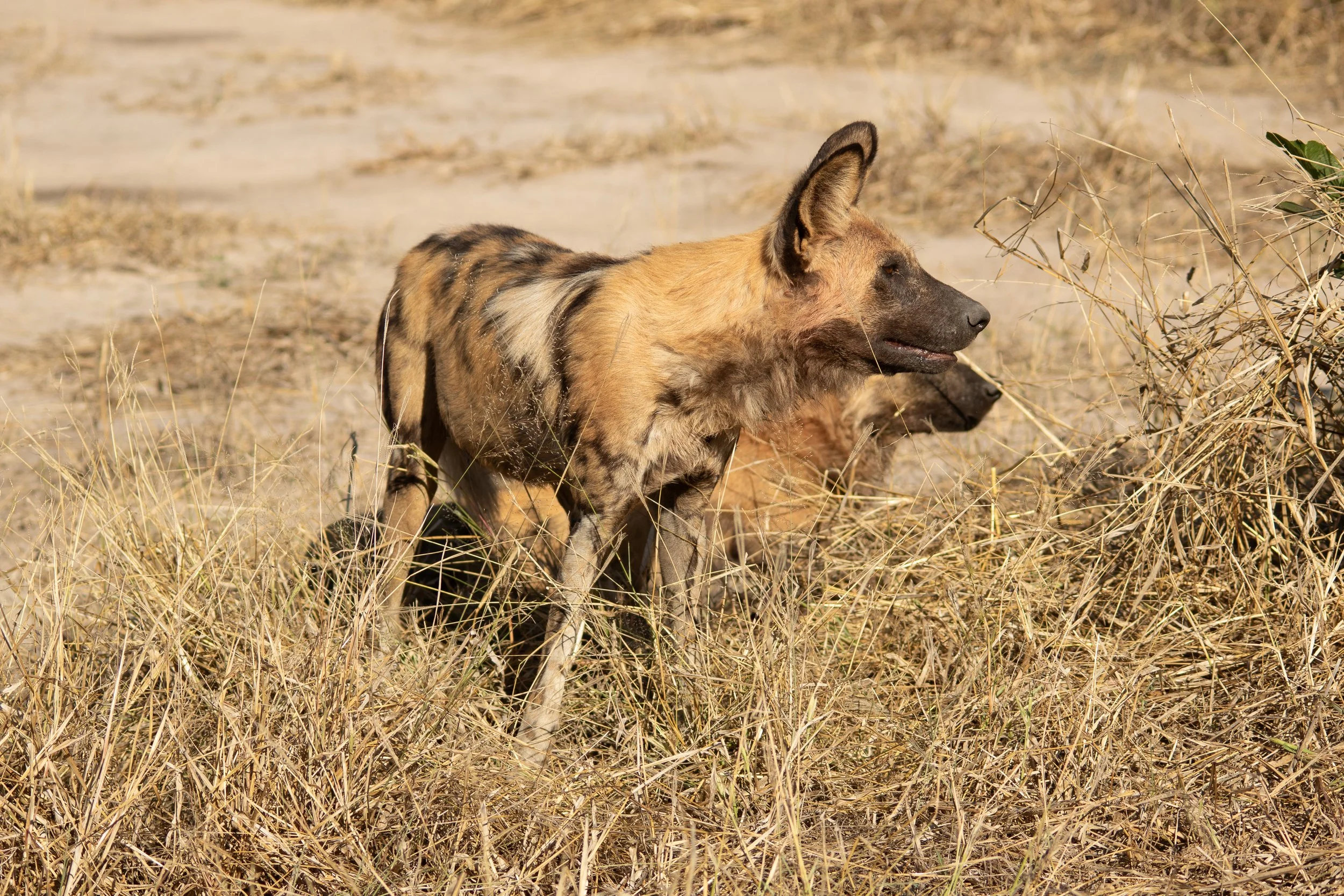
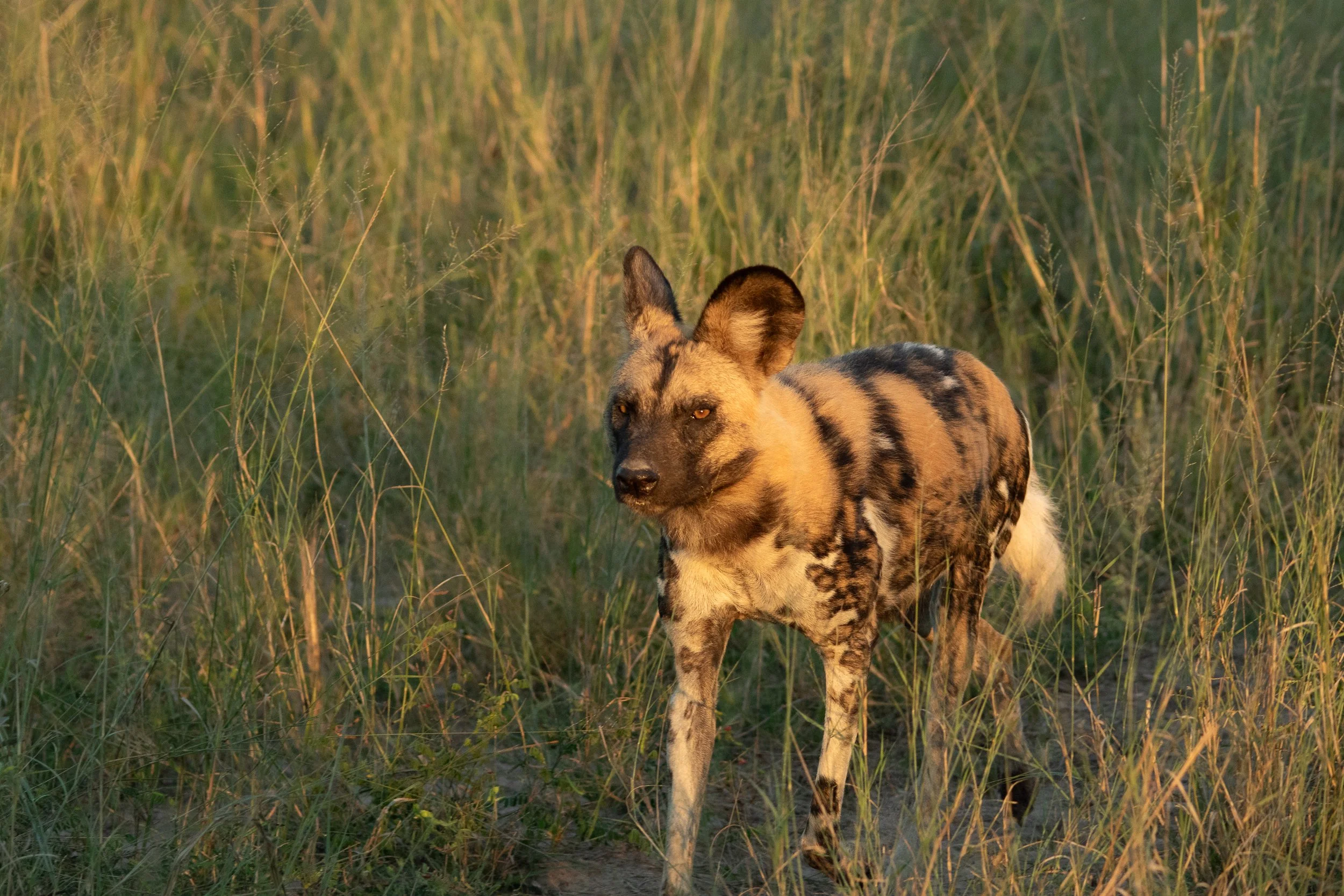
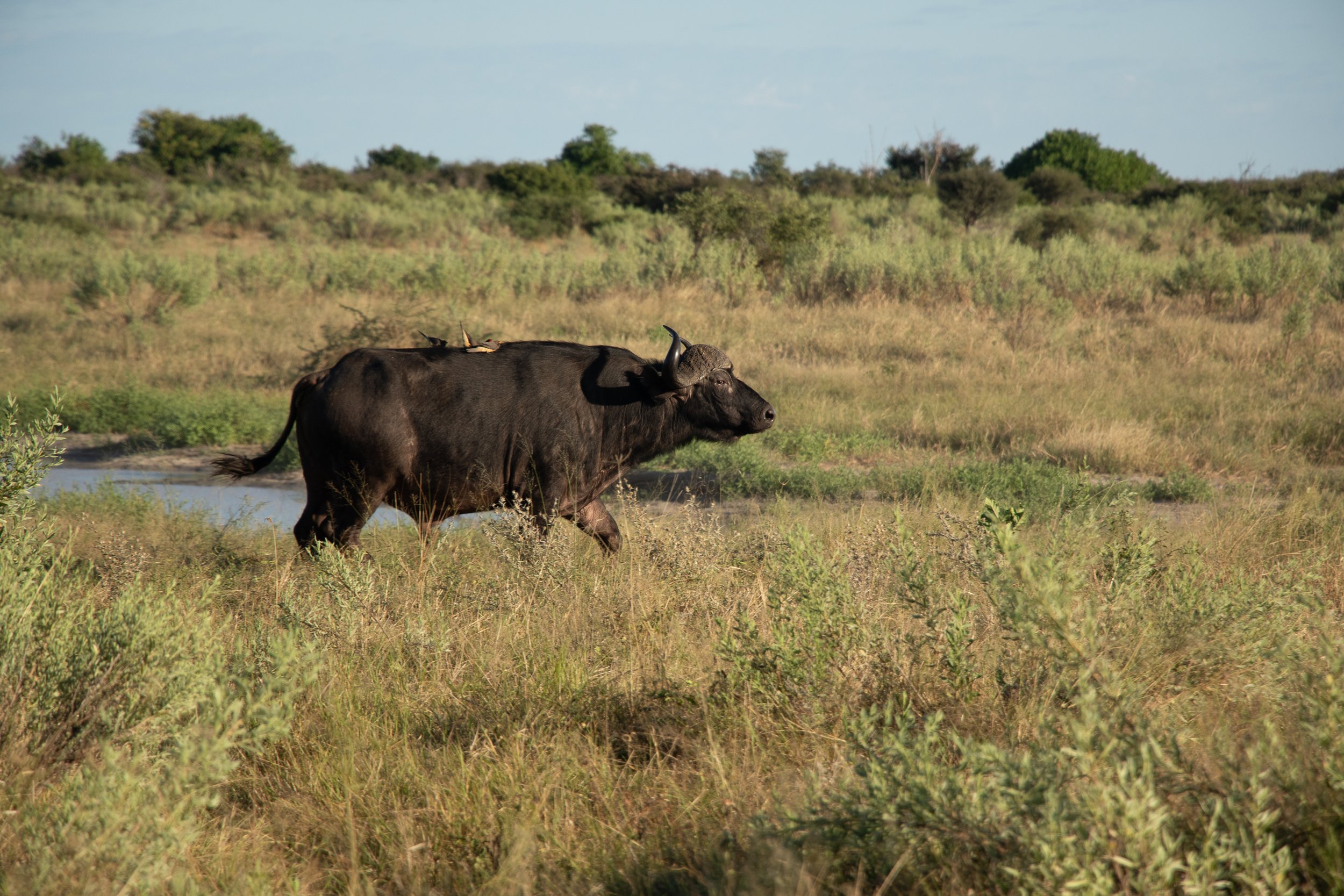
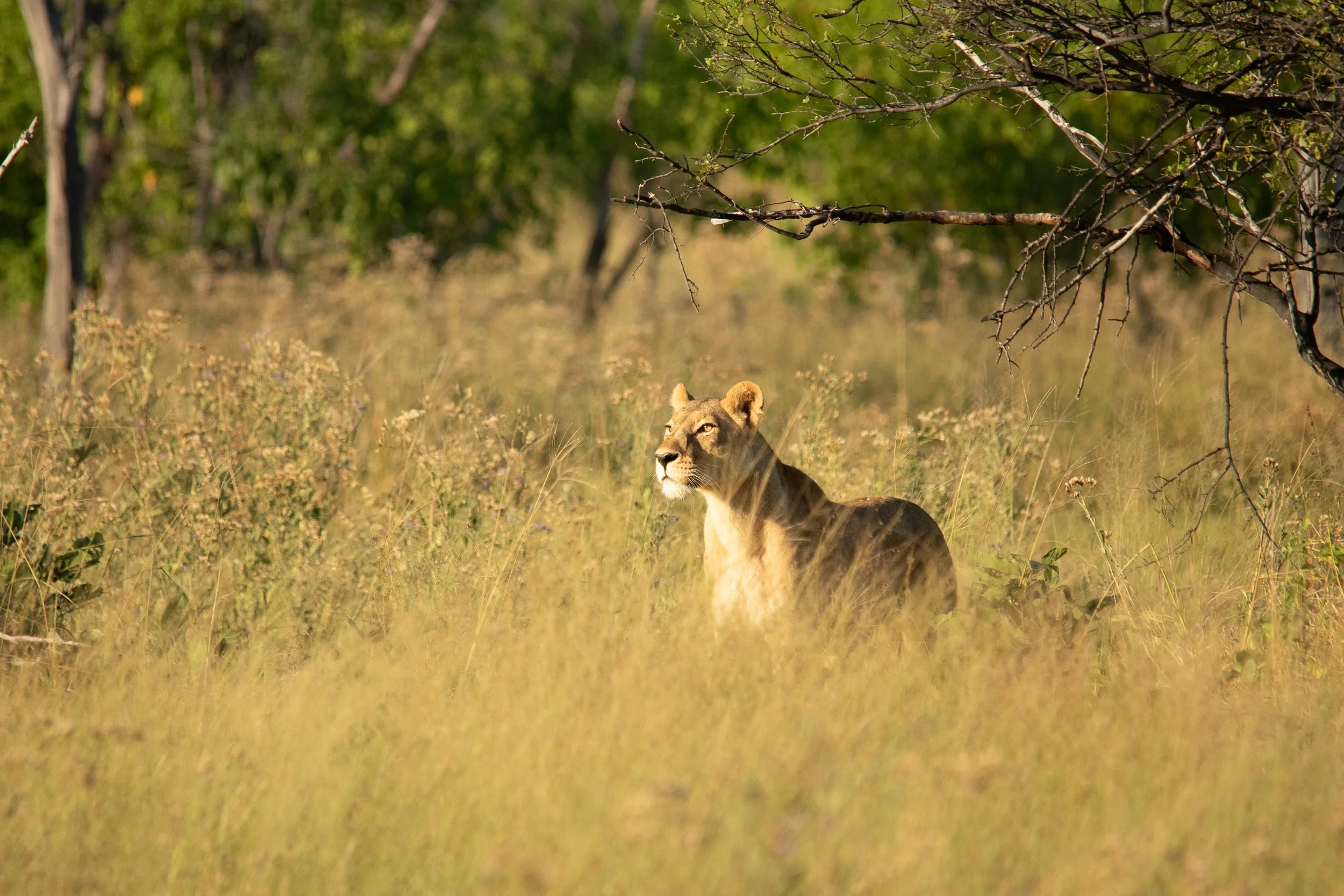
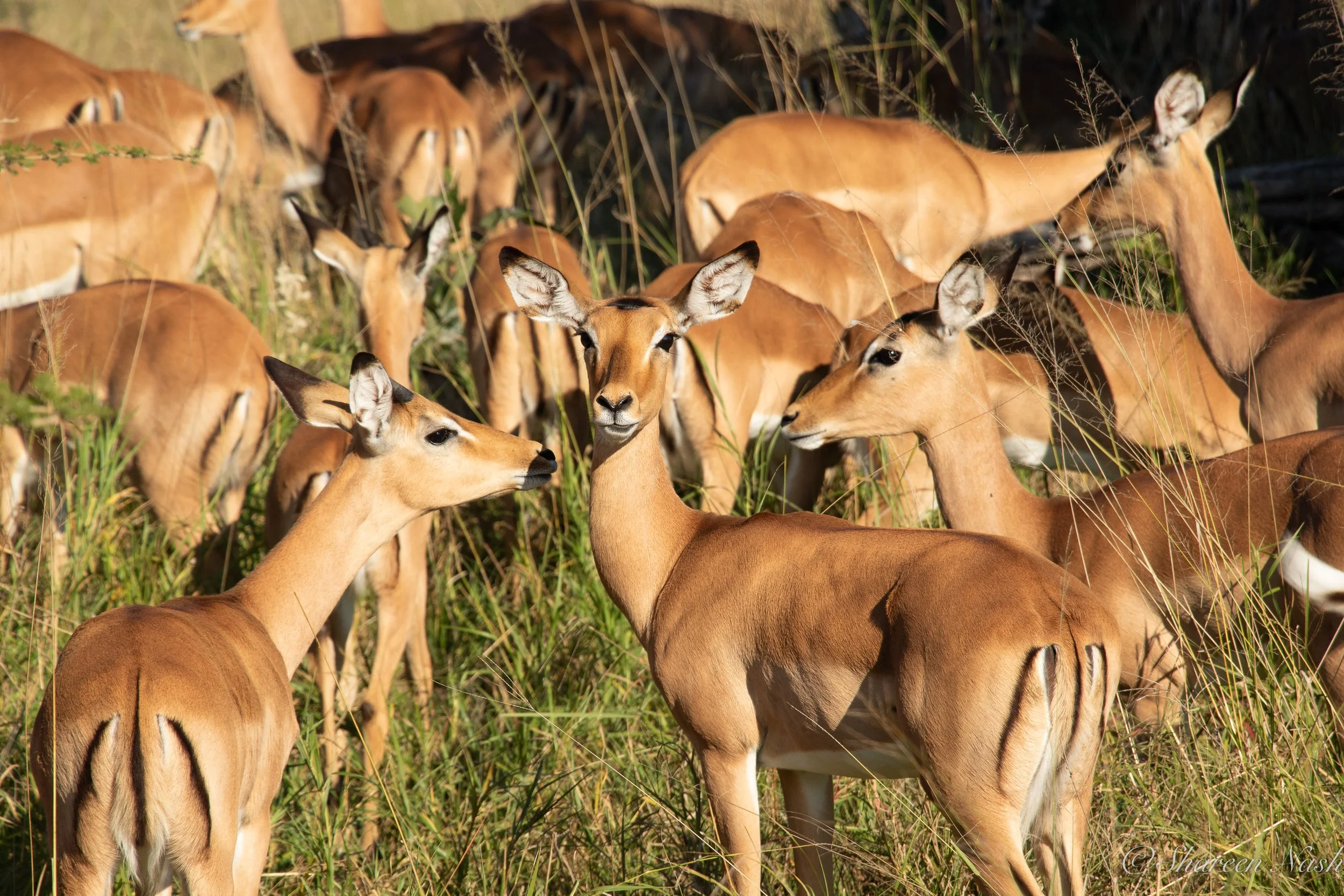
Wildlife: The Mababe region boasts excellent populations of both bull elephant as well as breeding herds. Lion, leopard, serval and African wildcat are common predators of the region with wild dog and cheetah being less common. Buffalo use this area seasonally with large herds moving in during the summer rains. Other ungulates include tsessebe, blue wildebeest, giraffe, kudu, sable antelope, roan antelope and impala, and even eland and oryx in the western parts.
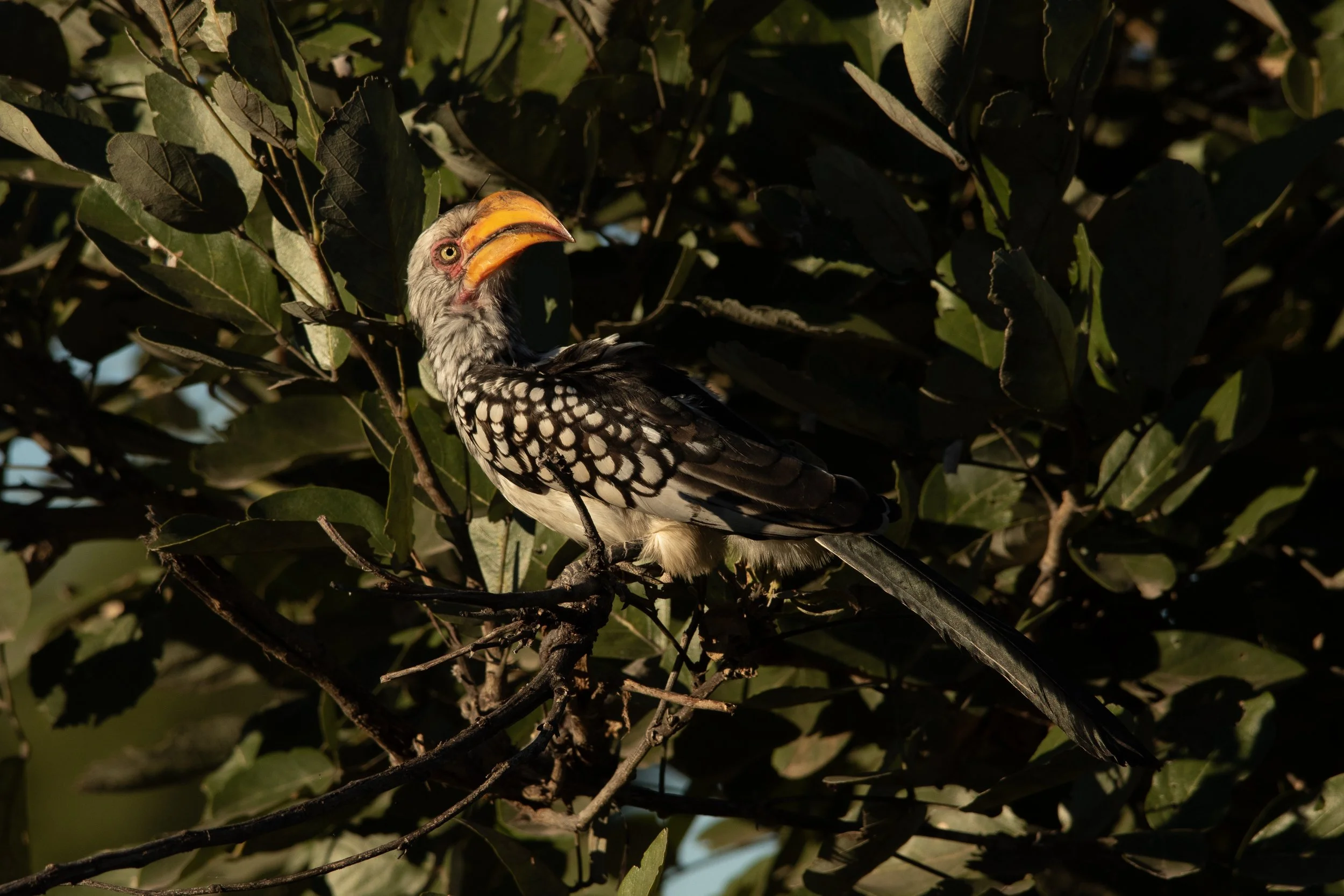
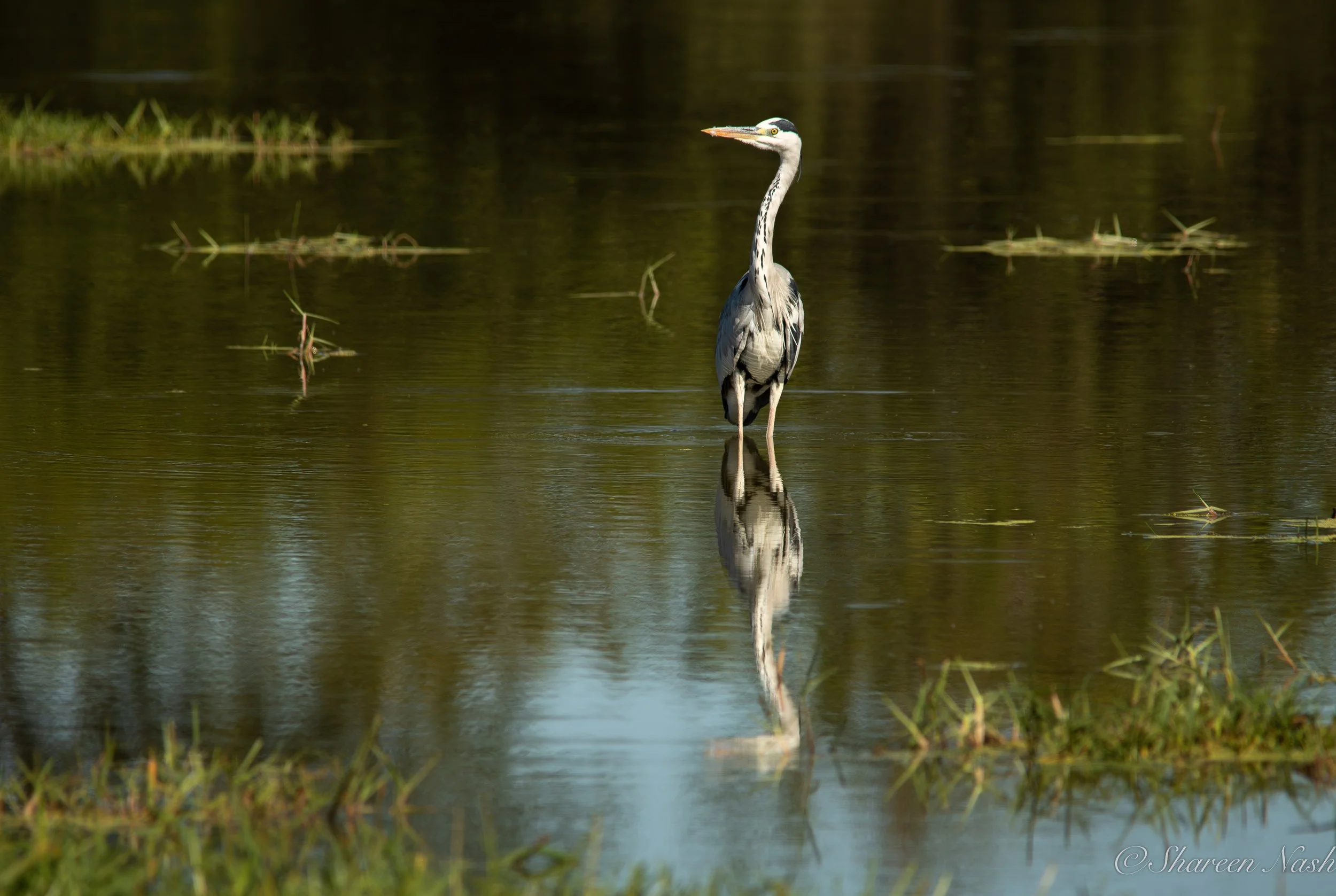
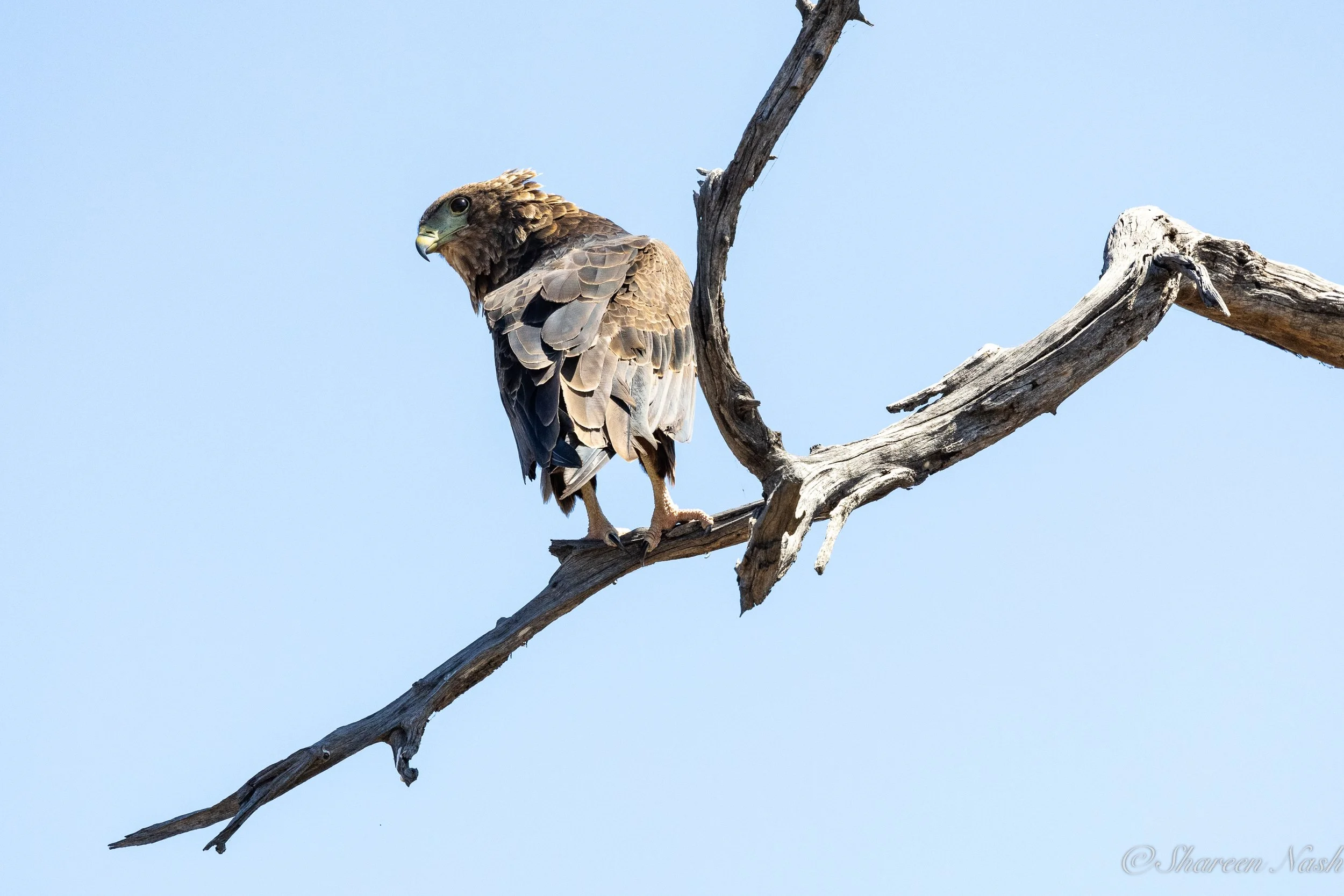
Birding: Botswana’s national bird, the Kori Bustard, is a resident in the lower reaches of the Mababe Depression. The western reaches are prime habitat for the uncommon Rosy-throated Longclaw. The entire length of the river is hunting domain for the Bat-Hawk. Other interesting raptors here are Cuckoo Hawk (rare), Long-crested Eagle and Black Sparrowhawk. More commonly Tawny Eagle, Steppe Eagle*, Lesser-spotted Eagle*, Martial Eagle, Bateleur and African Hawk-Eagle. The waterways host Africa Rail, African Crake*, Greater Painted Snipe, Allen’s Gallinule*, Lesser Jacana and Lesser Moorhen*.
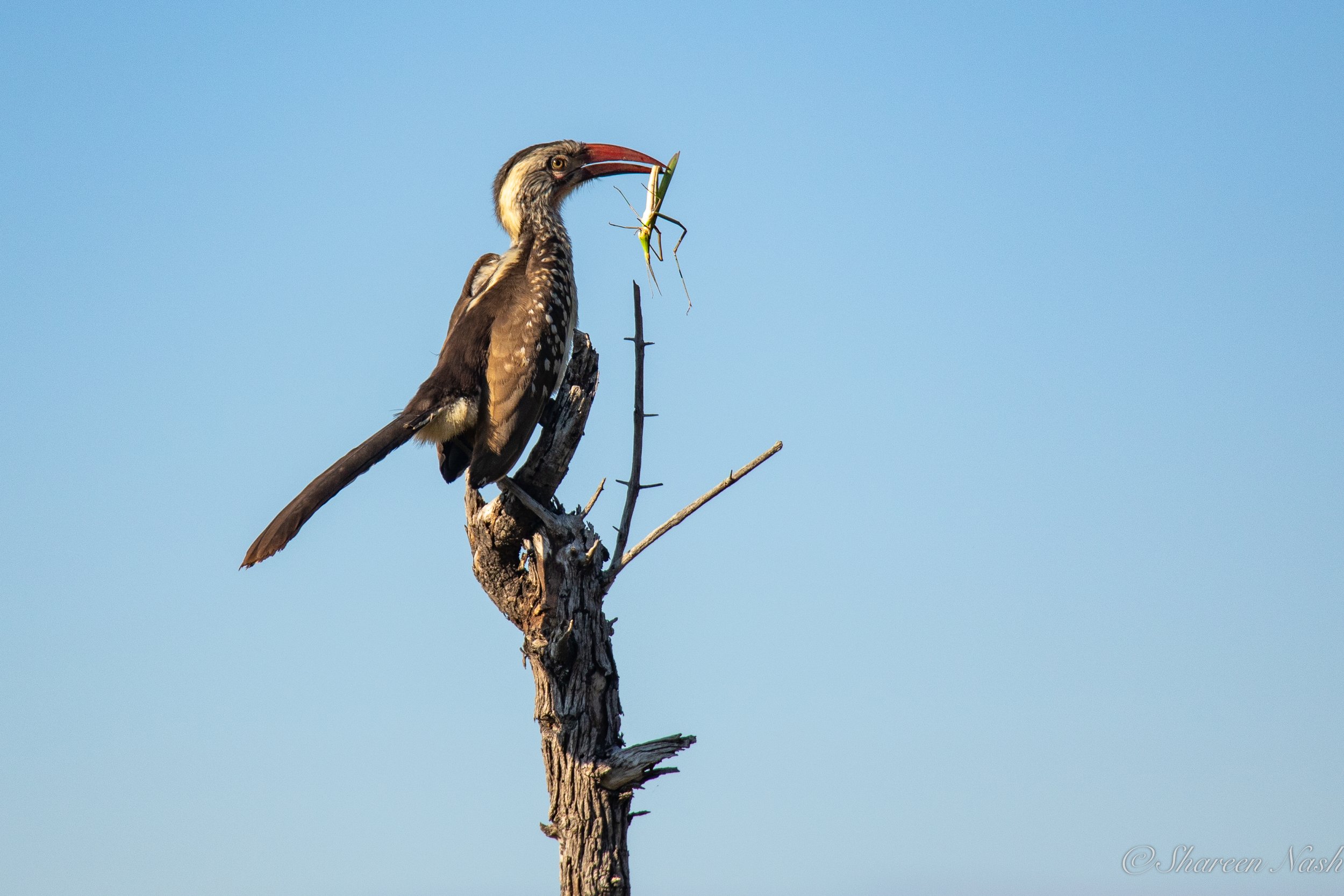
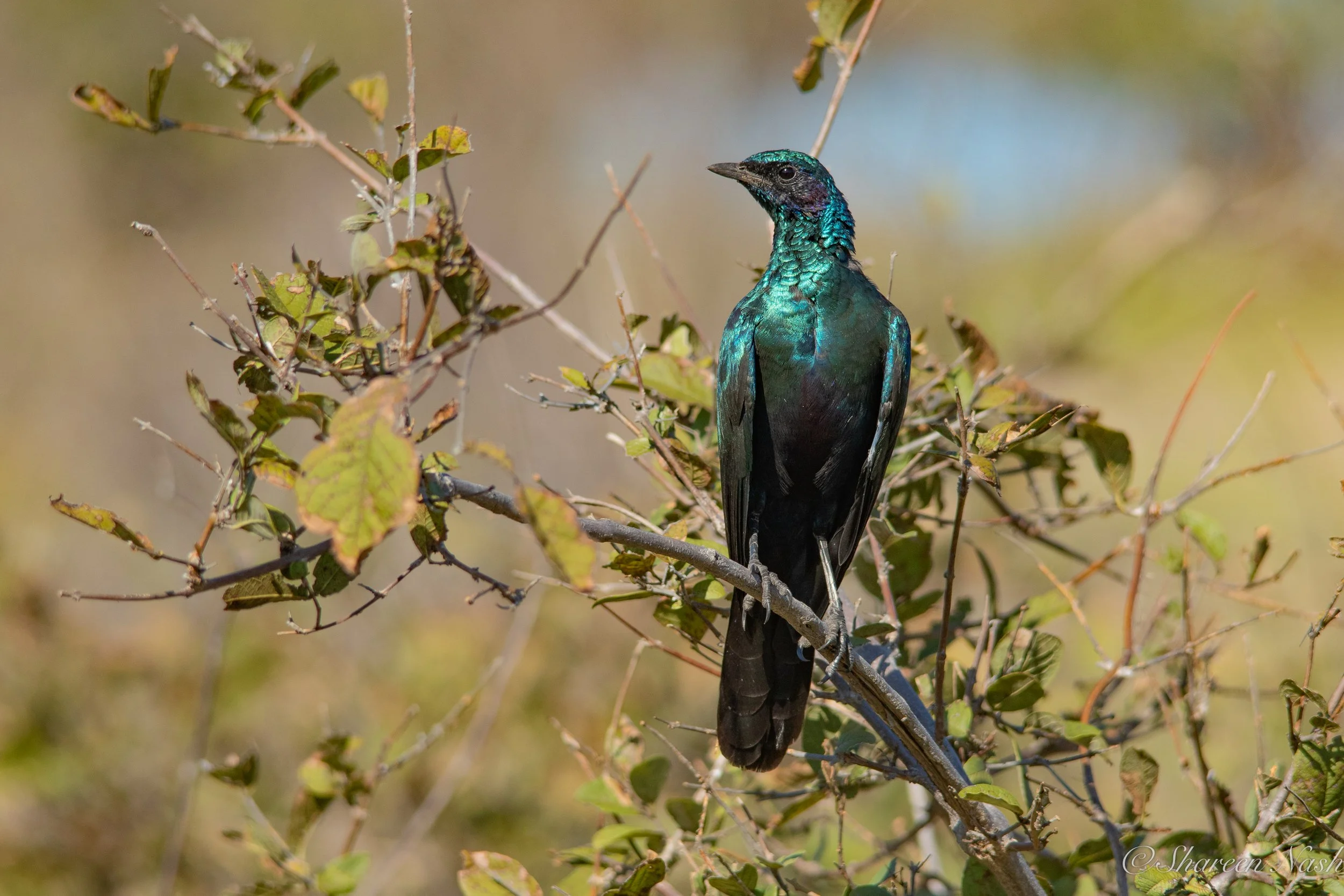
Accommodation: Letaka Tented Camp.
Activities: Game Drive, Walking Safaris** (conditions permitting) Night Drives
Saturday 12th September
Day 7 - Moremi to Savuti, Central Chobe / Travel Day (80km - full day of extended game drive and journey time with picnic lunch between camps)
We head further north en-route to Central Chobe region, exploring the dessert-like landscape of game drives.
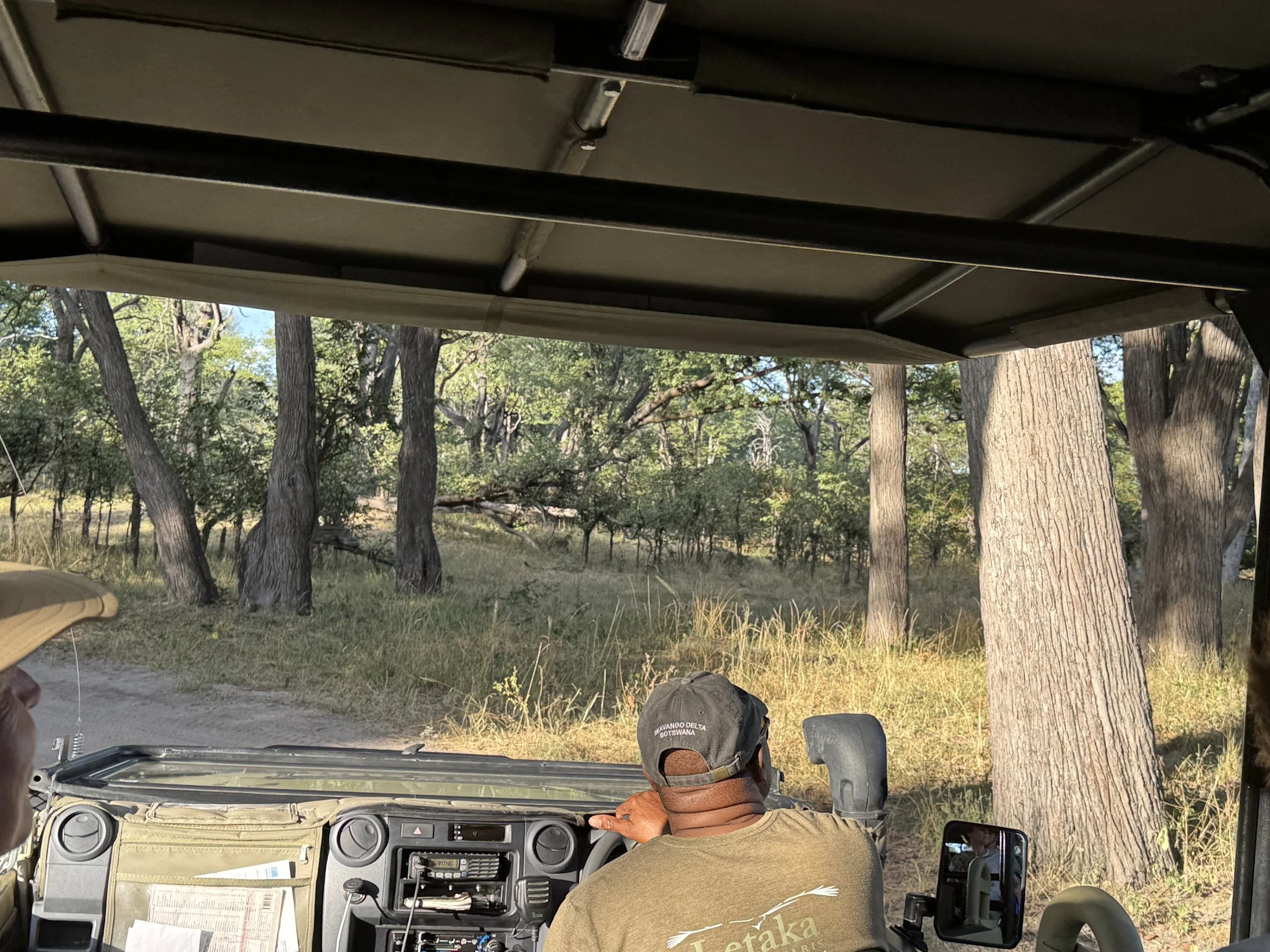
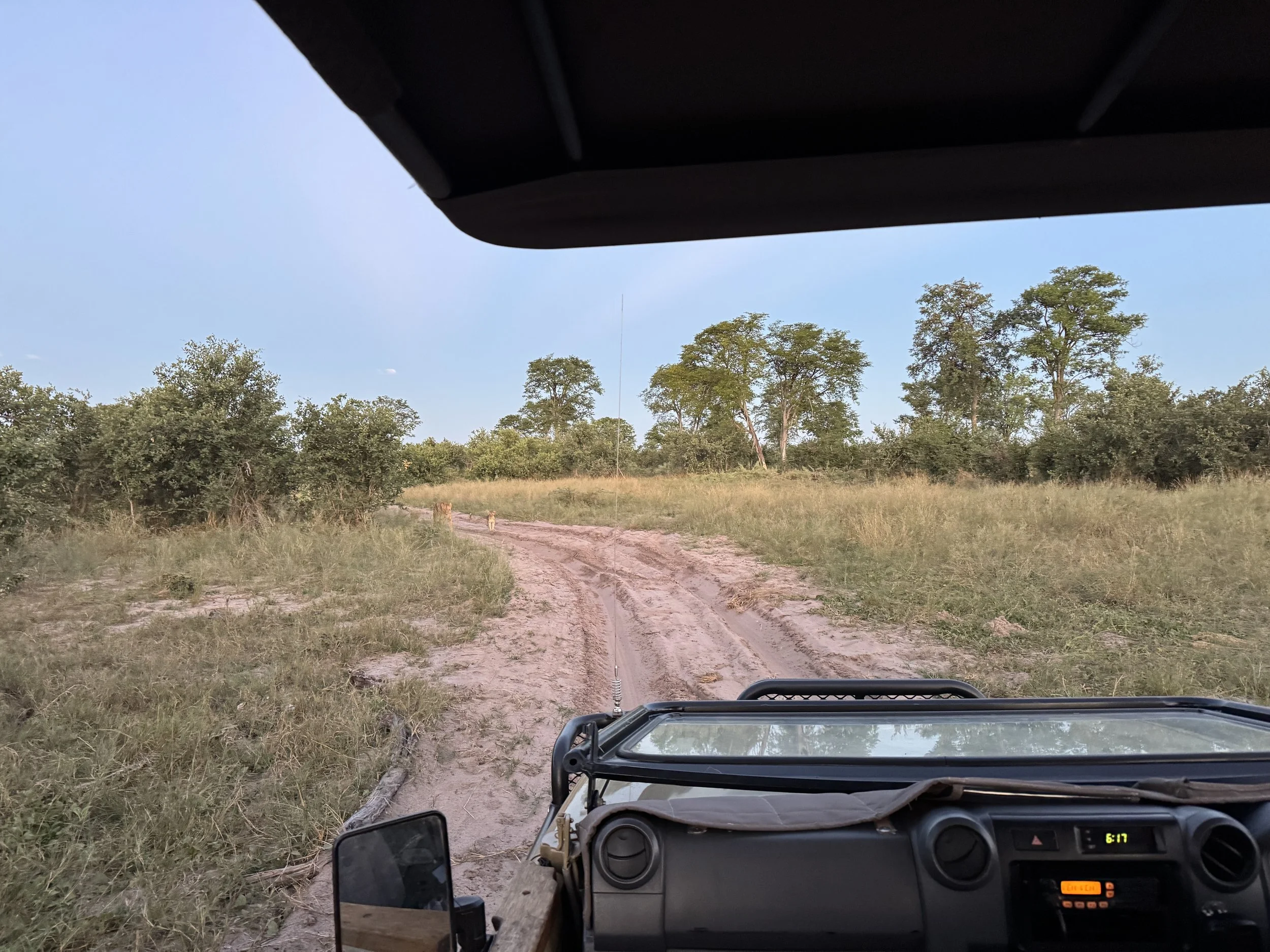
Habitat: A fascinating days drive looking at some of the evidence of the Paleo-Lake Makgadikgadi that dried up some ten thousand years ago. The most challenging part of the trip is crossing the Magwikhwe Sand-ridge that formed the shoreline for this massive inland sea. The winding track through this deep sand makes for interesting travel in the early summer! The old lake bed is now the Mababe Depression. The dense clay floor of the depression result in high protein feed for wildlife and the area teams with game after the rains. During the rainy season the depression is impassable due to the “cotton soil” and alternative routes must be used.
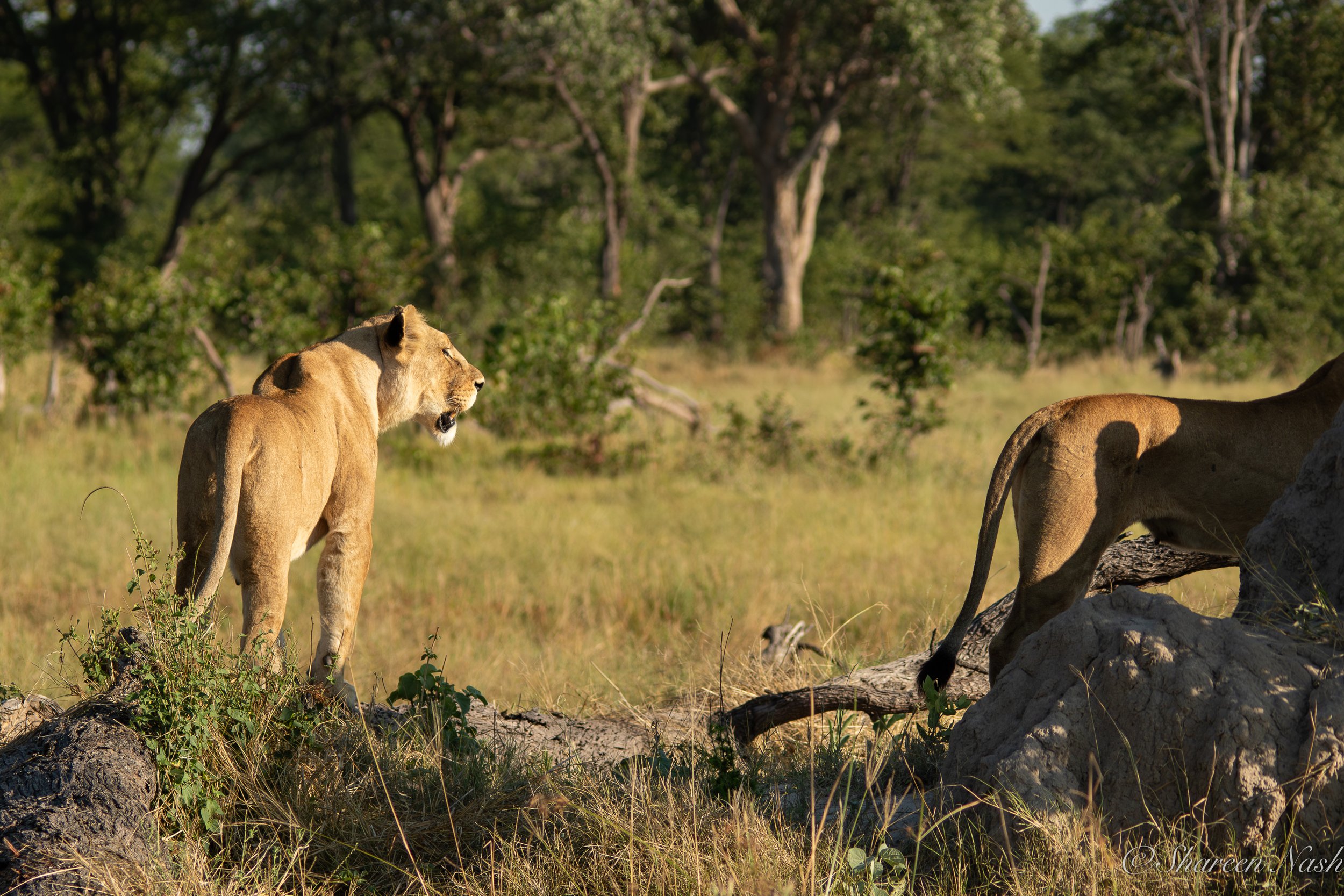
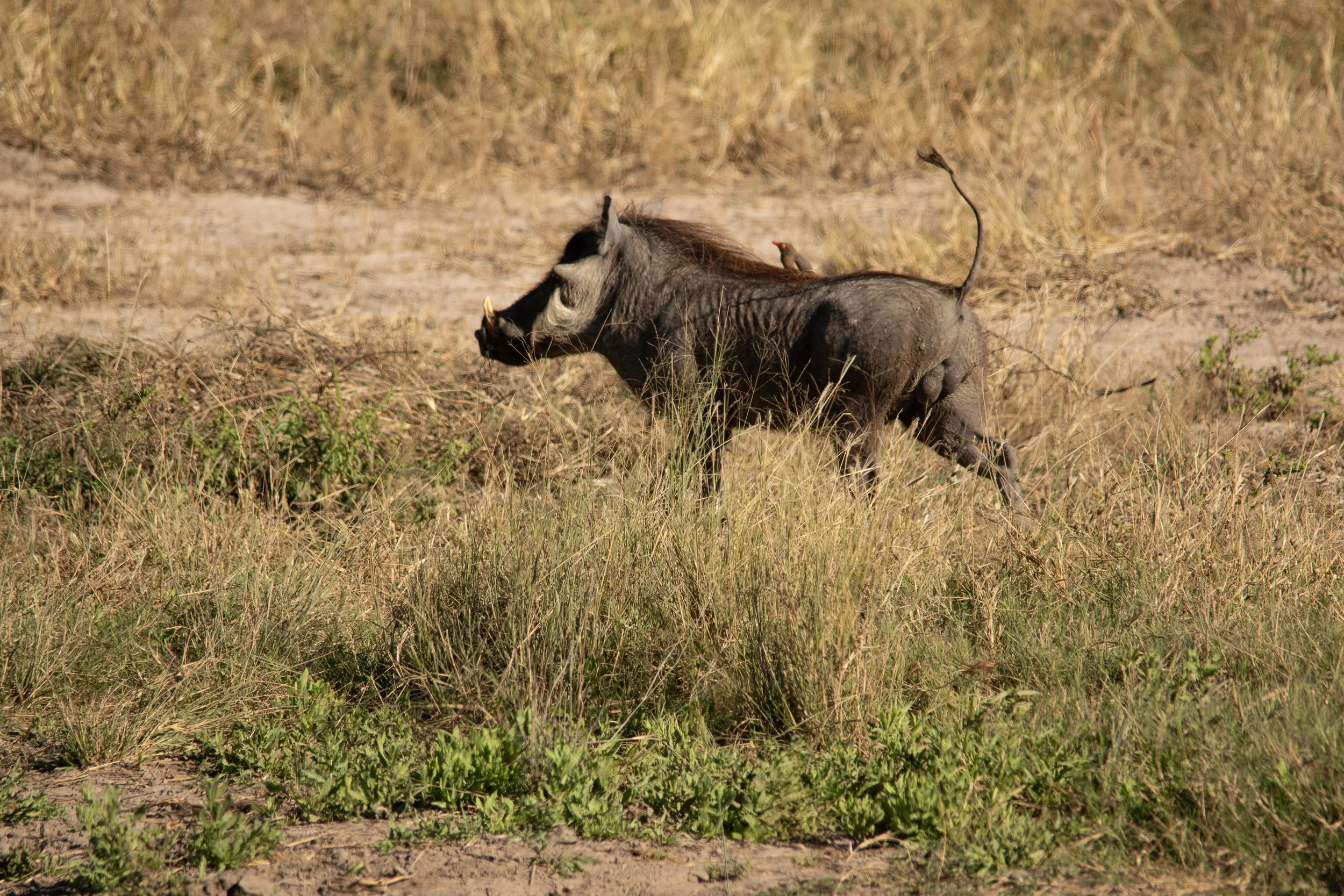
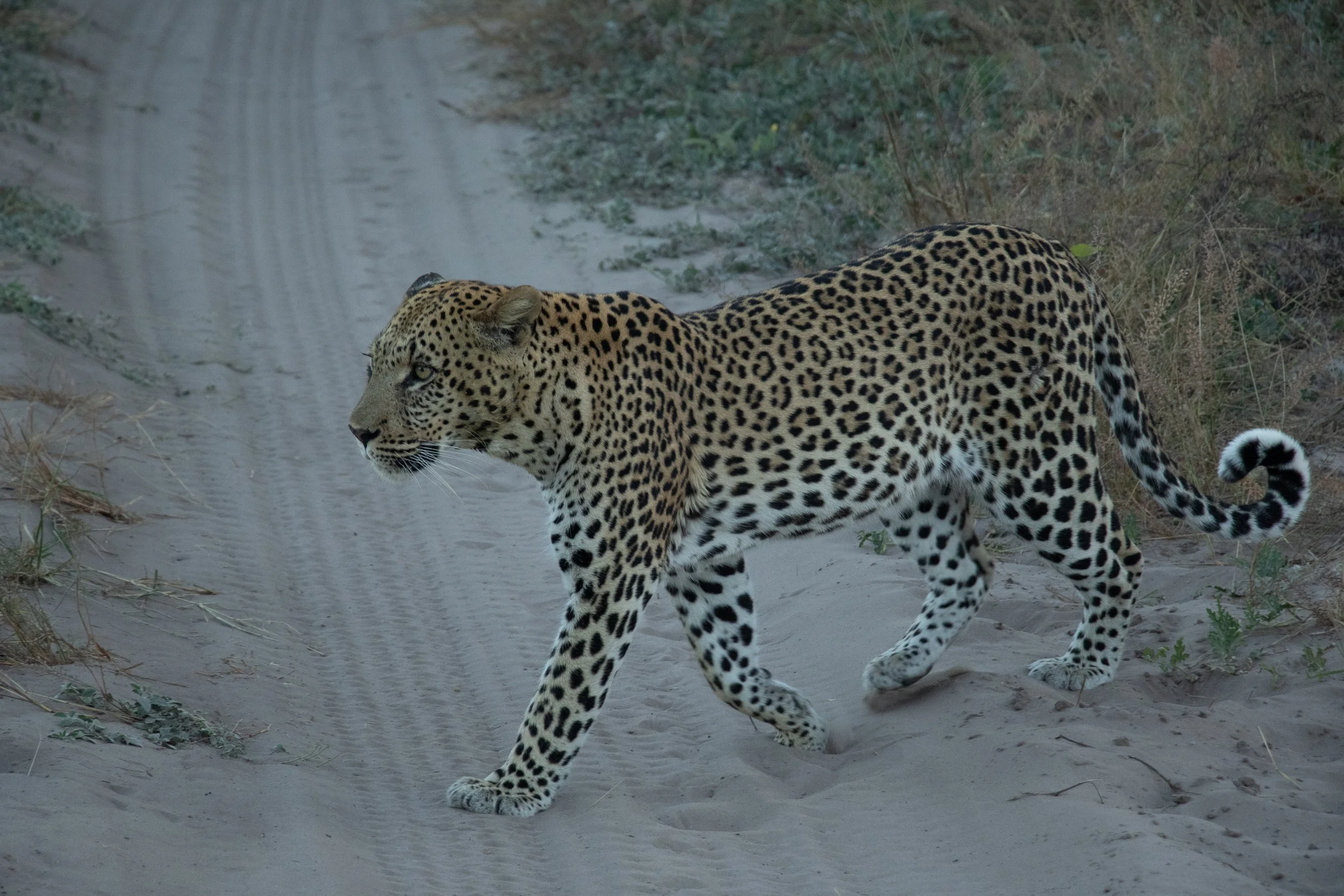
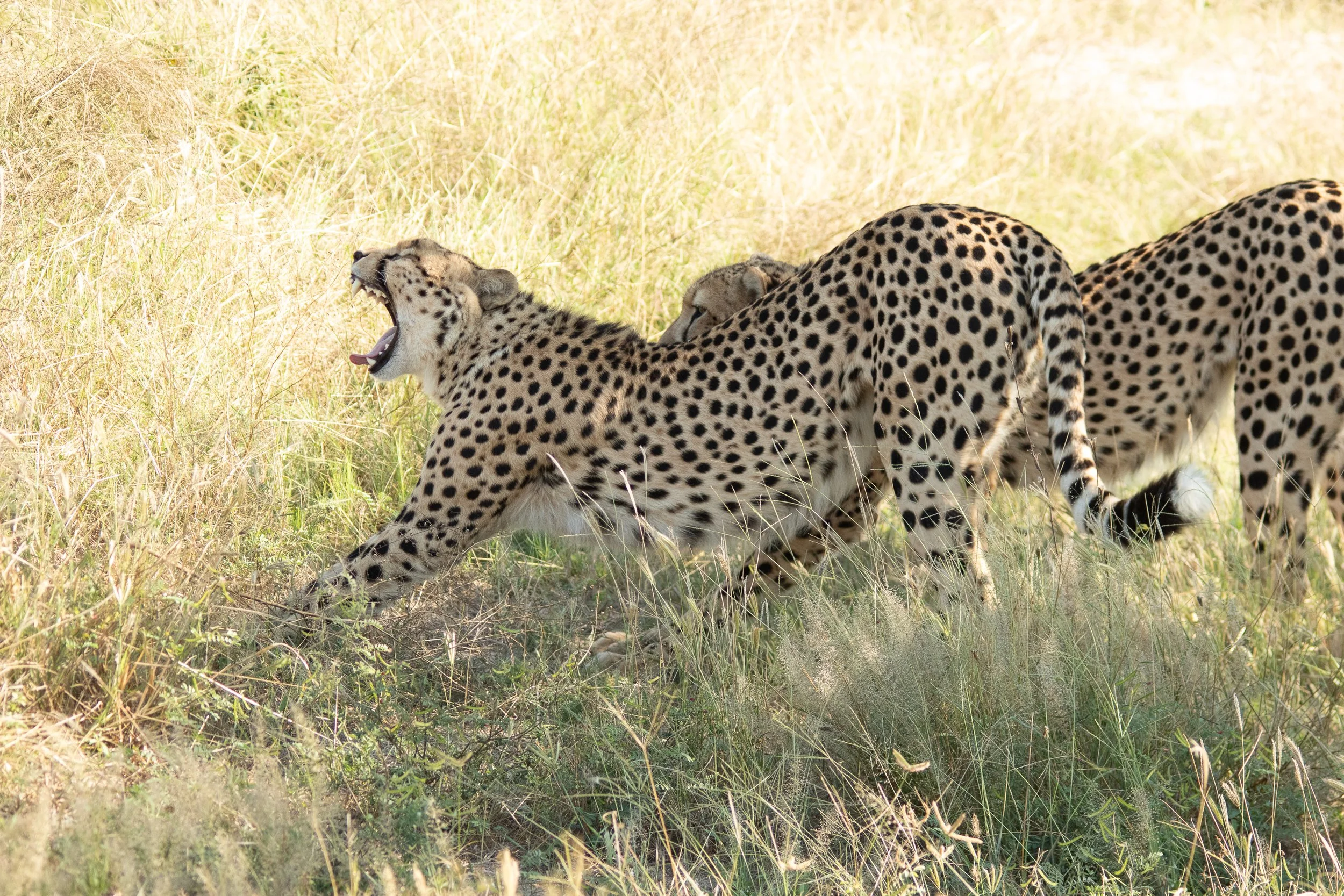
Wildlife: A day when anything could happen. The range of habitat that is covered encompasses most of the habitat types of northern Botswana. We pass through excellent lion country and some of the best cheetah country that our safari will cover. Elephant occur throughout the drive but are more common at the start and end of the drive where permanent surface water can be found.
Birding: The Mababe Depression is a birder’s paradise. The nutritious grasses that grow on the rich soils provide excellent seed for an impressive array of estrillids and viduids. Among these are the magnificently coloured Violet-eared Waxbill, Black-cheeked Waxbill, Village Indigobird, Shaft-tailed Whydah and Paradise Whydah. These in turn provide a good food source for small raptors such as the Little Sparrowhawk, Shikra, Gabar Goshawk, Red-necked Falcon and Lanner Falcon. It is not only the small birds that feed on the grass seeds, but rodents too. There are annual outbreaks of huge numbers of rats and mice. As a result, huge numbers of Secretary Bird, Tawny Eagle, Black-shouldered Kite, Steppe Eagle*, Lesser-spotted Eagle*, Wahlberg’s Eagle* and Steppe Buzzard* can be found.
Accommodation: Letaka Tented Camp. Activities: Game Drives
Sunday 13th & Monday 14th September
Days 8 & 9: Central Chobe Exploration Days
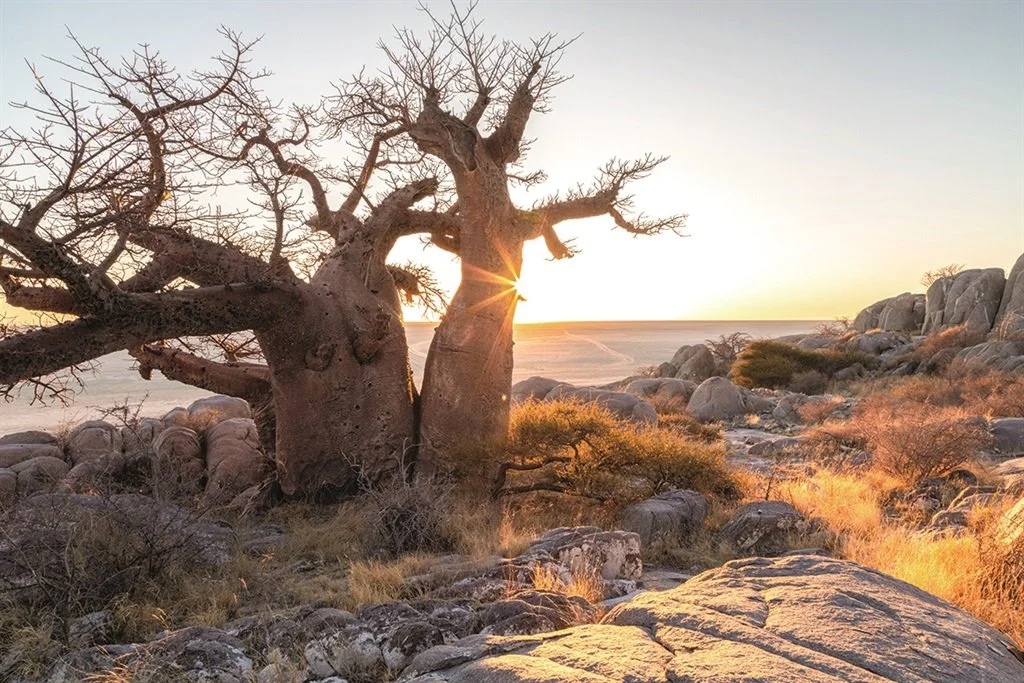
Habitat: Unlike the vast majority of the country, Central Chobe is not a totally flat landscape. Large outcrops of volcanic rock reach up out of the Kalahari sands, towering over the endless savannah. These hills provide habitat for a completely different array of small wildlife, birds and plants. The Savuti Marsh has been the stage for many of the most dramatic wildlife documentaries in Africa. The wide open country, good ungulate populations and particularly strong prides of lion and hyaena clans make for dramatic wildlife interaction and excellent viewing opportunities. The now dry Savuti Channel runs through this landscape linking the dry sand-veld, the waterholes, the hills and the grassland that was the Savuti Marsh.
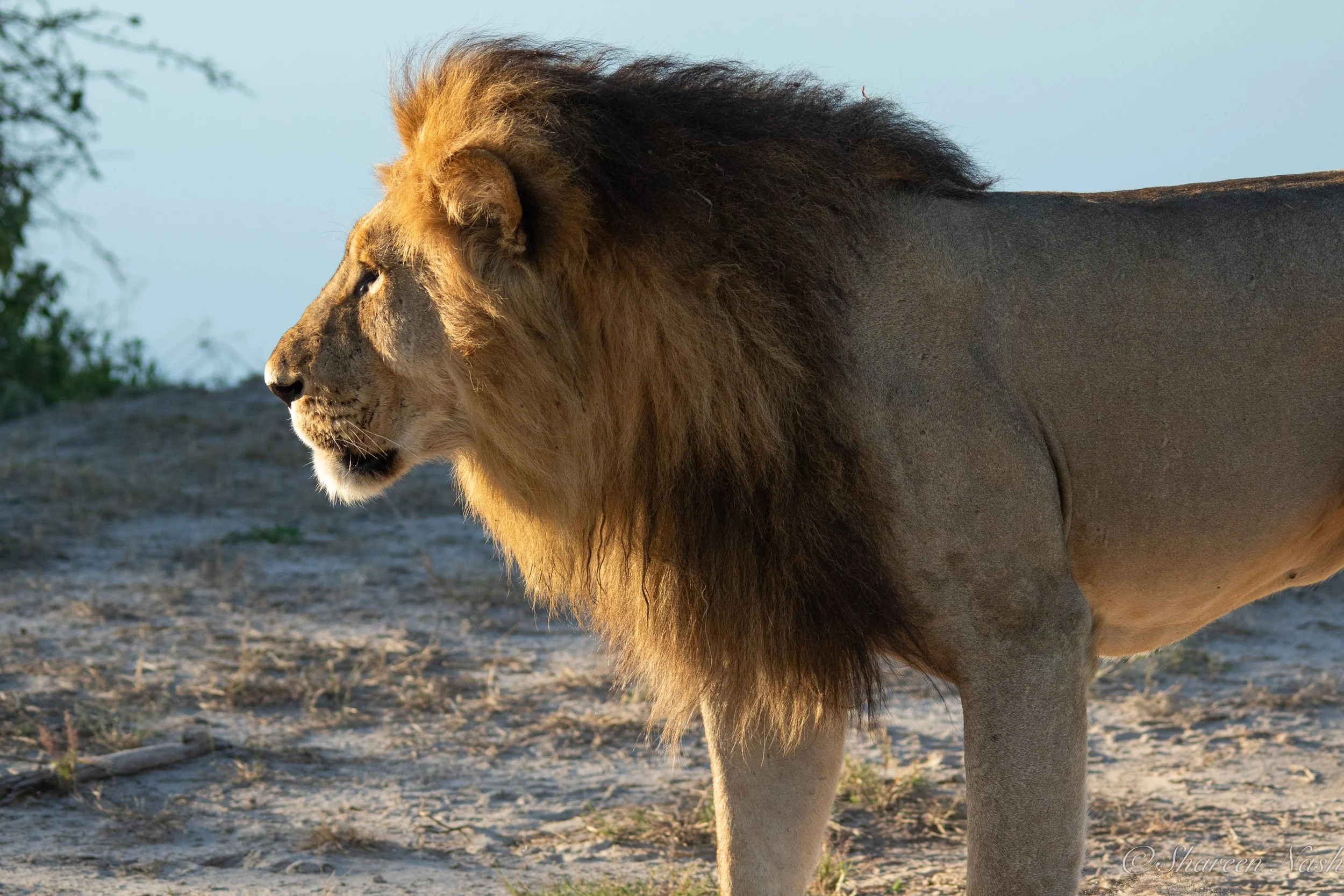
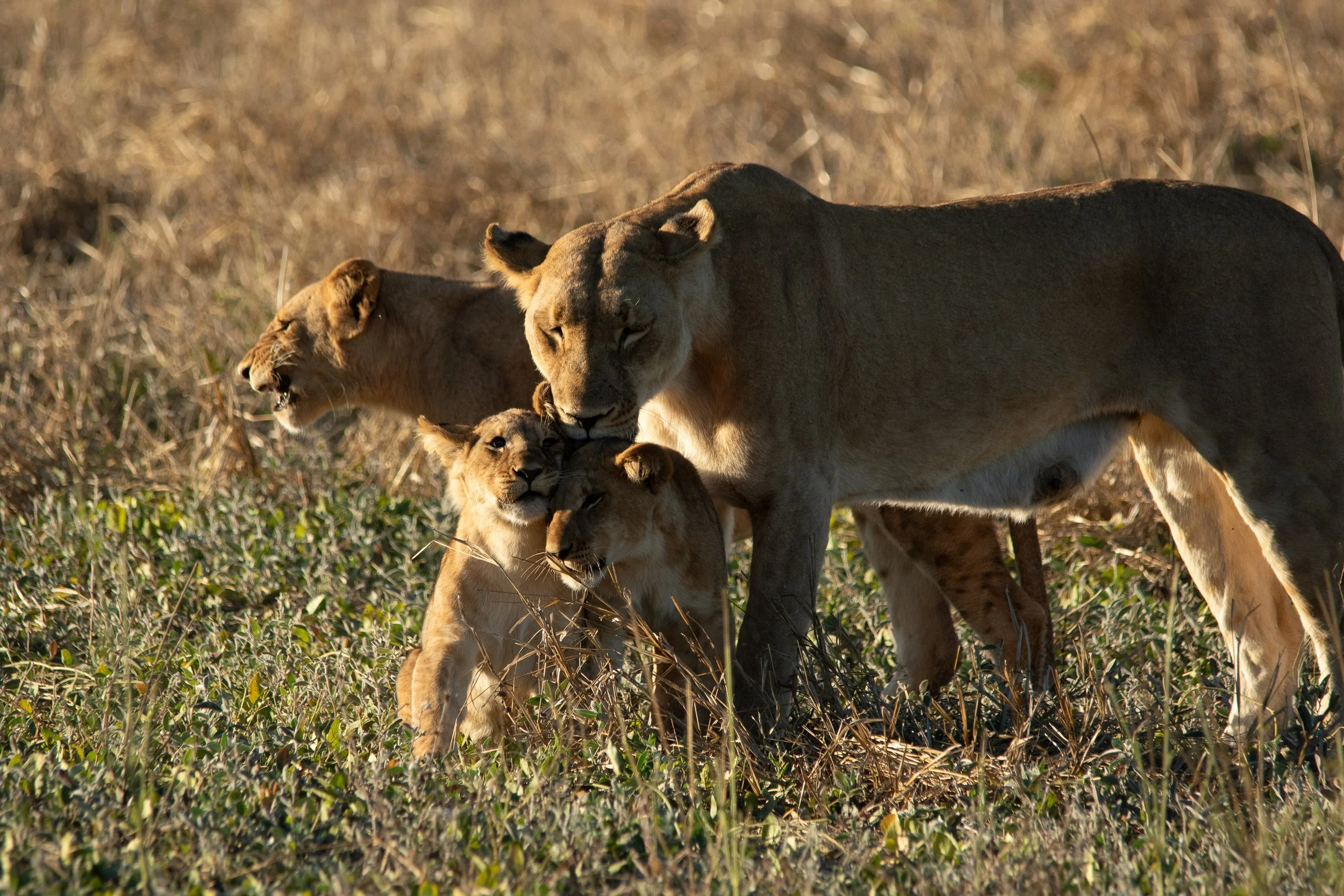
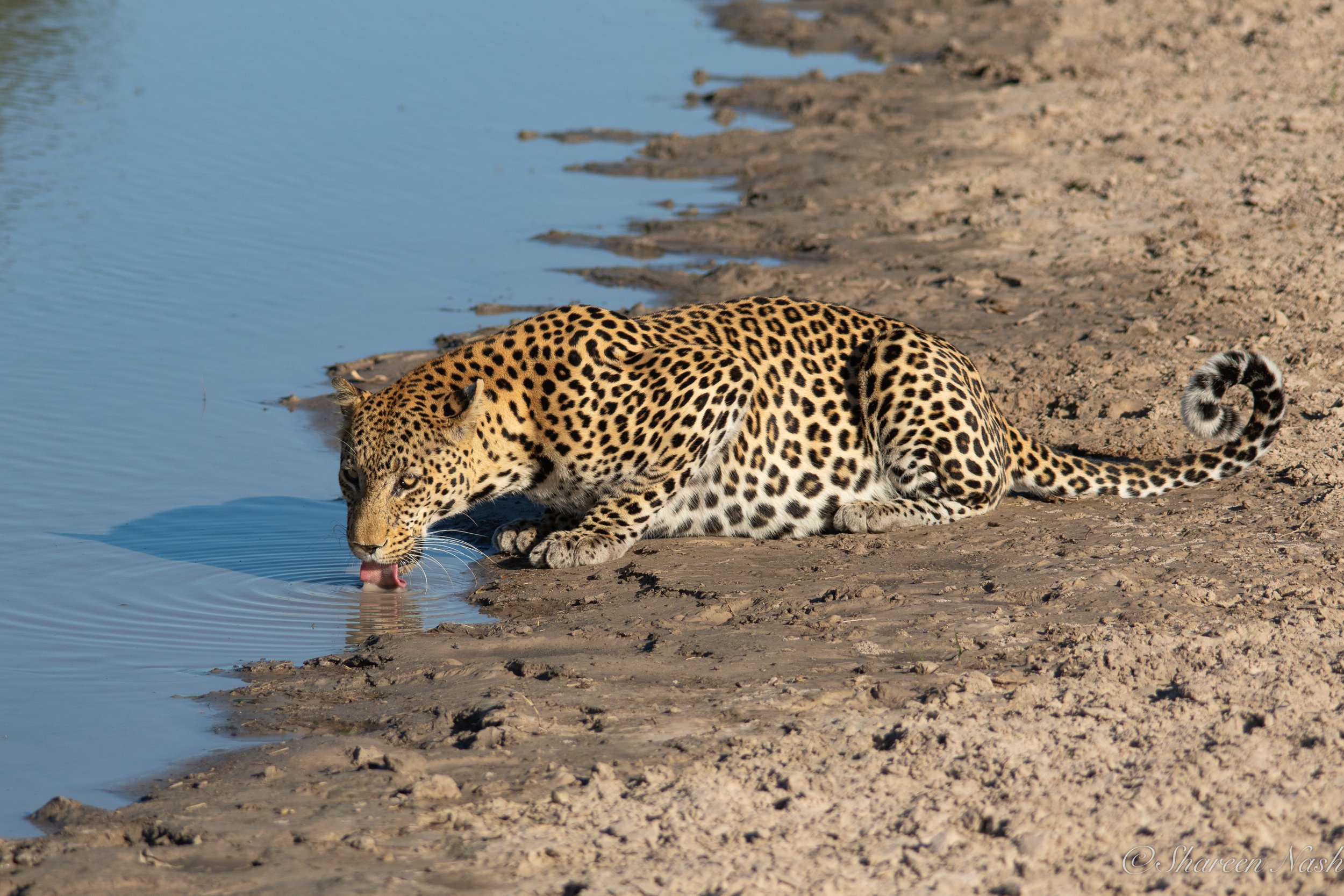
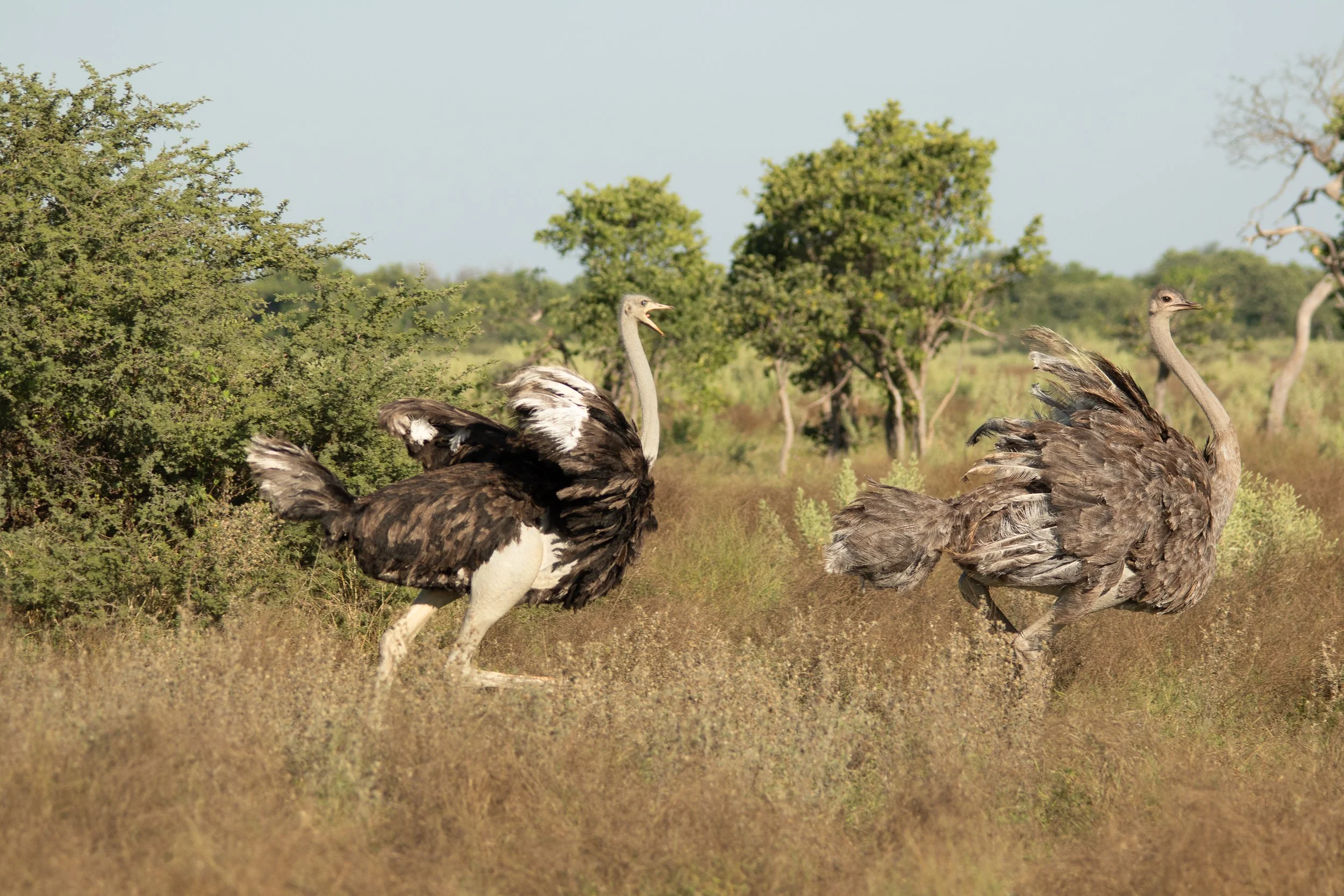
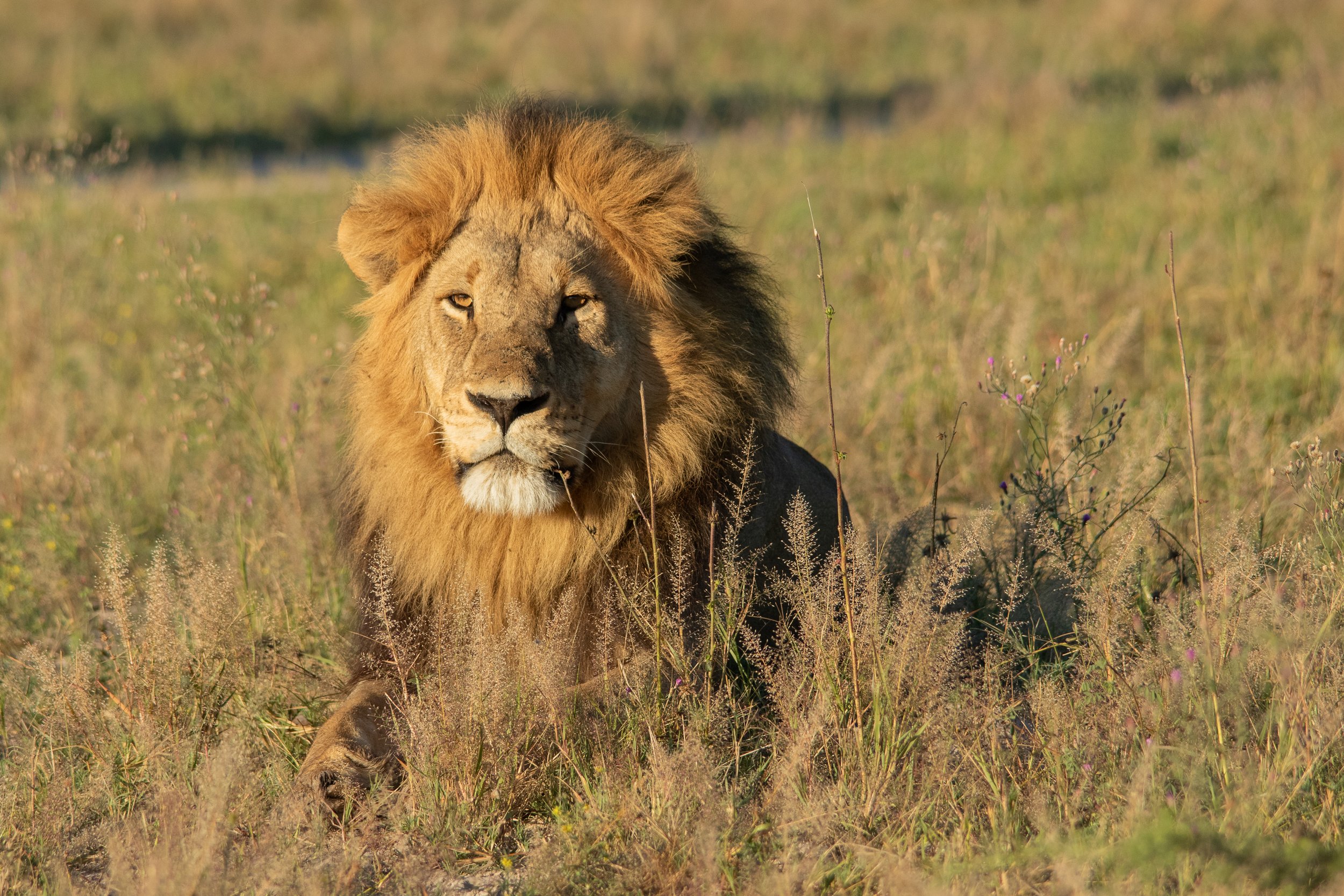
Wildlife: Interaction between lion and elephant is an interesting aspect of Savuti. The area is inhabited by a large prides of lion and elephants frequent the waterholes during summer. The Savuti marsh is also prime cheetah country.
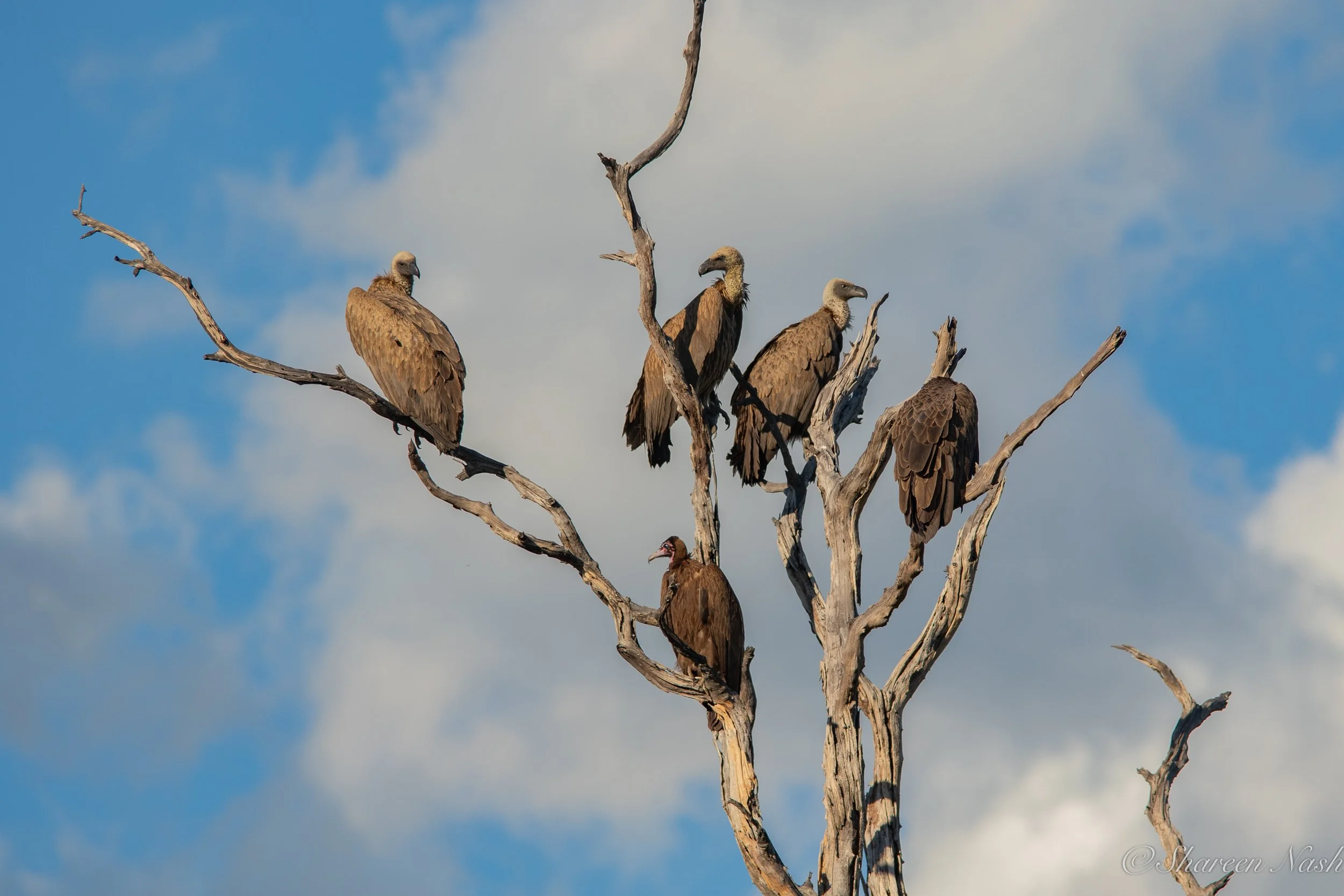
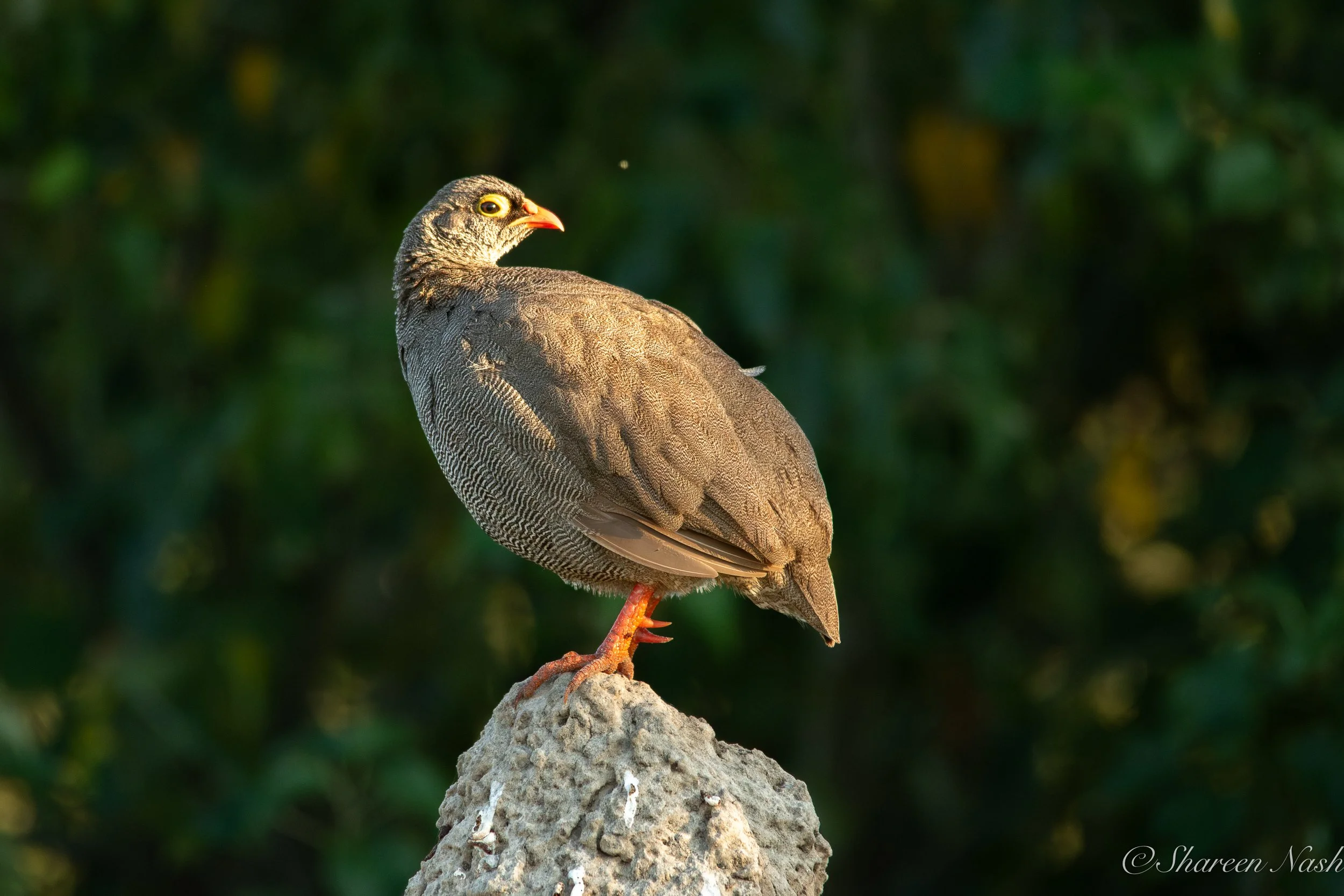
Birding: The surface water that is pumped by the Government here provides a major attraction for birdlife. In the dry season thousands of dove and sandgrouse come down to drink in the mornings and are under constant surveillance by Yellow-billed Kite*, Tawny Eagle and African Hawk-Eagle. Red-crested Korhaan are common in the Kalahari Apple-leaf (Lonchocarpus nelsii) veld. The marsh is the summer home for good numbers of Caspian Plover* and Montague’s Harrier* as well as Chestnut-backed Sparrowlark, Grey-backed Sparrowlark, Northern Black Korhaan, Rufous-naped Lark, African Pipit and Desert Cisticola. Dickenson’s Kestrel, Amur Falcon* and Red-necked Falcon are found along the perimeter of the marsh.
*denotes migratory species
Accommodation: Letaka Tented Camp
Activities: Game Drives and Bushman Painting Walks
Tuesday 15th & Wednesday 16th September
Day 10: Savuti to Kasane / Travel Day / 170km (about 5 hours)
On our final day on the mobile safari we will leave Central Chobe early to travel along the Chobe River arriving in Kasane where we will stop for a picnic lunch. This is our longest driving day and after lunch we will be dropped off at our accommodation.
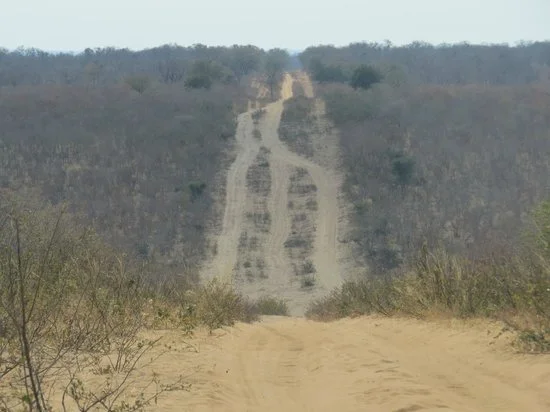
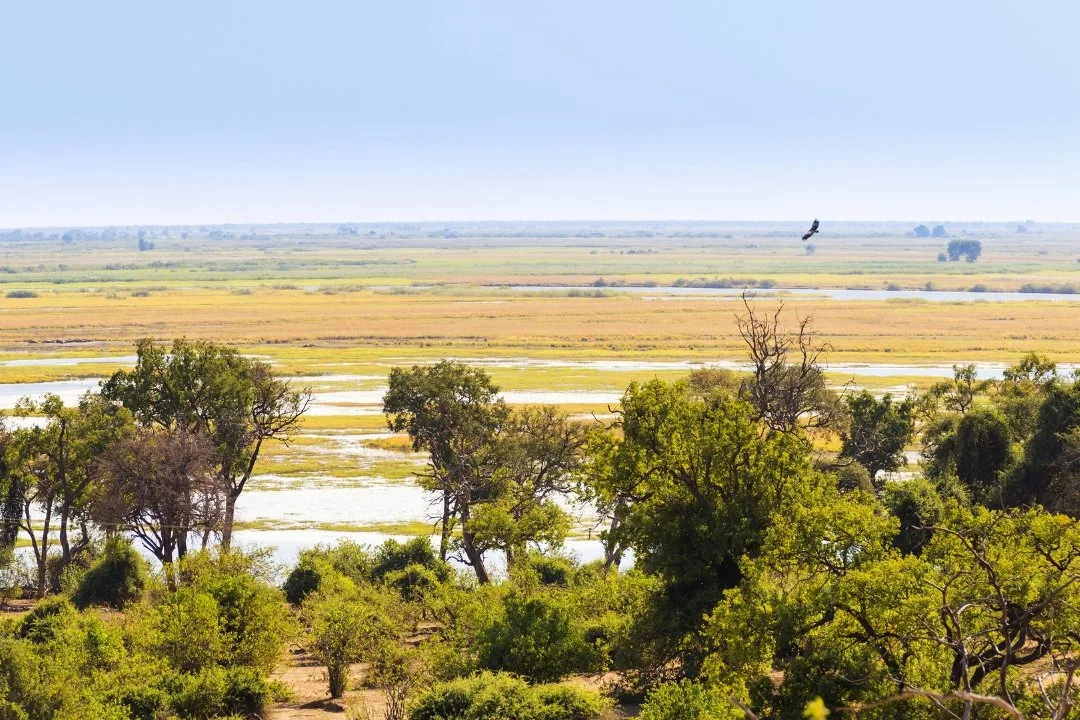
Habitat: The habitat on today’s drive takes us through the stunted mopane scrub of the Goha clay basin, across the sand-ridge and through the wonderful Zambezi teak woodlands of the Chobe Forest Reserve and along the Chobe River itself. The Chobe floodplain is tens of kilometers wide and in years of exceptional rains the water stretches as far as the eye can see.
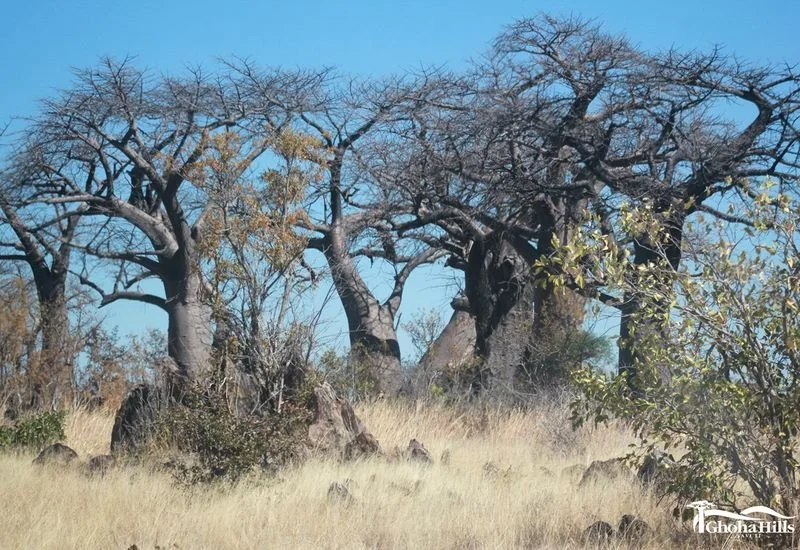
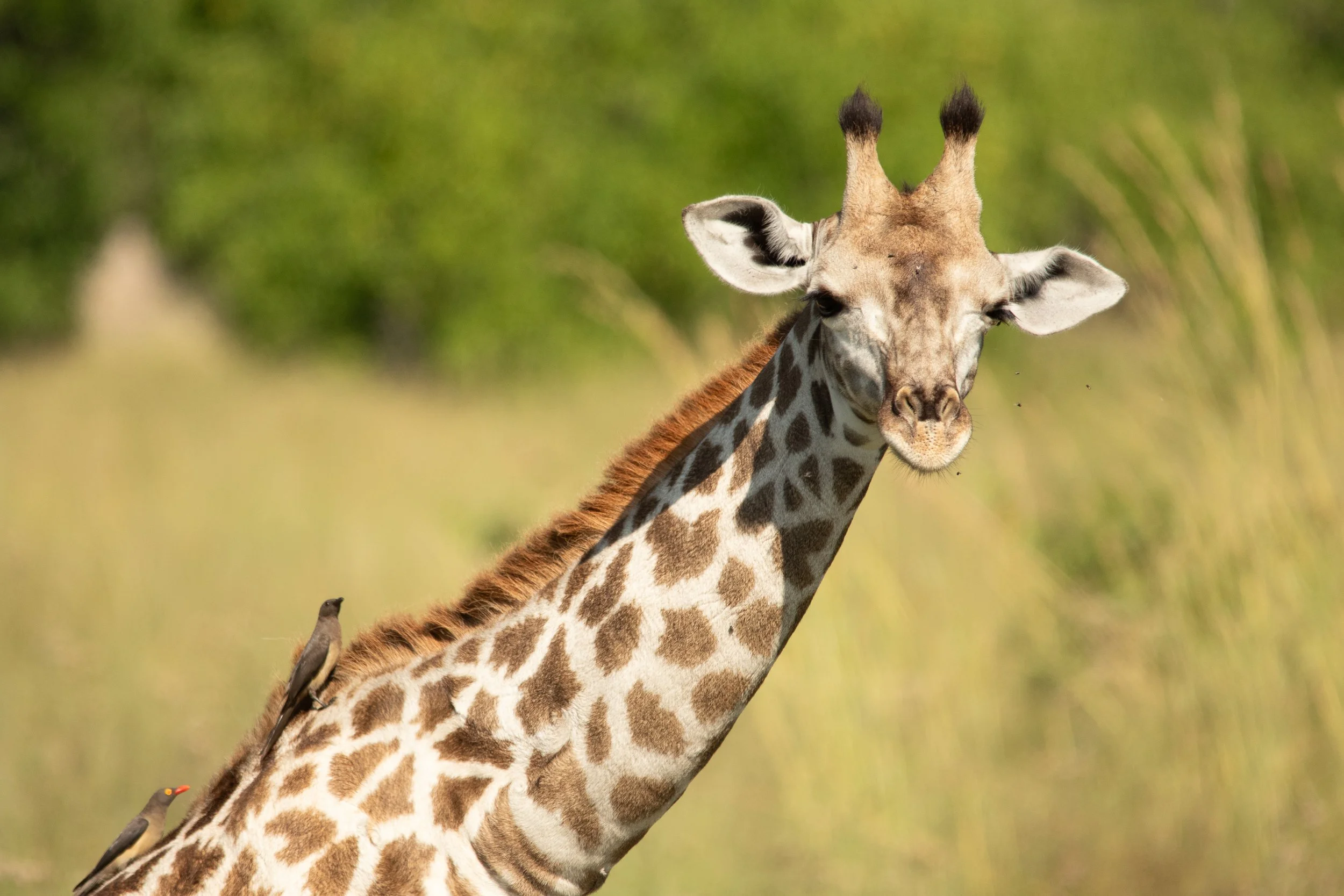
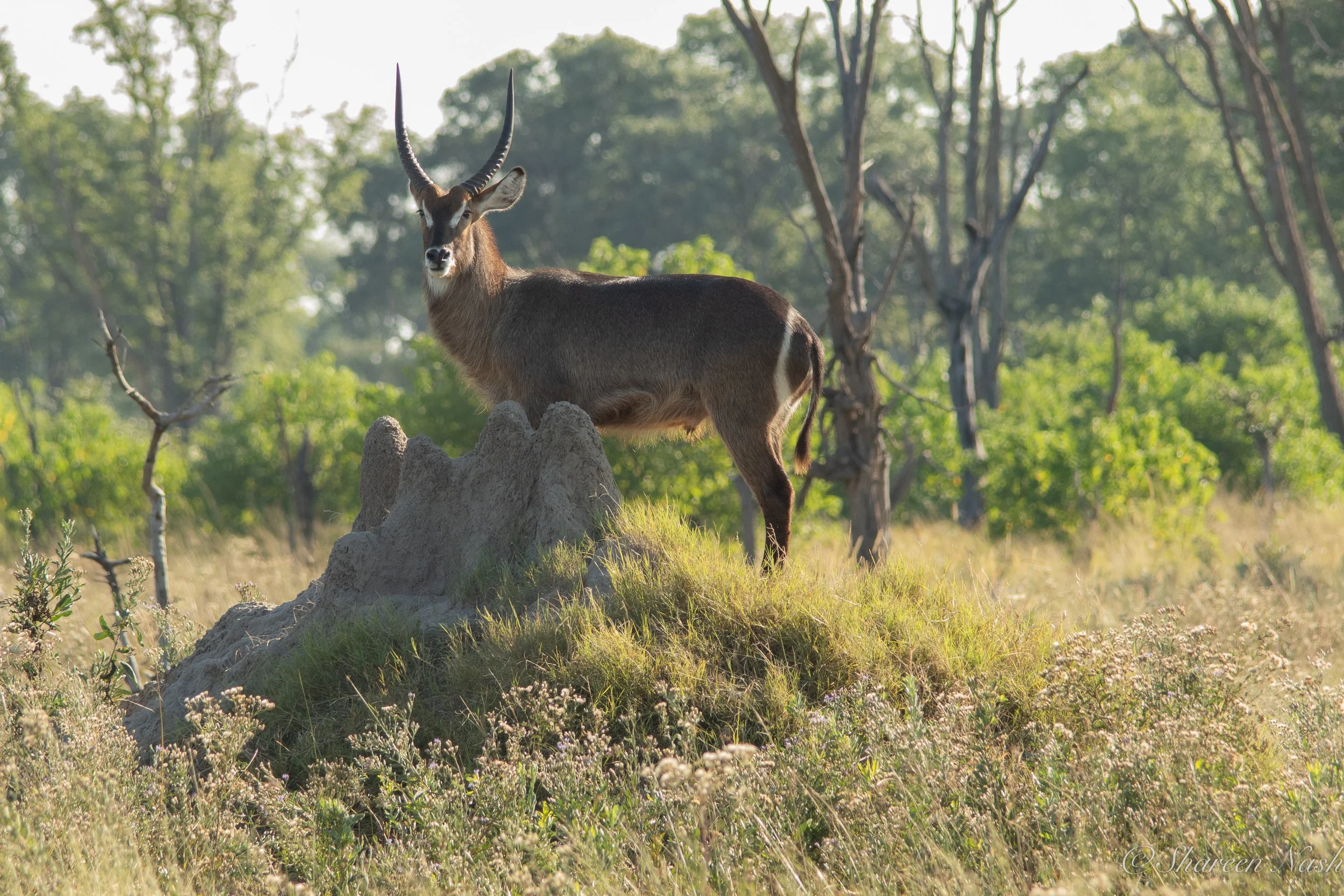
Wildlife: While there are community areas that we pass through that are settled by local tribes, for the vast majority of the day’s drive we pass through wild country where wildlife moves un-inhibited by fences or man. Roan and sable antelope thrive in the teak woodlands where the low density of predators and lack of competition for food by other ungulates makes this prime habitat for these large ungulates. Leopard occur in these woodlands in low numbers but they are highly secretive and seldom seen. The Goha region has natural waterholes that hold water well into the dry season and herds of buffalo, Burchell’s zebra, greater kudu and elephant come down to drink.
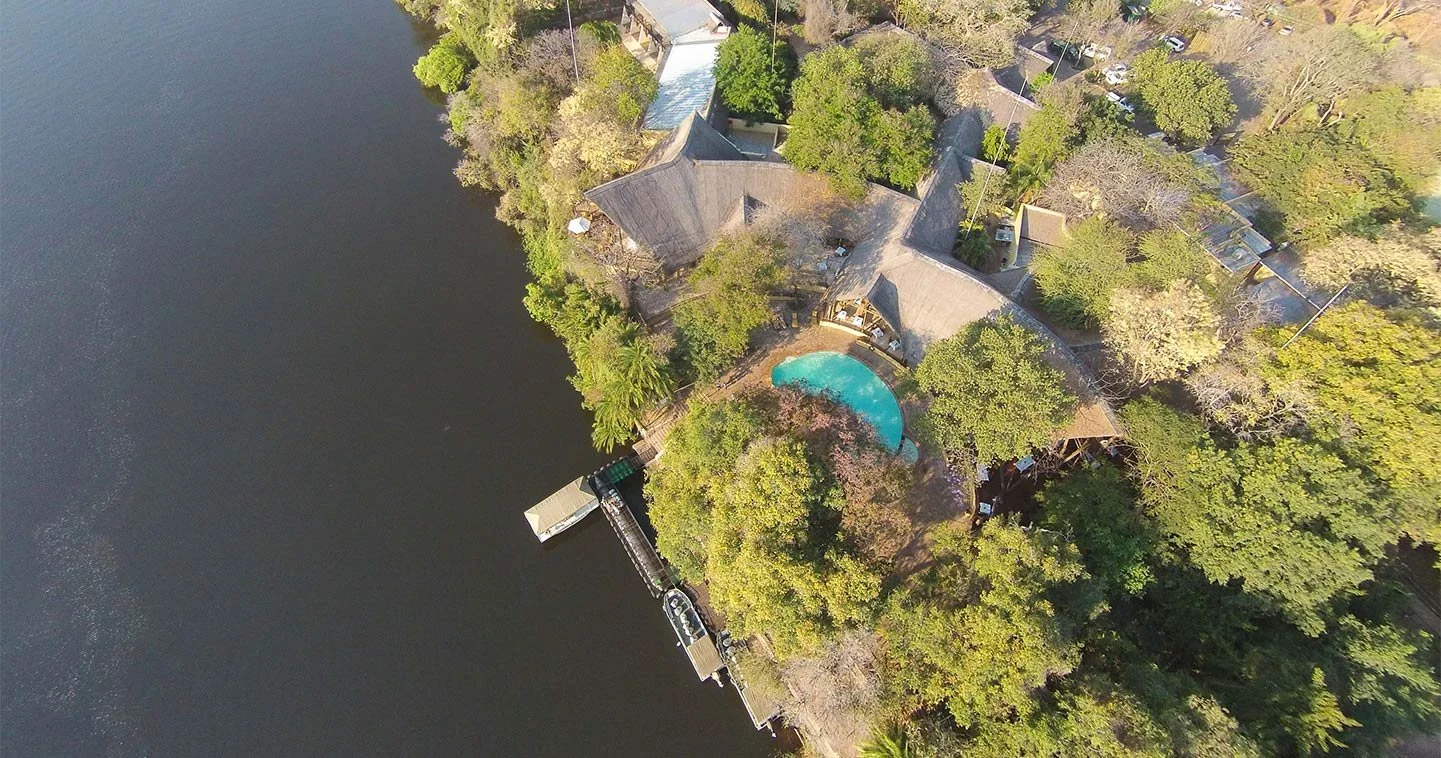
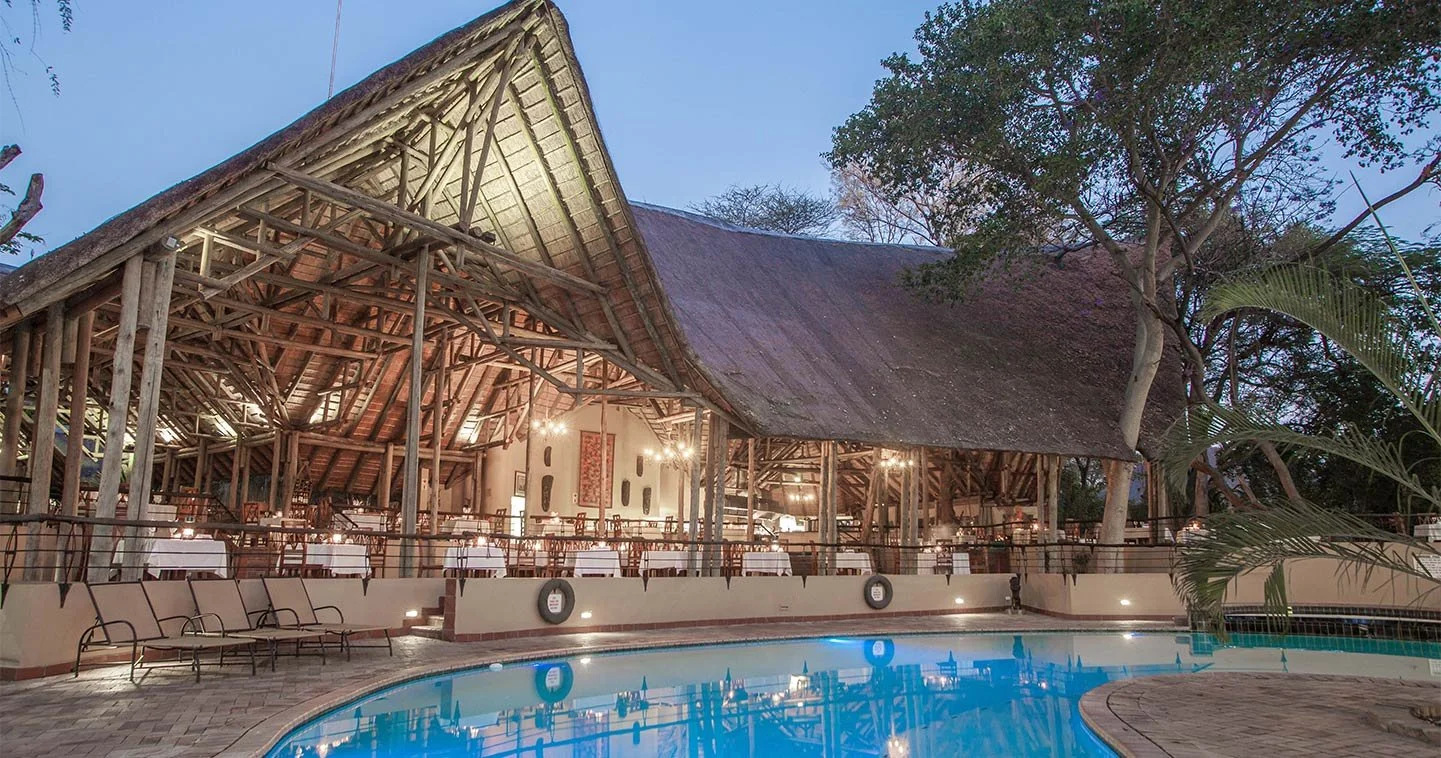
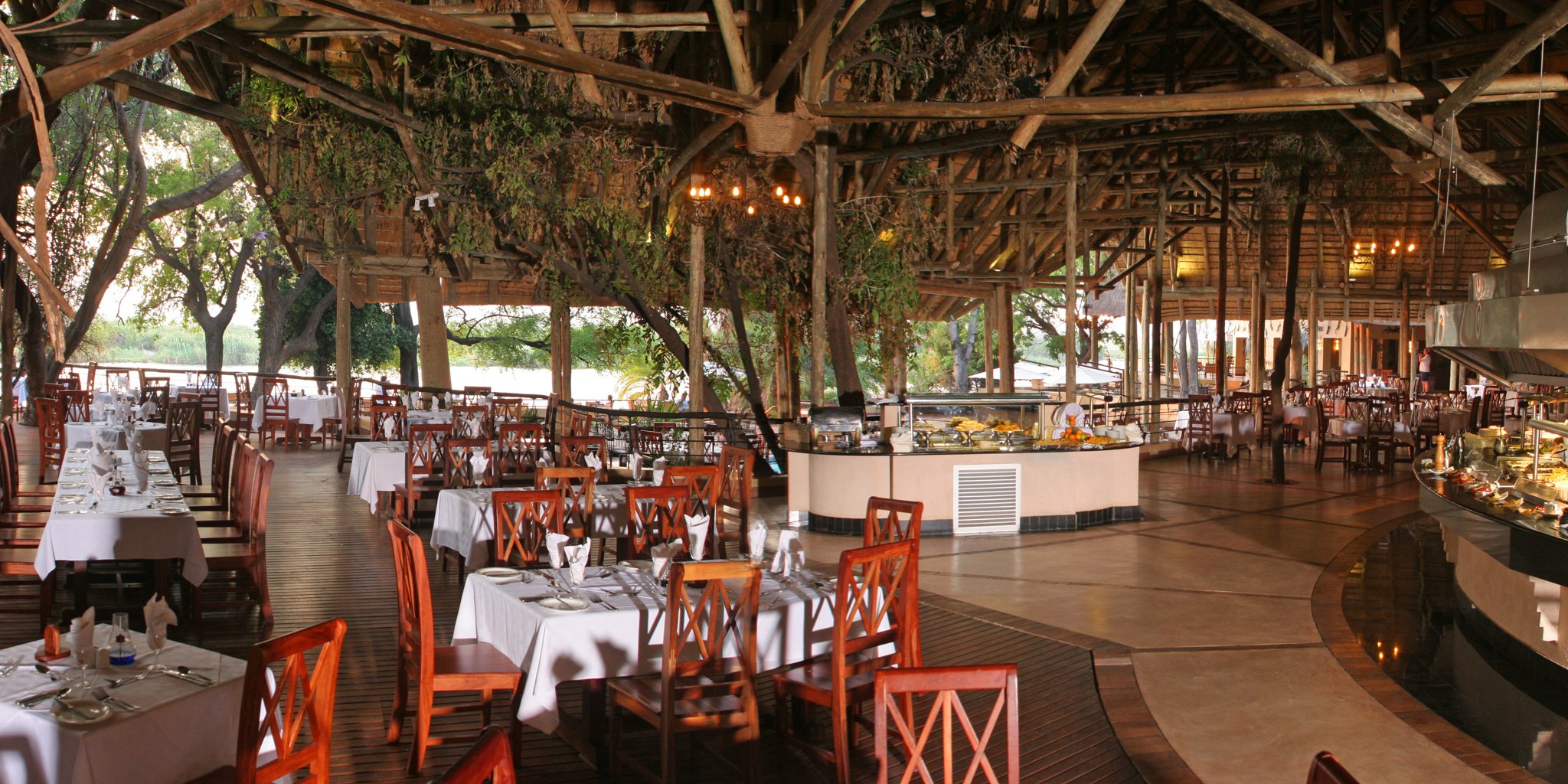
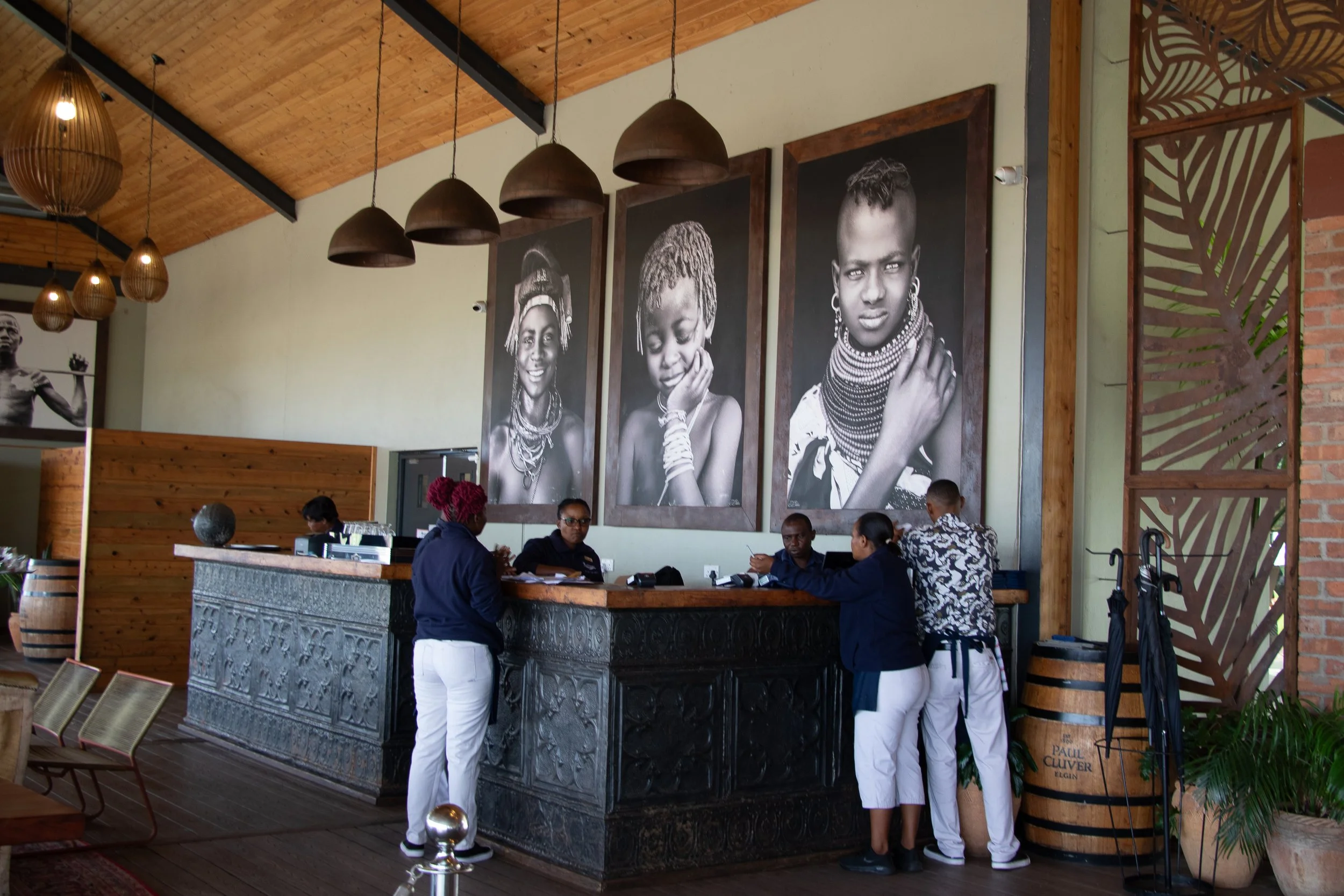
Stay 2 nights on the Chobe River at CHOBE SAFARI LODGE, established in 1959. Chobe Safari Lodge has 46 rooms, spacious and stylishly decorated with air-conditioning, en-suite bath and shower facilities, as well as satellite TV and phone. The central area overlooks the river and features a large family friendly swimming pool, buffet restaurant, bar, curio shop, conference room, internet café, squash, and beauty spa. Enjoy 2 Activities - Sunset Cruise & Game Drive along the Chobe River.
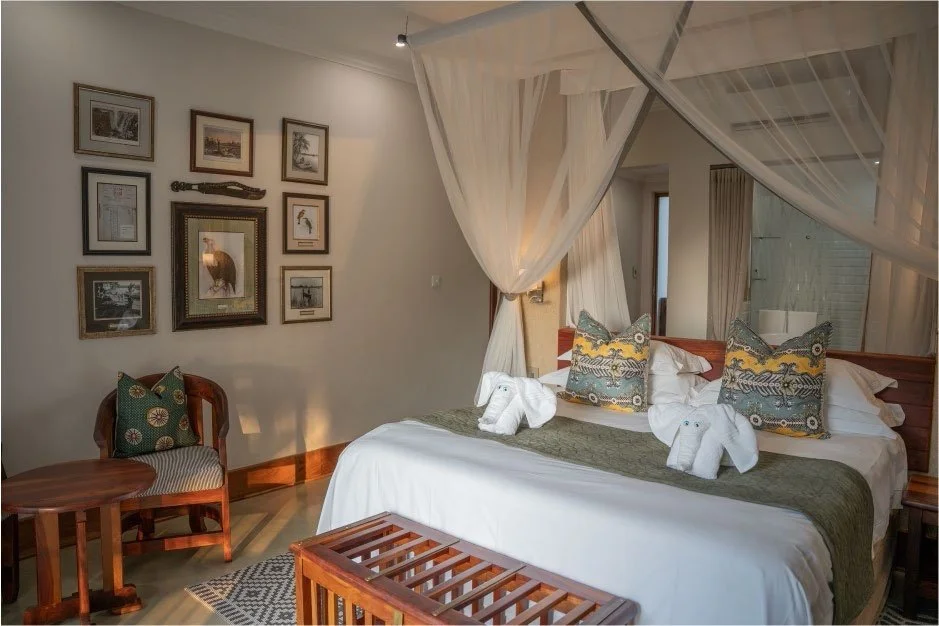
Safari Rooms
Dinner, Bed & Breakfast + 2 Activities (Boat Cruise & Game Drive)
(Lunch & drinks not included)
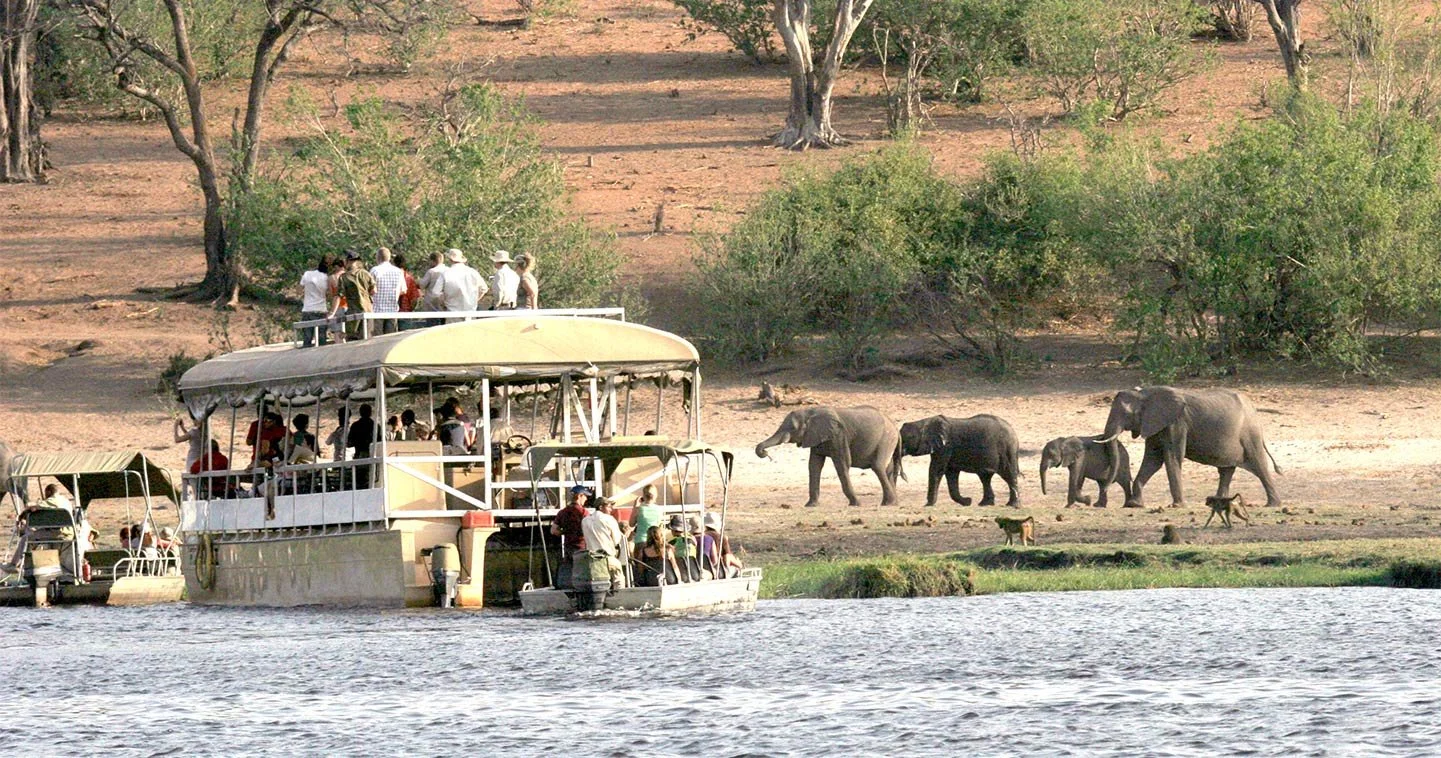
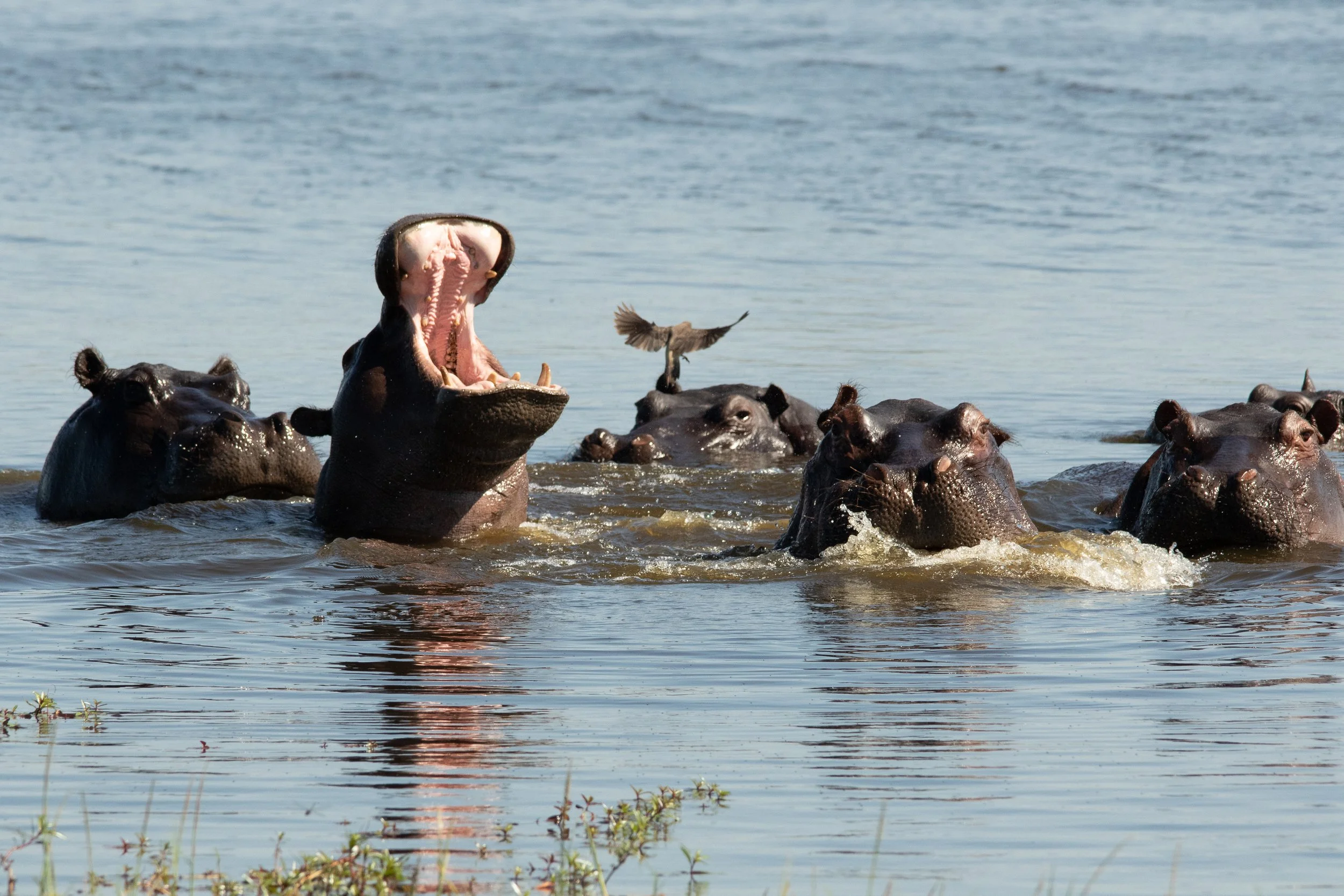
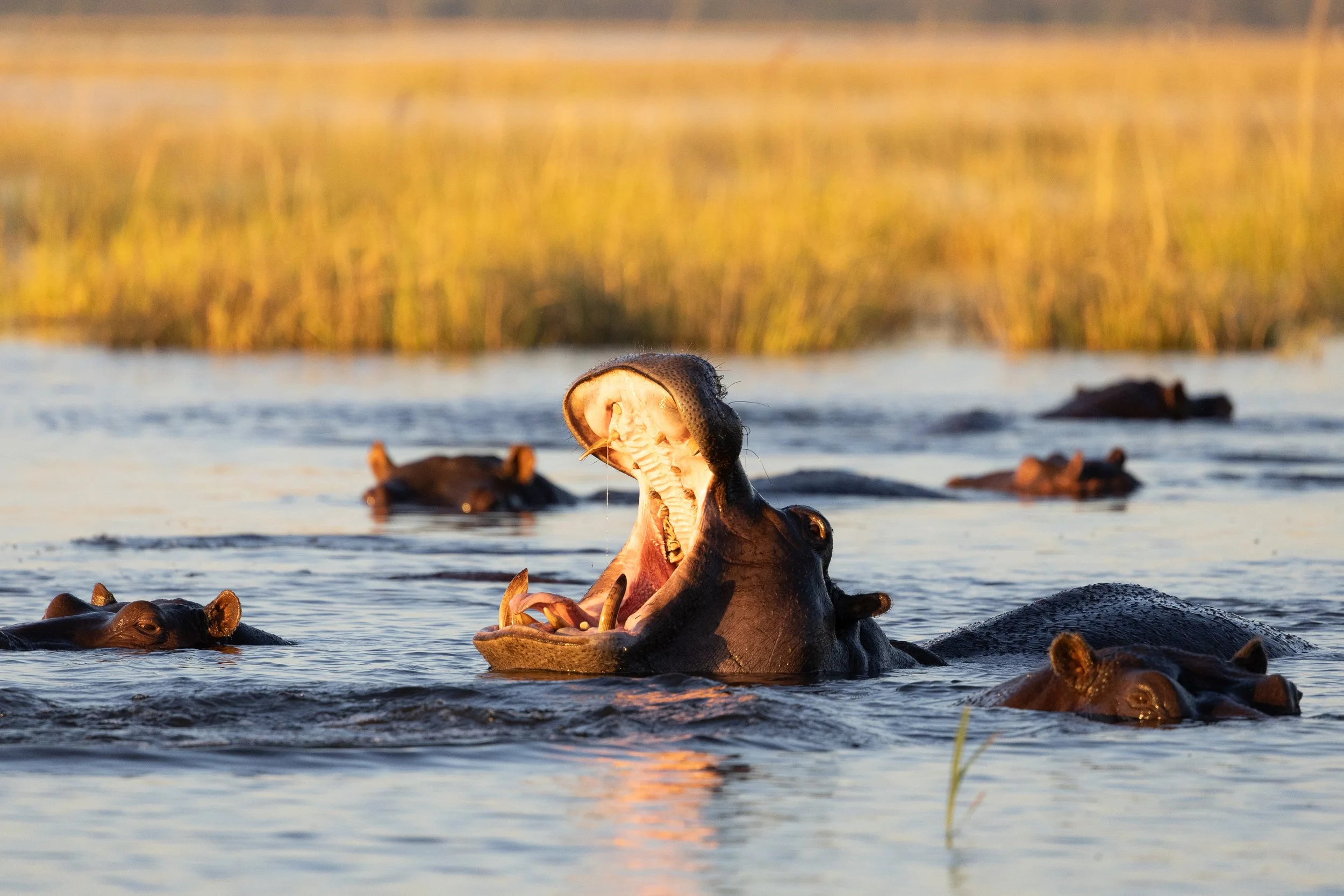
Habitat: Crossing floodplains, forests and open woodlands, the Chobe River creates a complex network of channels and marshes, providing lush vegetation that attracts a diverse range of wildlife, making for spectacular game viewing. While the river holds water year-round, it rises significantly from February to May, following the rains in Angola that start in November.
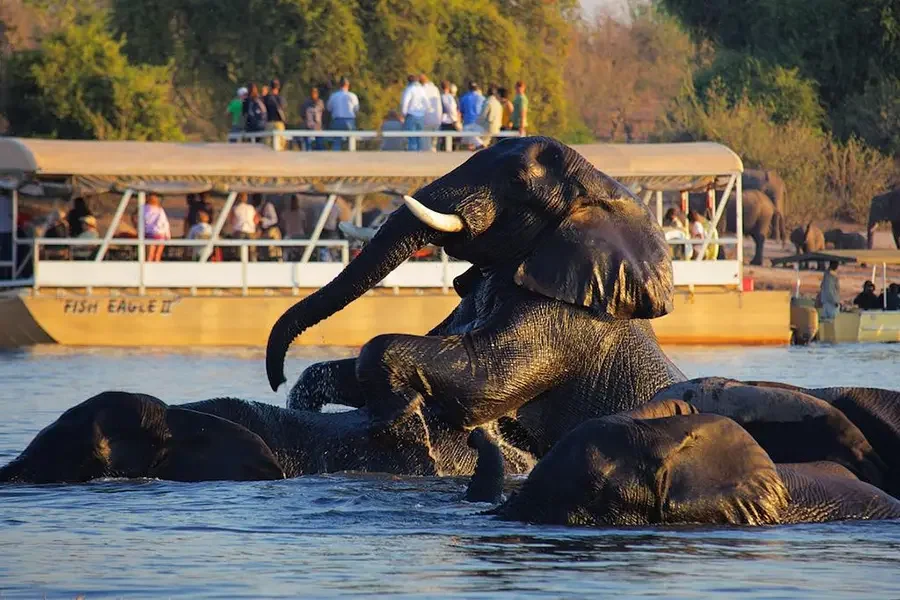
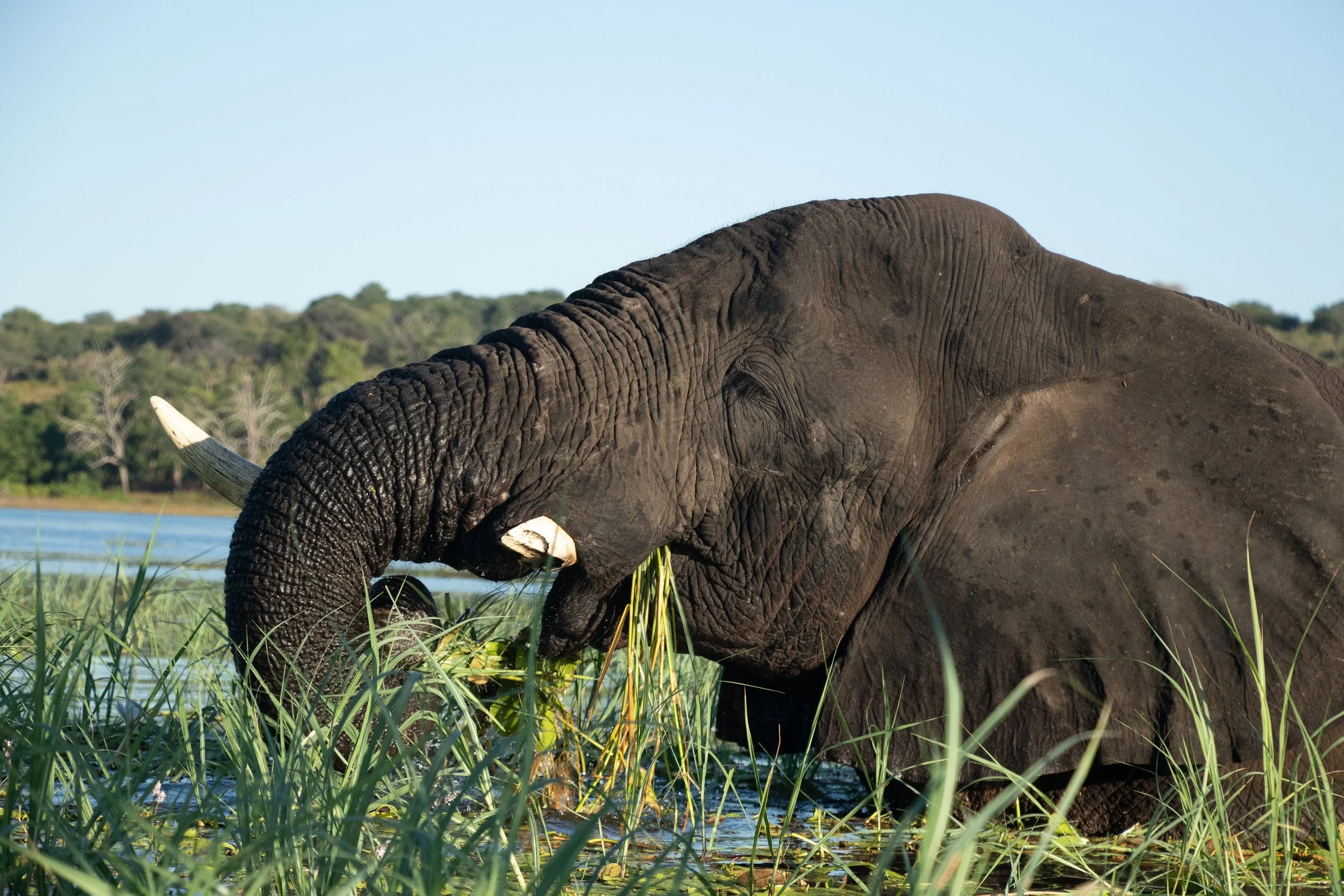
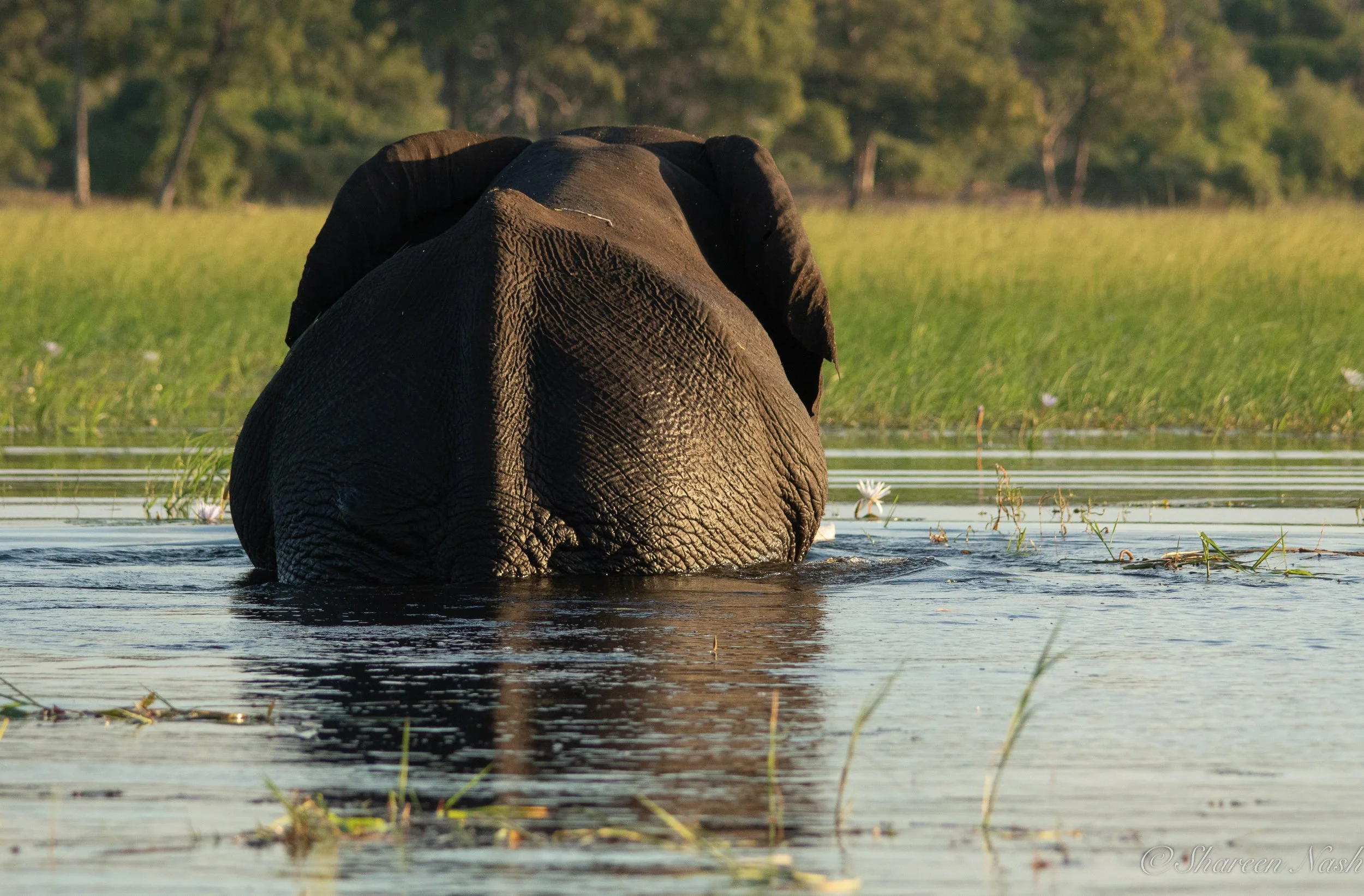
Wildlife: It is not uncommon to see thousands of buffalo side by side with hundreds of elephants on the floodplains of the river. The dust from the hooves of these vast herds can be seen from miles away. The Chobe River is the southern-most range of the puku antelope, a family of the lechwe for which it is sometimes confused. The puku occurs along the floodplains of the Chobe River where it is seen in the wetter areas. Predators, in particular lions, are active along the Chobe floodplains.
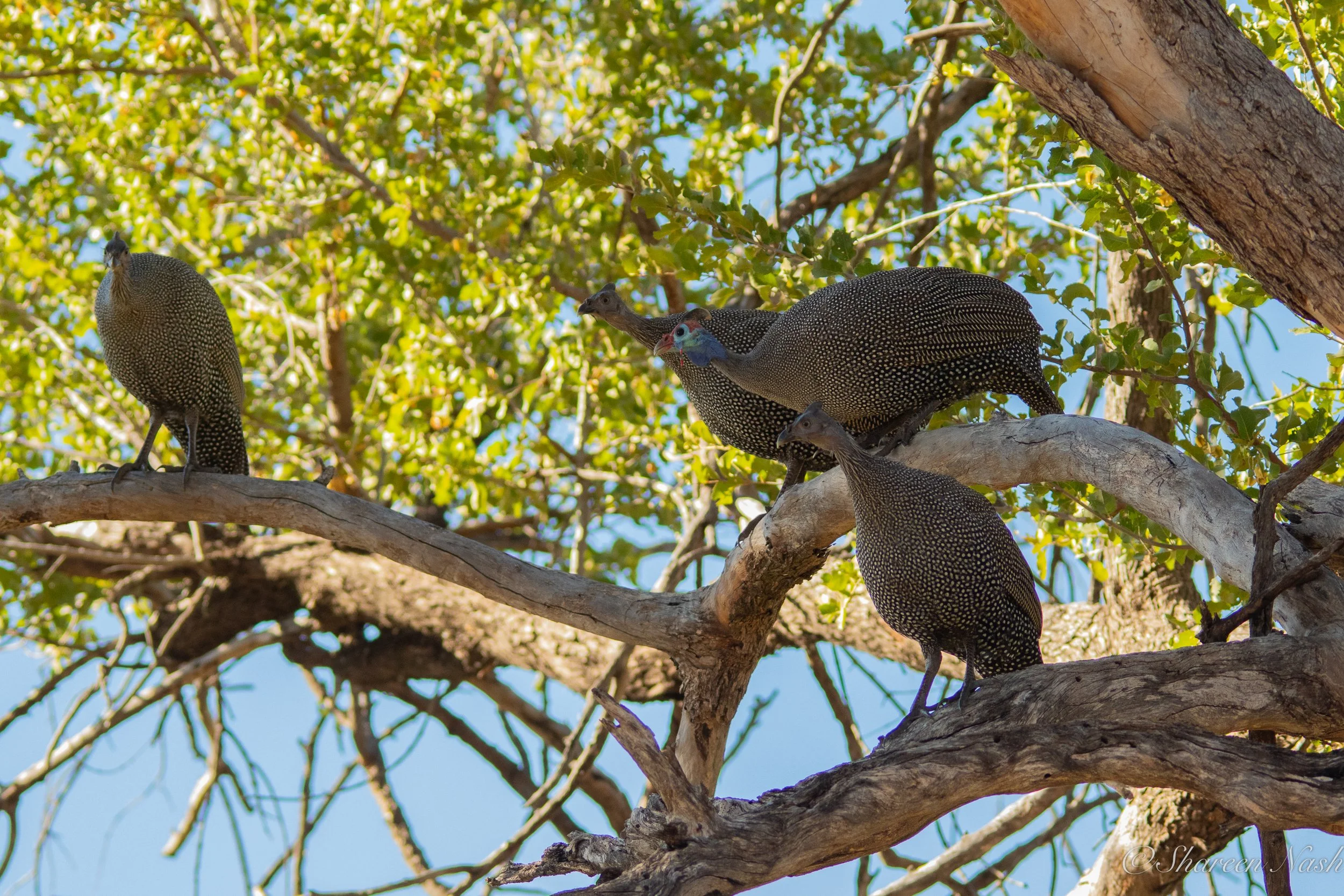
Birding: Birdlife along the river is prolific, in particular during the summer months when the migrants have arrived in force. The African fish eagle screams over the floodplains as storks, herons and egrets patrol the river bank.Kingfishers abound and a number of ornate bee-eaters and rollers add to the kaleidoscope.
Thursday 17th September
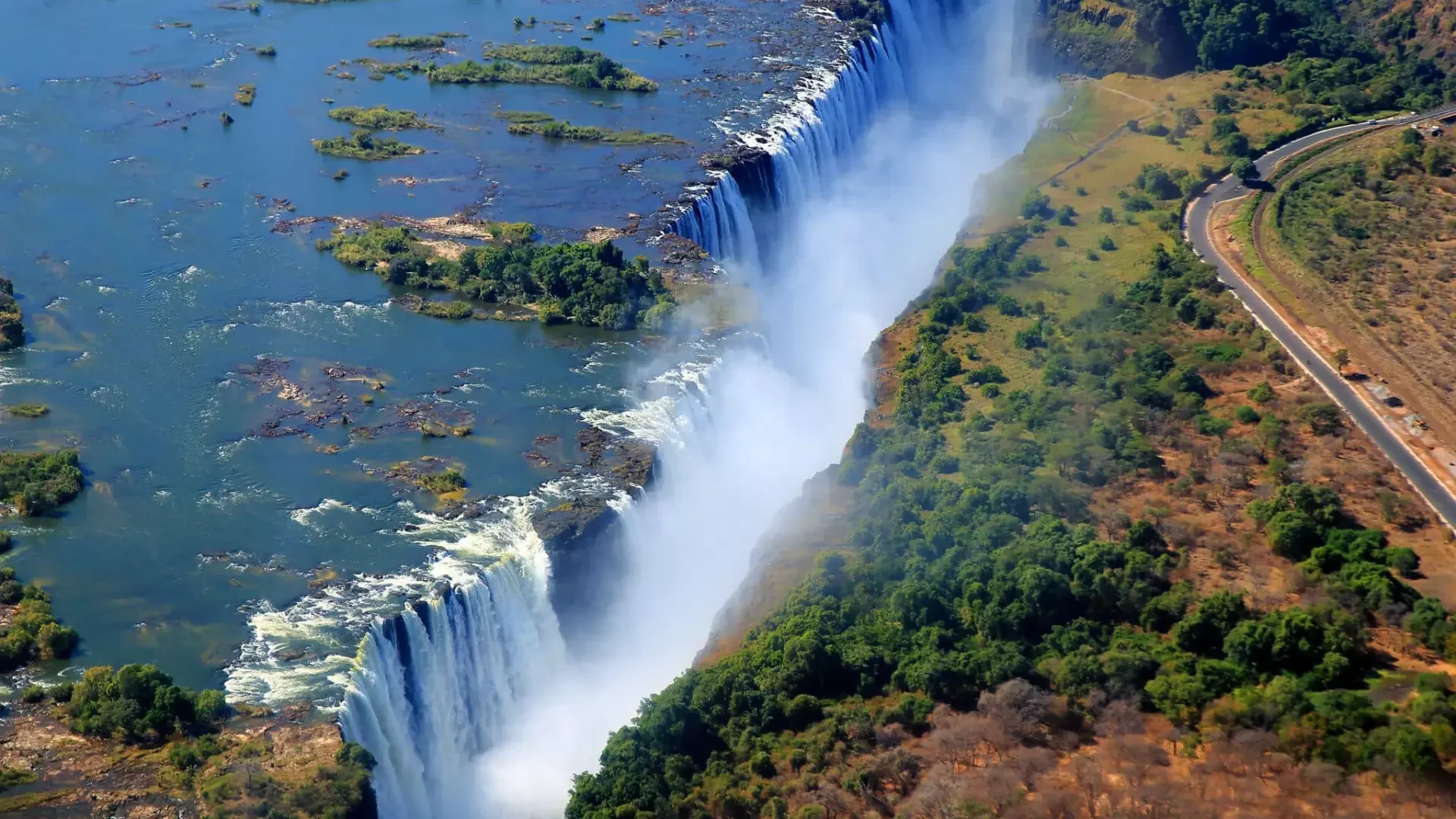
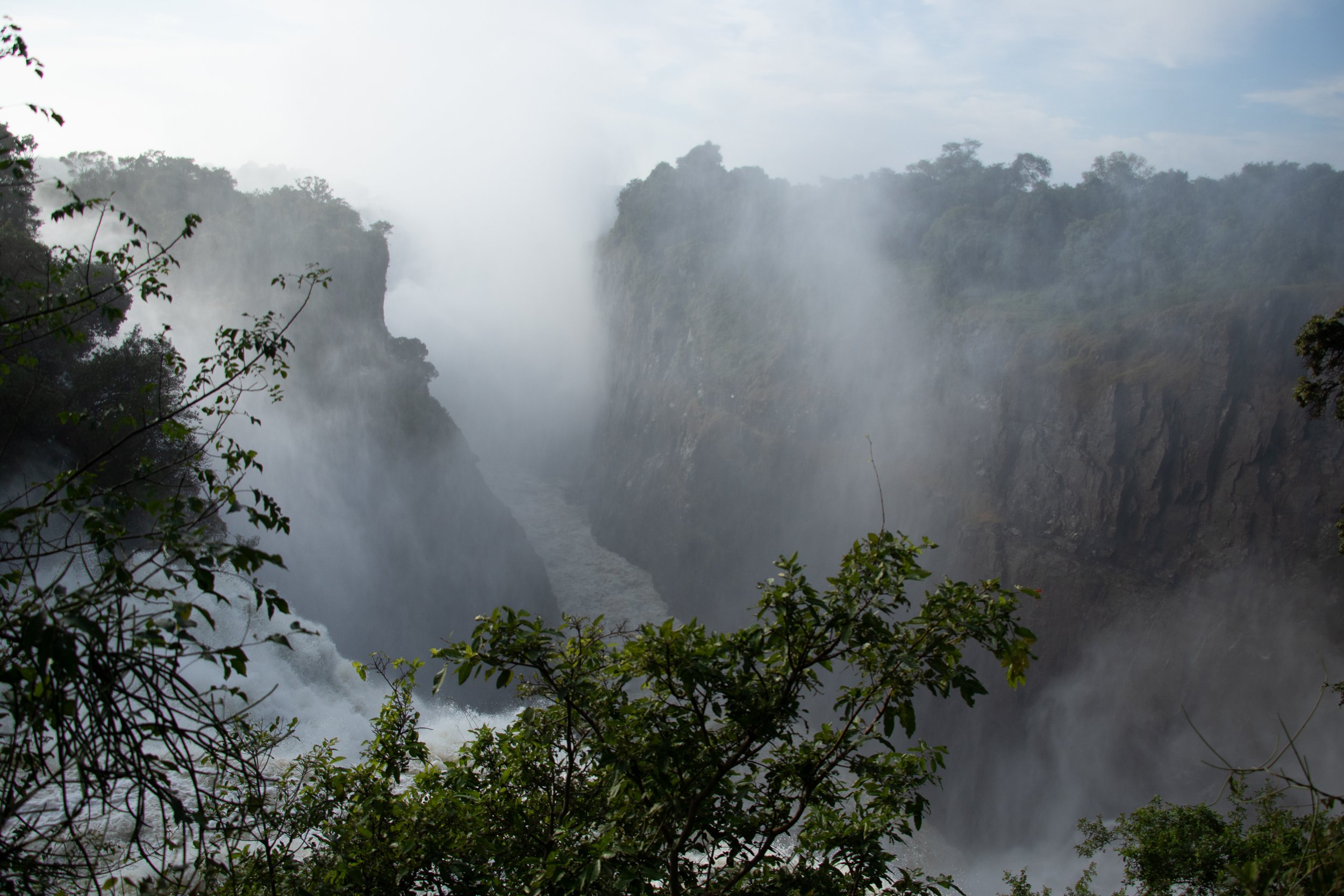
After breakfast, road transfer from CHOBE SAFARI LODGE to your lodge in Victoria Falls, Zimbabwe, crossing the Botswana and Zimbabwe border posts. Visa into Zimbabwe is US$30 per person on arrival (subject to change) and approximate 80km by minibus.
Thursday 17th & Friday 18th September
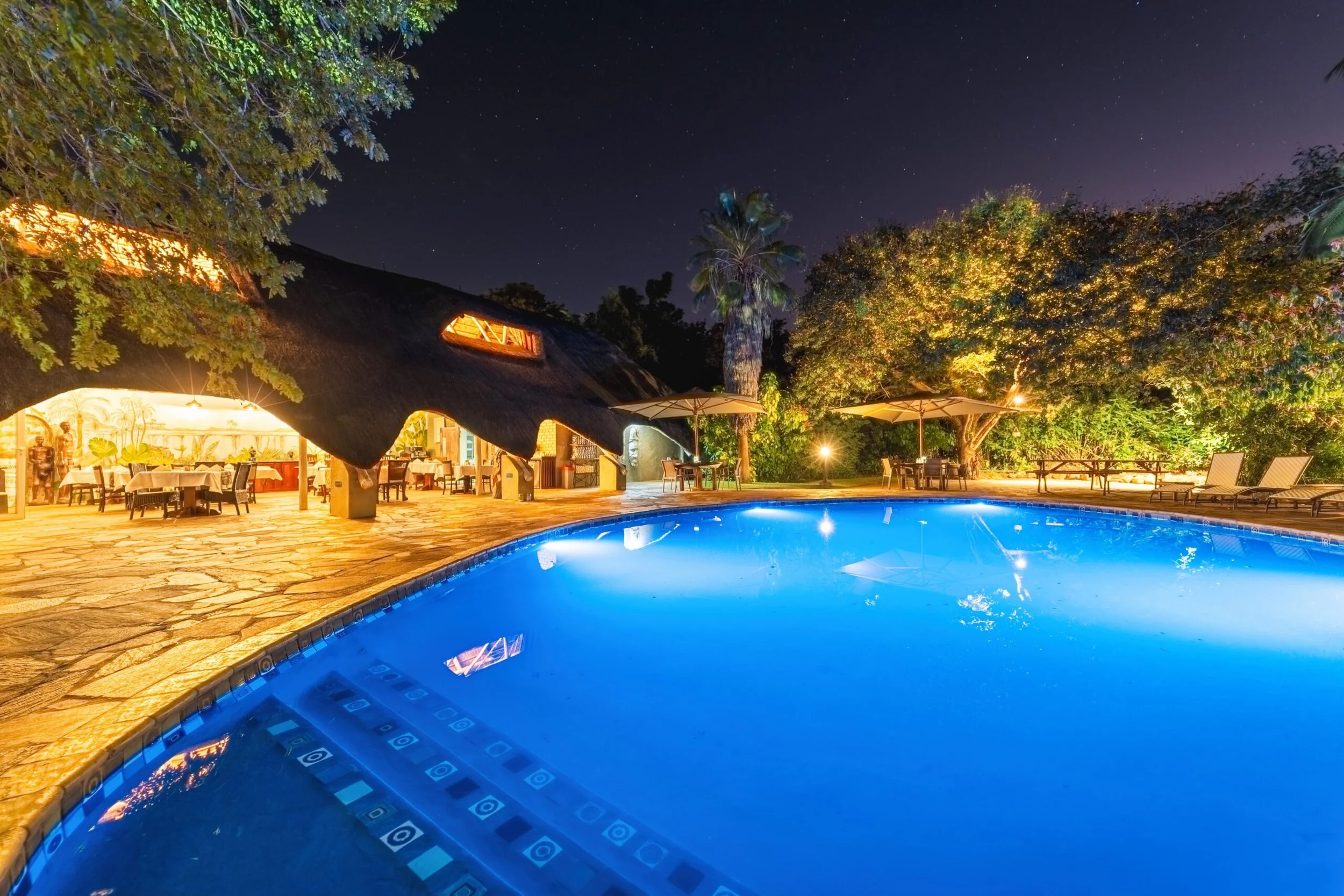
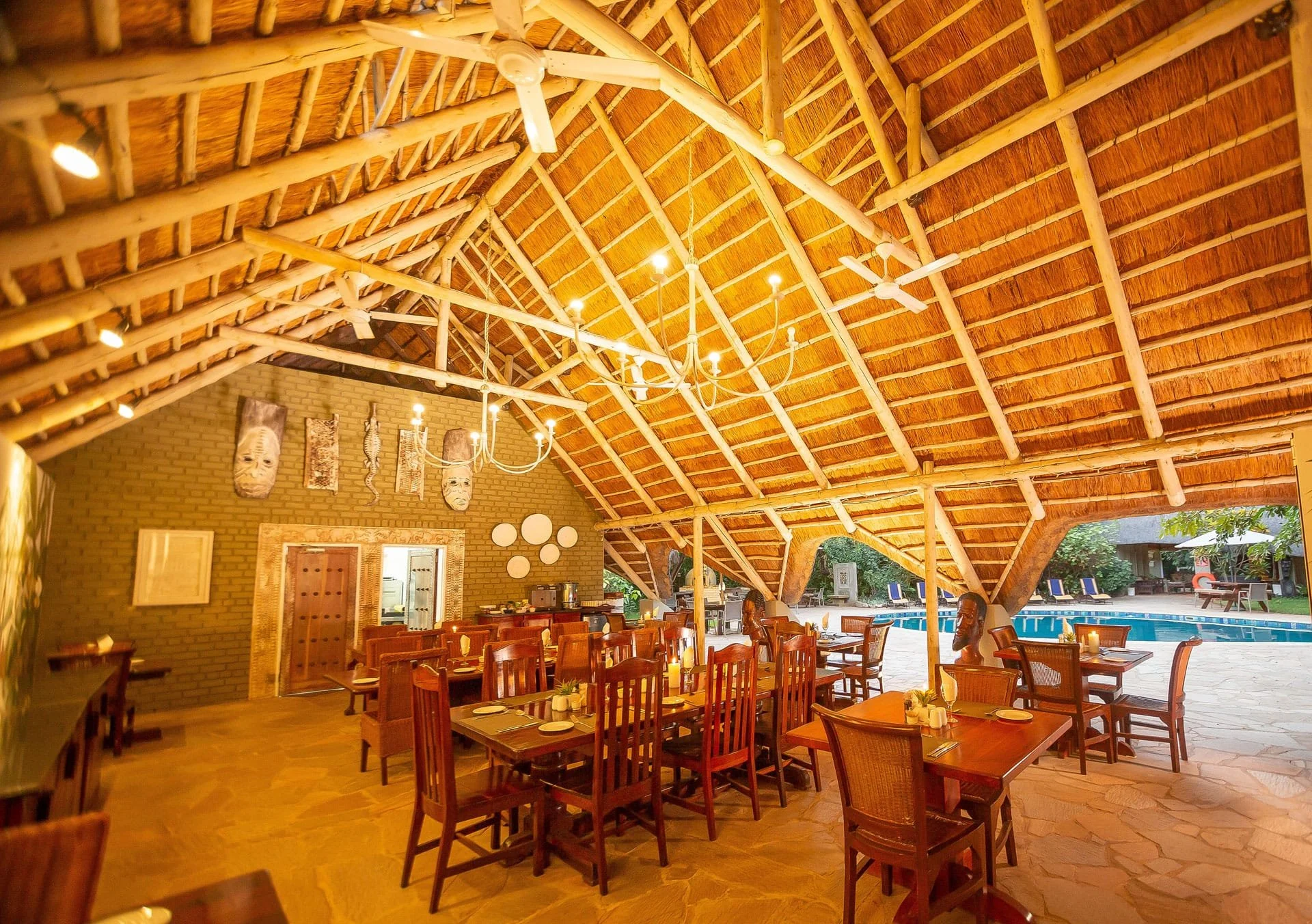
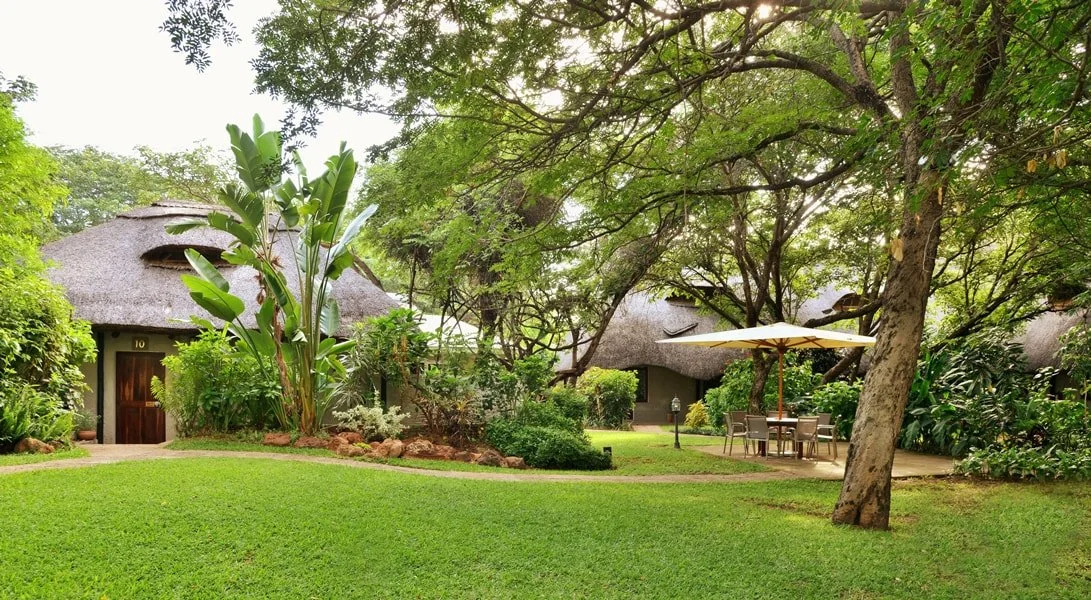
Stay 2 nights at BAYETE GUEST LODGE, Victoria Falls, in the heart of the residential area. Bayete Guest Lodge is a family run lodge which offers 30 rooms set in a lush tropical garden. Central to the lodge is the large teardrop swimming pool, which is hugged by the Dining Boma and Bar. The Tavern is steeped in history and character and is central to the communal area where guests are welcomed to gather, have refreshments and socialise. Bayete Guest Lodge room rates include a Full English Breakfast, which is served every morning in the dining boma. A delicious seasonal menu prepared by our executive chef for lunch and dinner are also available on request, and should be pre-ordered on the day. The Lodge offers a fast fibre-optic wi-fi connection covering all rooms and areas of the lodge which is available to guests free of charge.
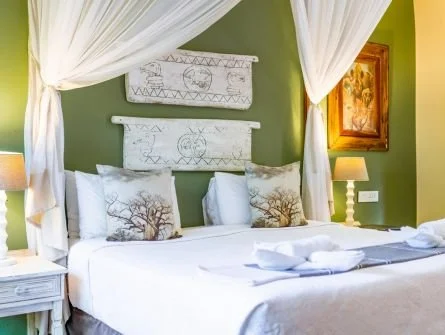
Standard Double Rooms (Bed & Breakfast)
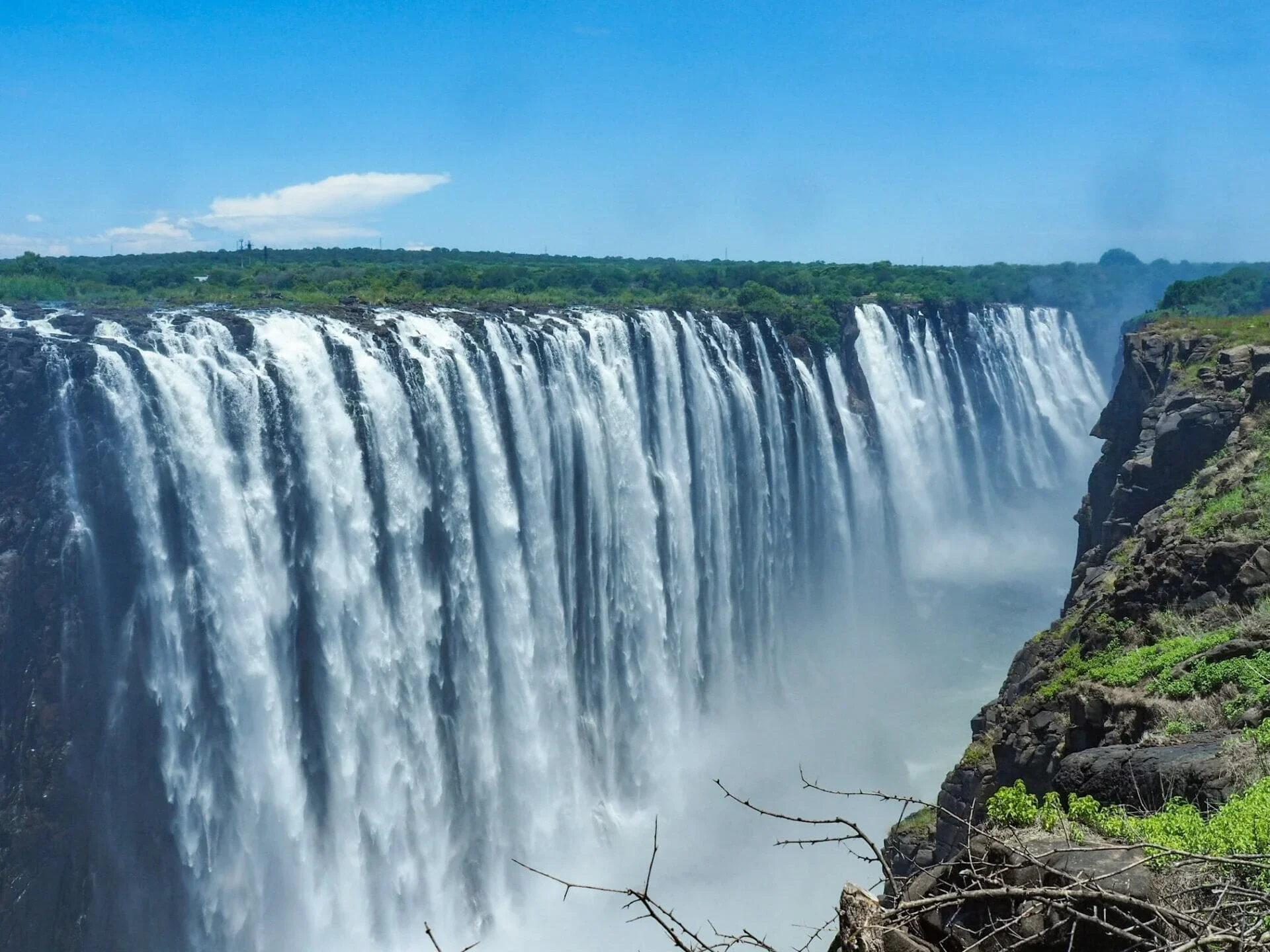
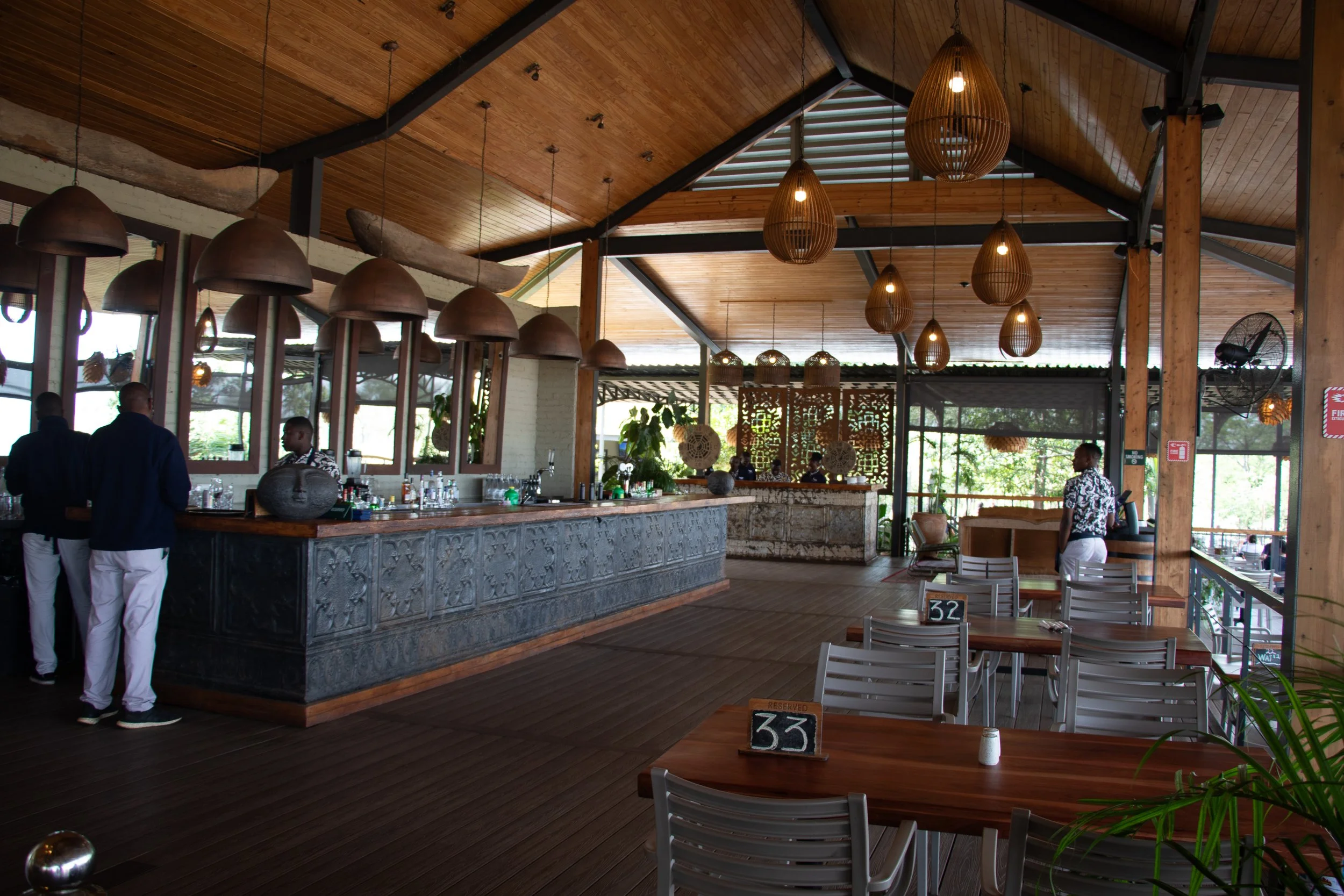
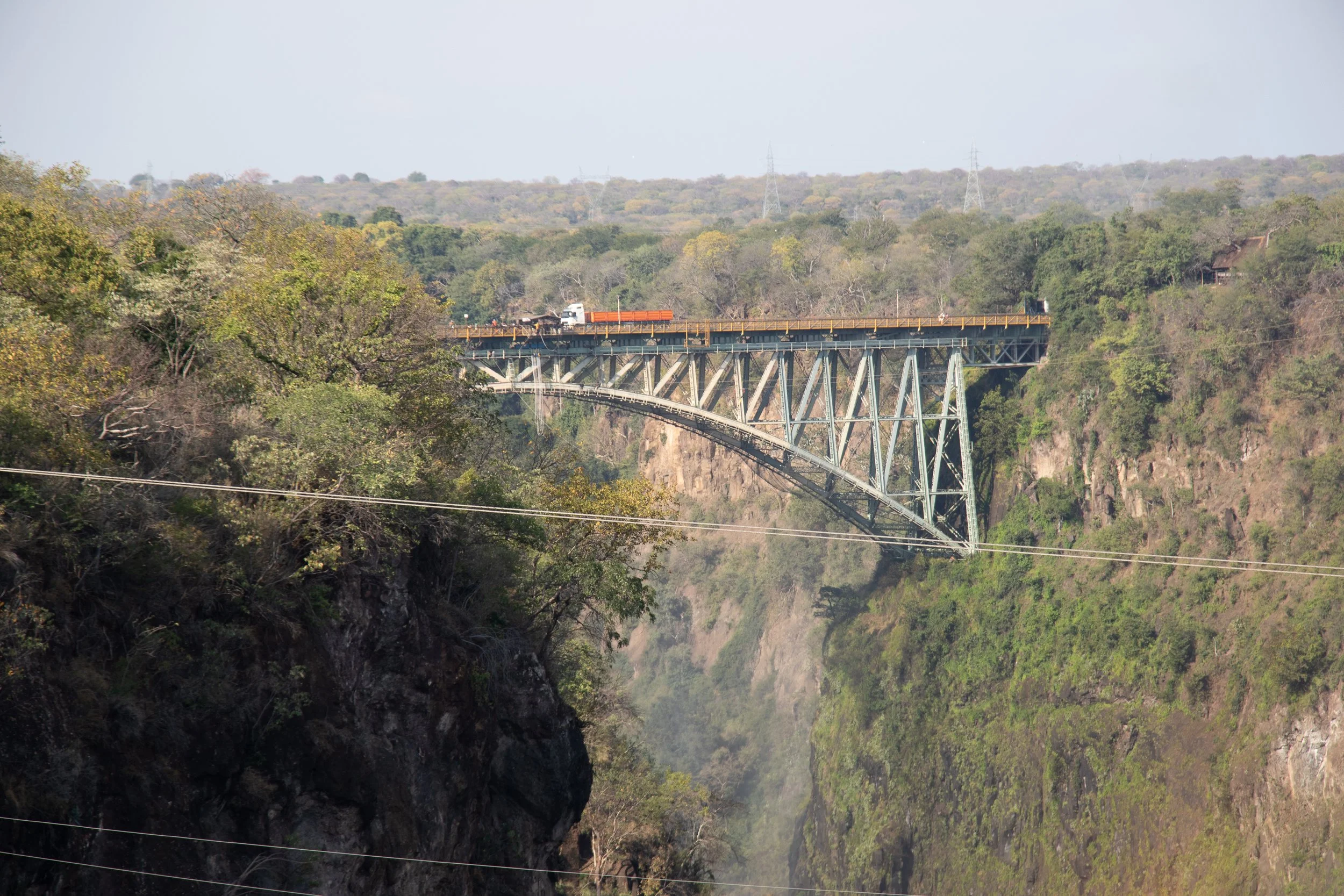
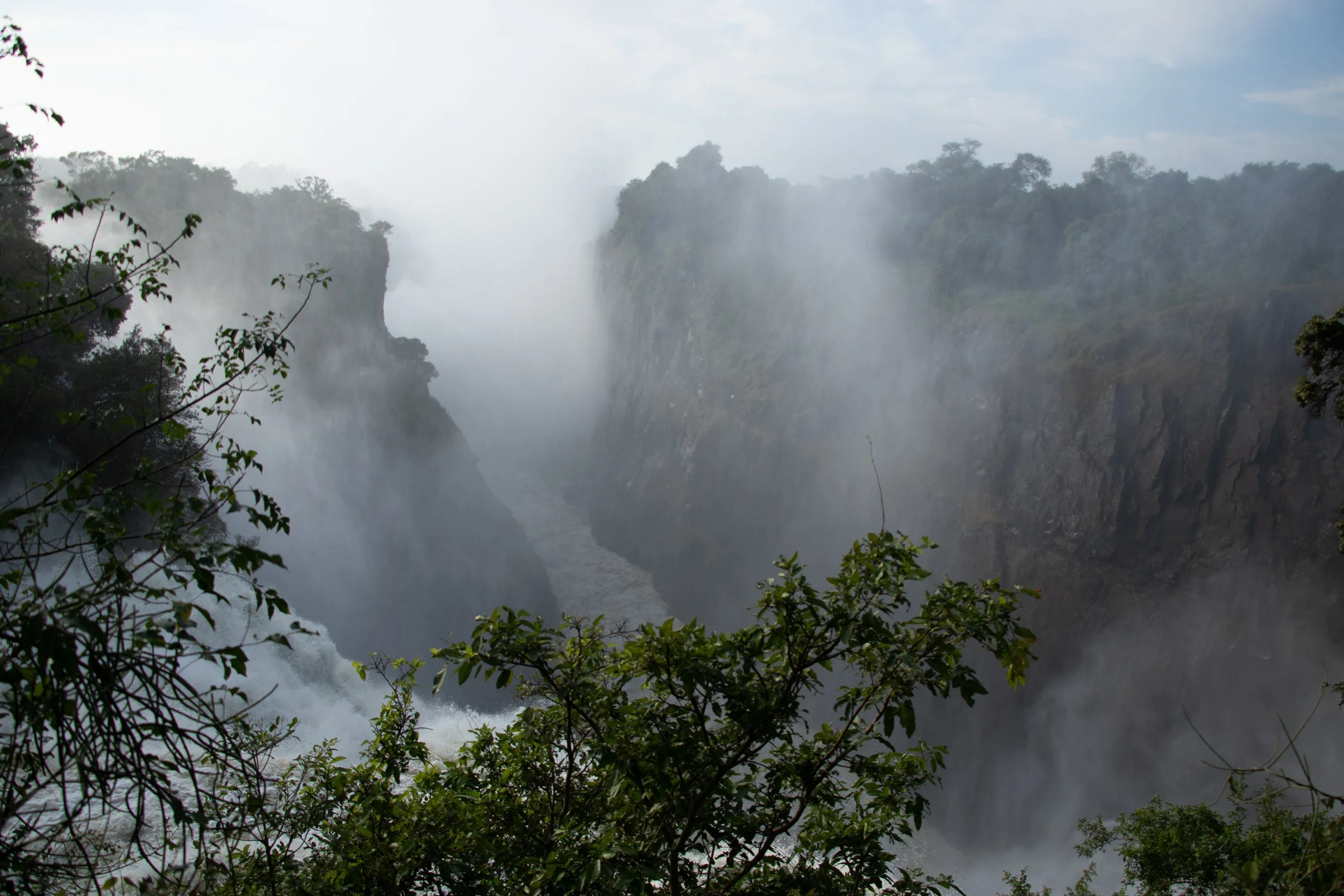
- Included : Tour of Victoria Falls plus Lookout Cafe Lunch (Excludes entry fee to Victoria Falls)
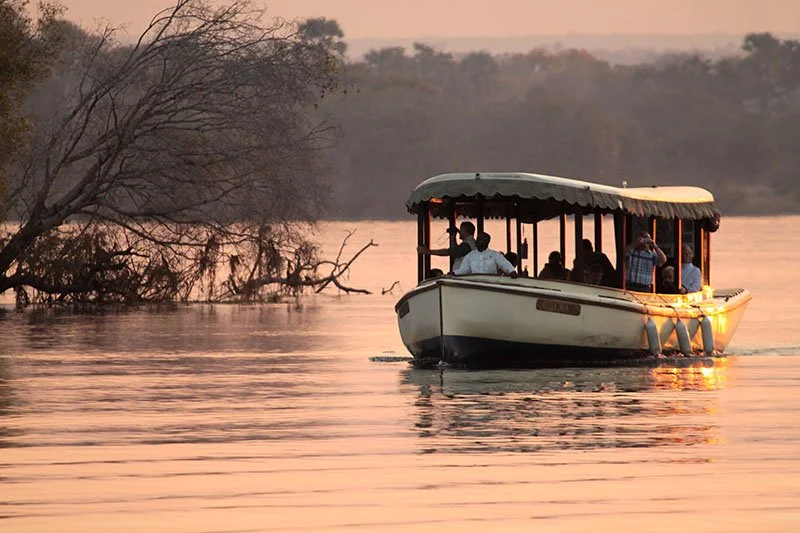
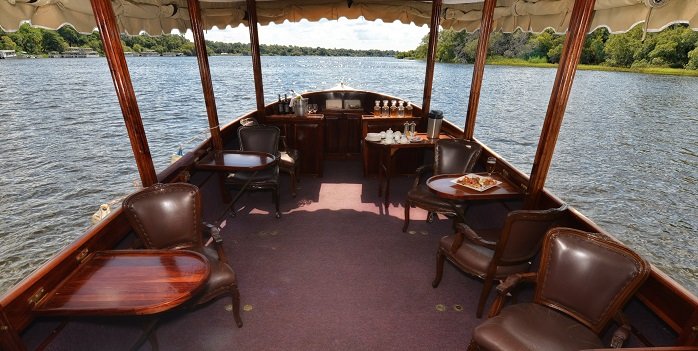
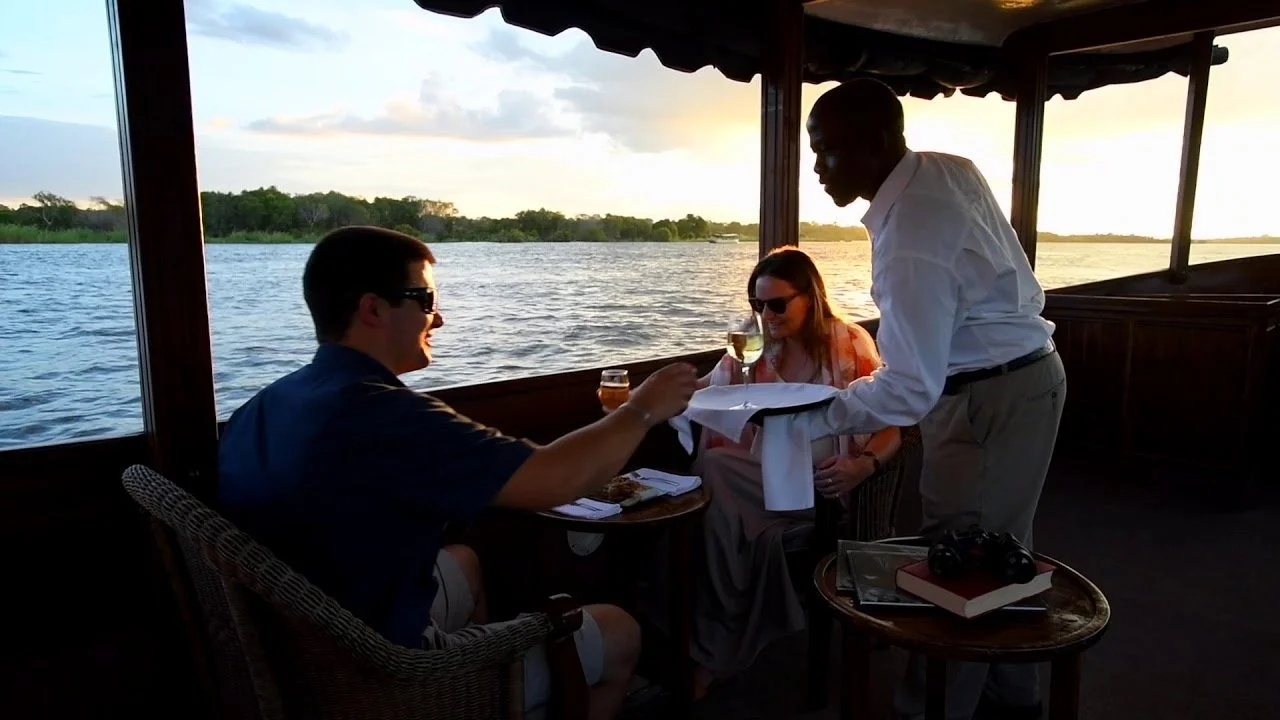
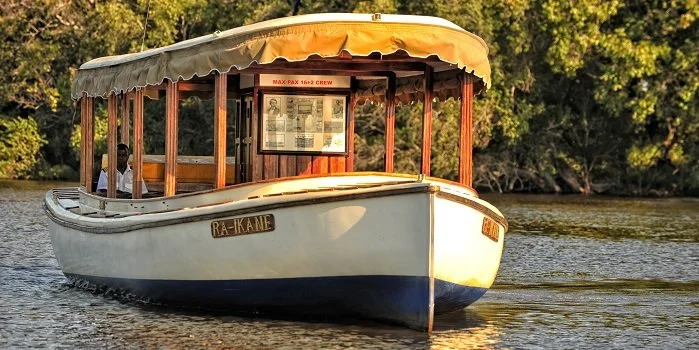
: Sunset River Cruise
Saturday 19th September
After breakfast, transfer to Victoria Falls International Airport for your onward flight.
Cost US$ 7,990.00 per person Twin Share (excl International flights)
US$ 8,460.00 per person Single Room (excl International flights)
(Maximim of 6 guests, plus Shareen)
NB - Only 5 tents available on mobile safari and no Single Supplement - 2 Singles available.
To confirm your participation on this safari a non-refundable deposit of 20% per person (AUD exchange rate confirmed on day of transfer)
Balance due 2 months prior departure.
Any additional activities and/or accommodation can be booked as per your preferences. Please discuss further by phone or email, thanks.
Your Letaka Safari Includes:
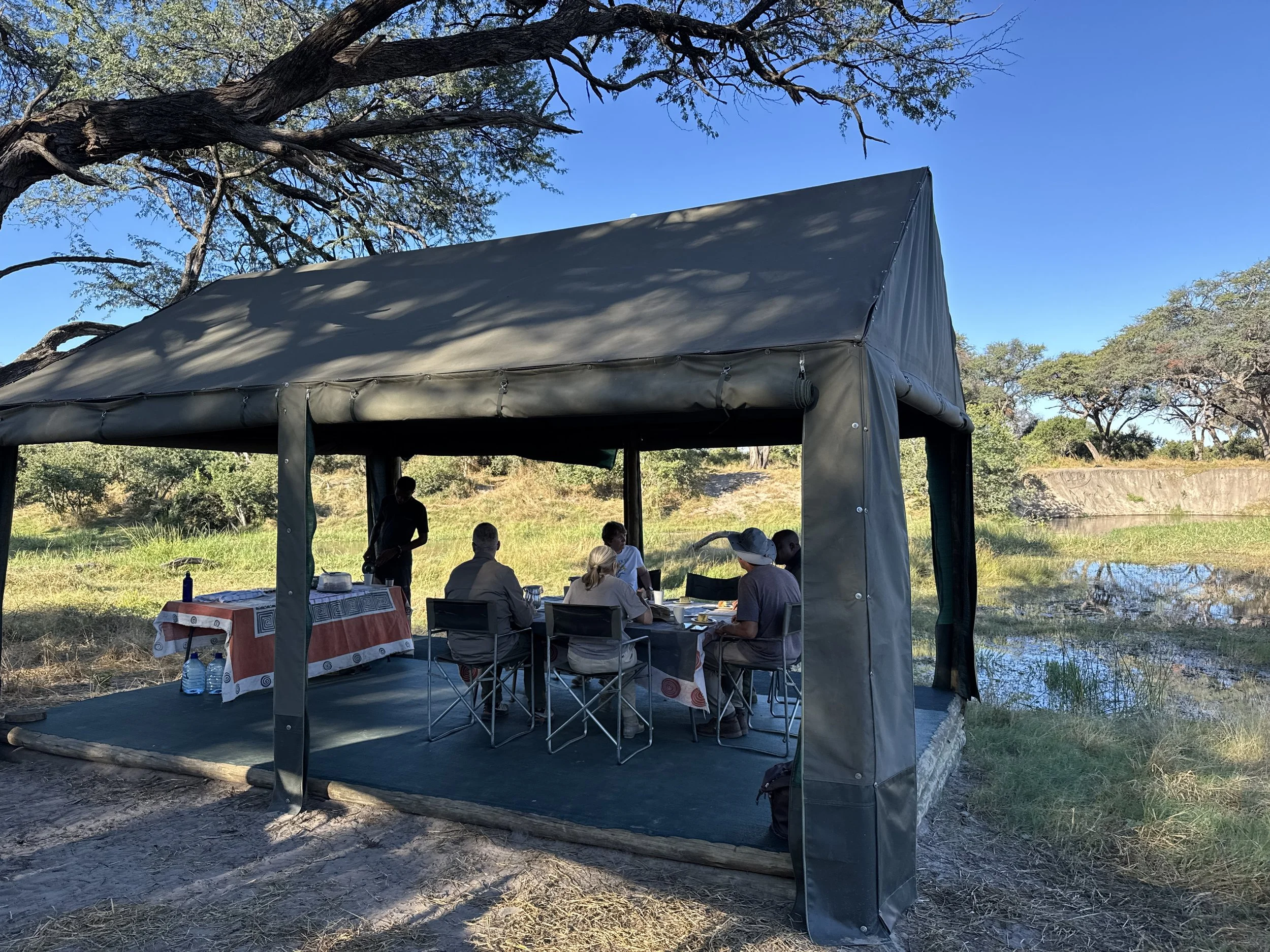
Spacious and comfortable tented accommodation, including beds, bed linen and towels, with a private bathroom en-suite.
Services of a professional guide, safari chef and camp assistants, complete with a supply vehicle.
Game drives and local transfers in customised safari vehicles.
Exclusive camping in private campsites within the national parks and reserves.
All entrance and camping fees within the national parks and reserves.
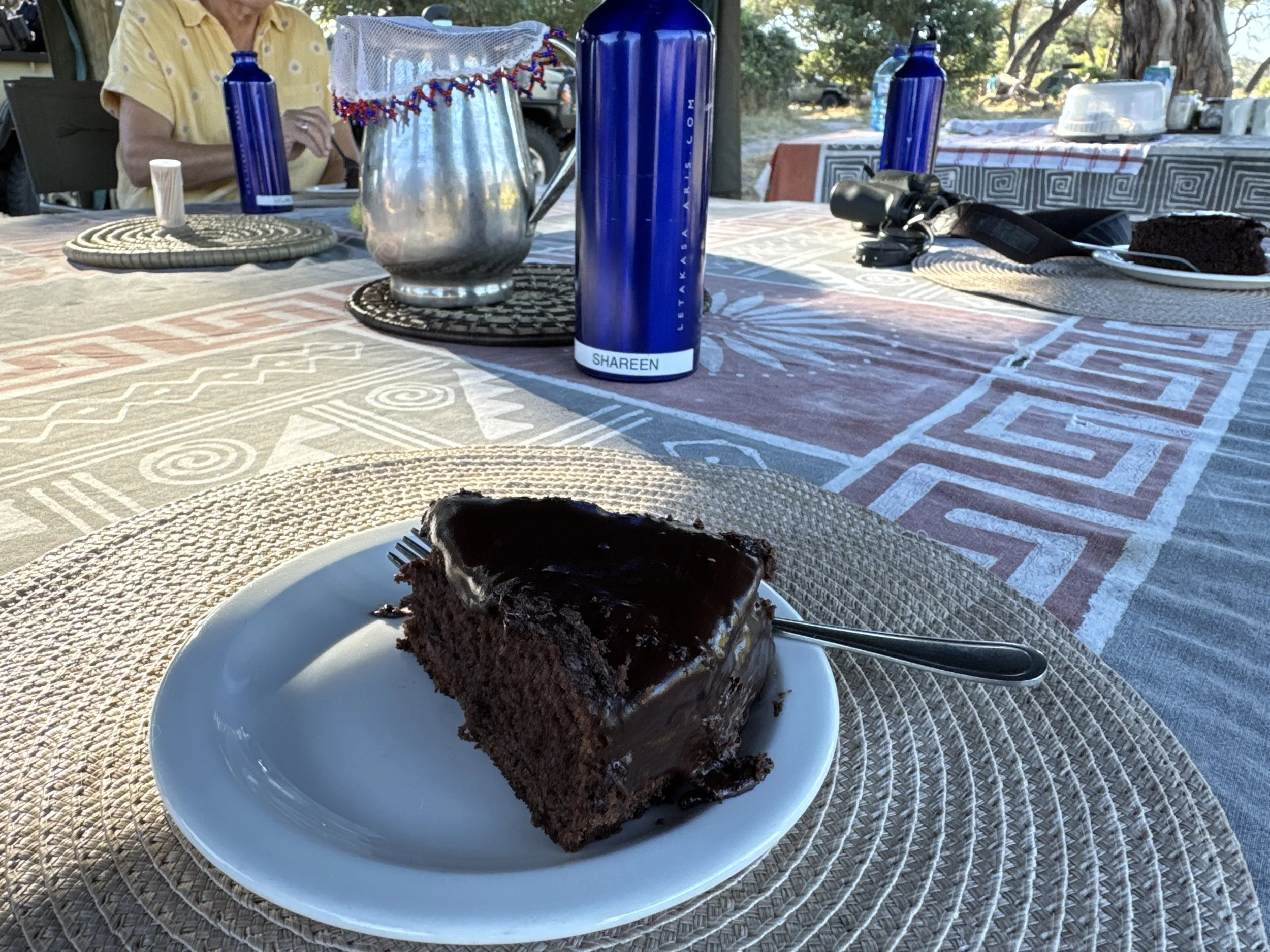
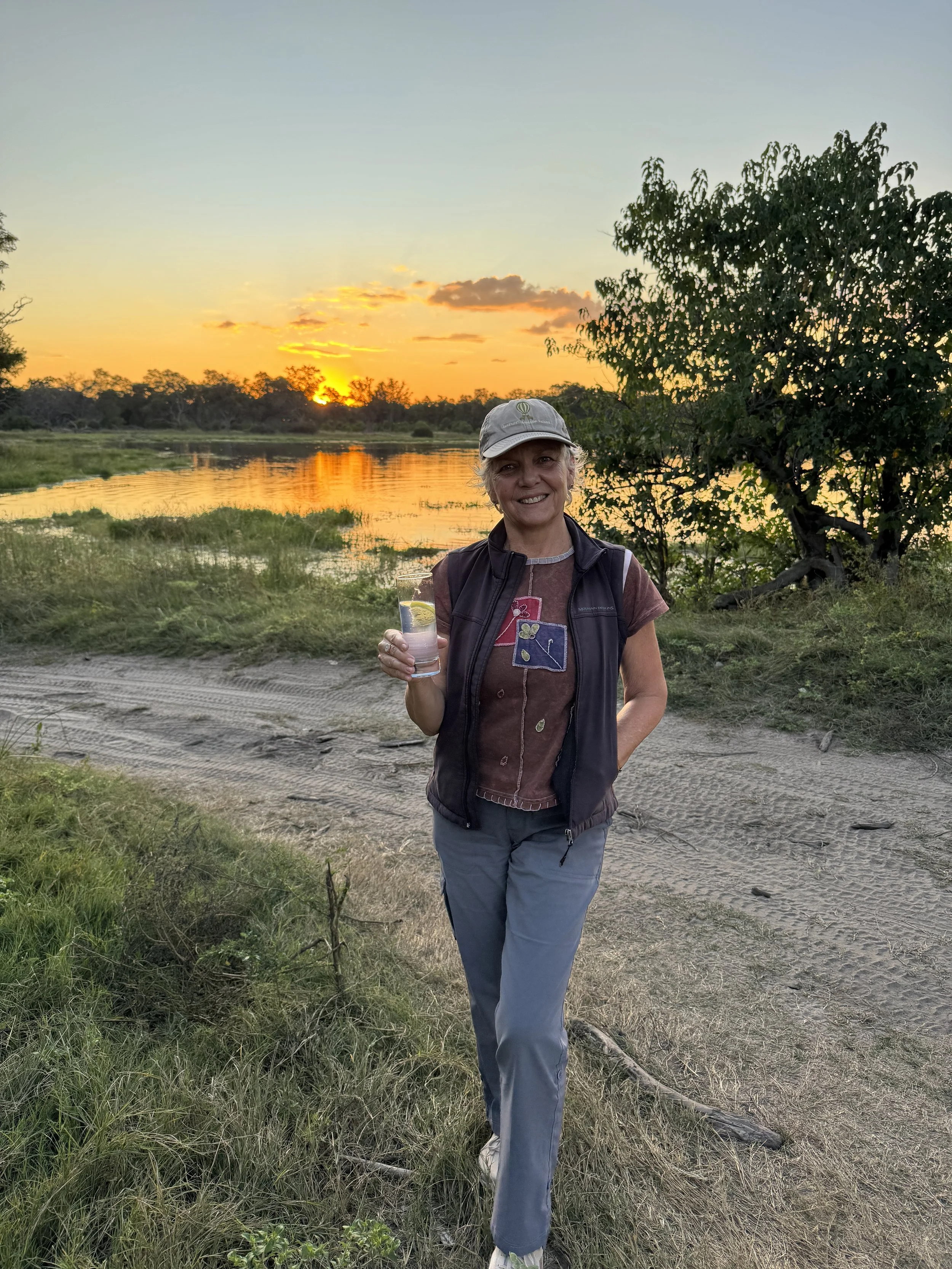
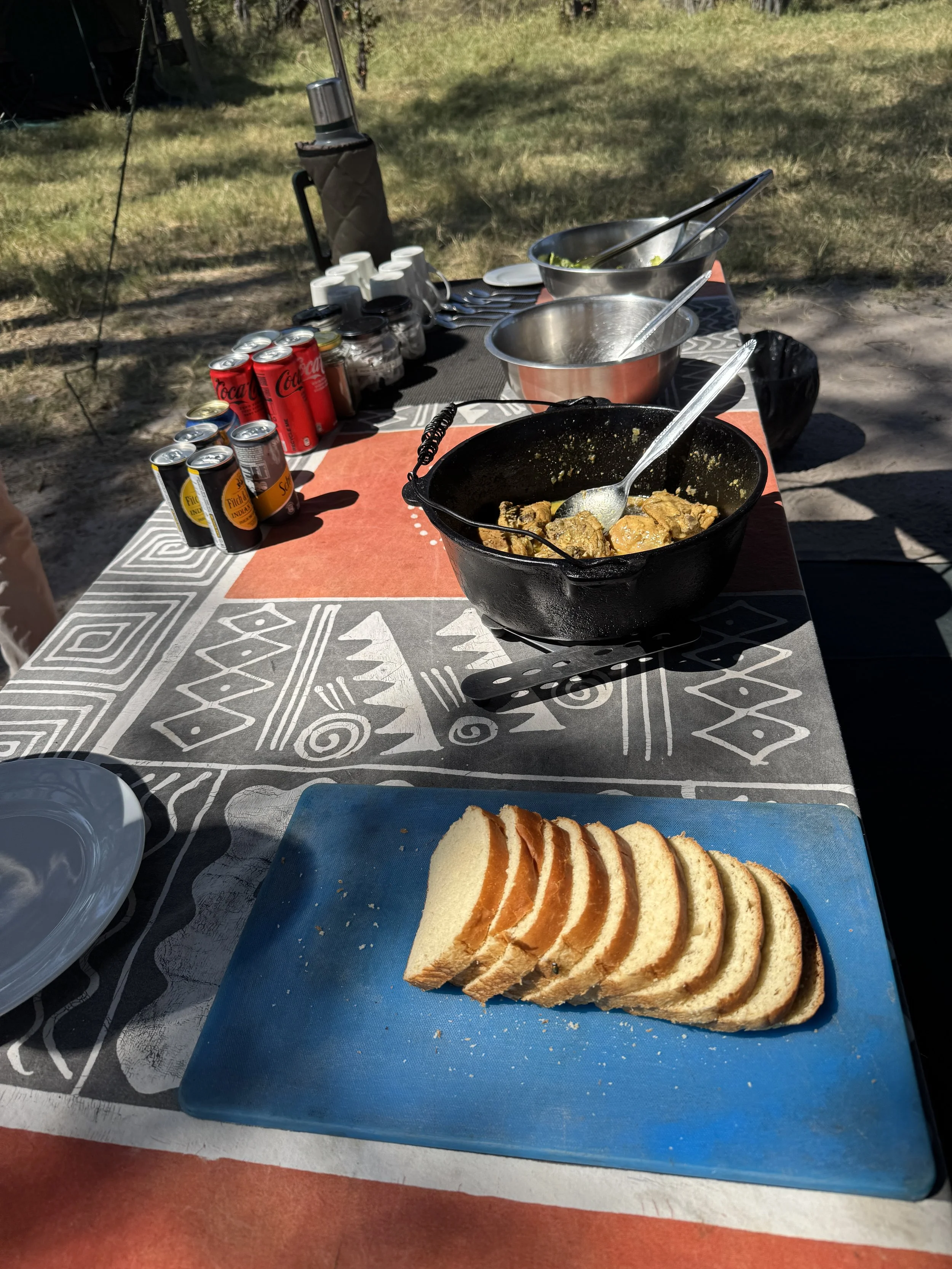
All meals and drinks (filtered water, soft drinks, beer, wine and G&T) whilst in Letaka Tented Camps.
All activities as specified in the itinerary. 14% Value Added Tax
Your Safari Excludes:
International flights.
Travel Insurance.
Items of personal nature.
Staff gratuities.
Optional safari extensions.
Meals and drinks unless specified.
WIFI on the mobile safari and minimal phone network coverage.
Visa fee for Zimbabwe.
Victoria Falls Rainforest entrance fee.
Additional activities in Victoria Falls.
For further information or bookings, please contact Shareen